1,000-Year-Old Mummy Mask with Human Hair Found in Peru
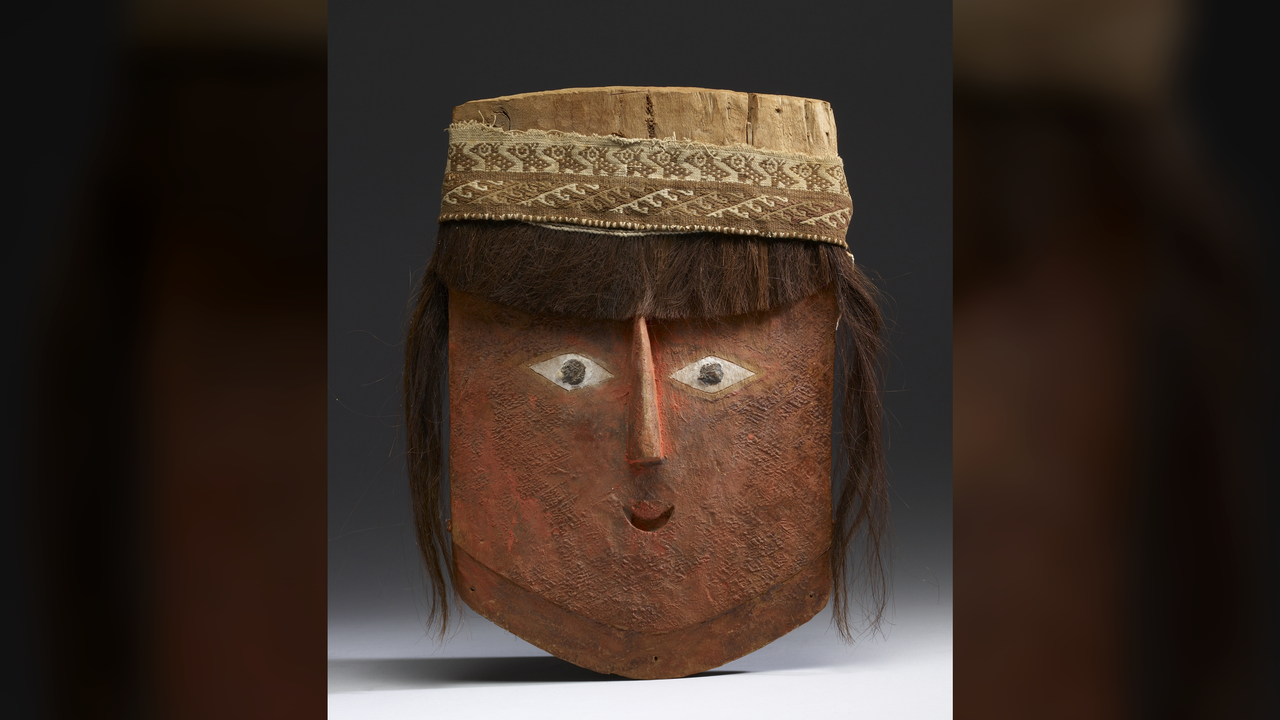
An ancient mummy mask, approximately 1,000 years old, has been discovered in Peru. This artifact, referred to as a 'false head,' was crafted using real human hair and a toxic red pigment known as cinnabar. Such stylized masks were historically used to adorn pre-Inca mummies in Peru centuries ago. The use of human hair and cinnabar highlights the sophisticated, albeit potentially hazardous, materials and techniques employed by ancient Peruvian cultures in their funerary practices. The discovery provides valuable insights into the artistic and ritualistic traditions of these early civilizations.
The discovery of this 1,000-year-old mummy mask, featuring human hair and cinnabar, offers a tangible link to the complex funerary rituals of pre-Inca societies in Peru. The use of toxic cinnabar underscores the cultural significance placed on certain materials, even at the risk of health implications, suggesting a prioritization of symbolic or spiritual value over practical safety. This artifact prompts reflection on how ancient cultures balanced aesthetic expression and ritualistic purpose with the available, and sometimes dangerous, resources. Examining such practices through a modern lens reveals evolving societal understandings of material safety and the enduring human drive for symbolic representation in the face of mortality.
AI-generated to prompt reflection — not editorial opinion, not advice, not a statement of fact. How this works.