10-Year-Old Boy Found Locked in Unsanitary Apartment in Goiânia
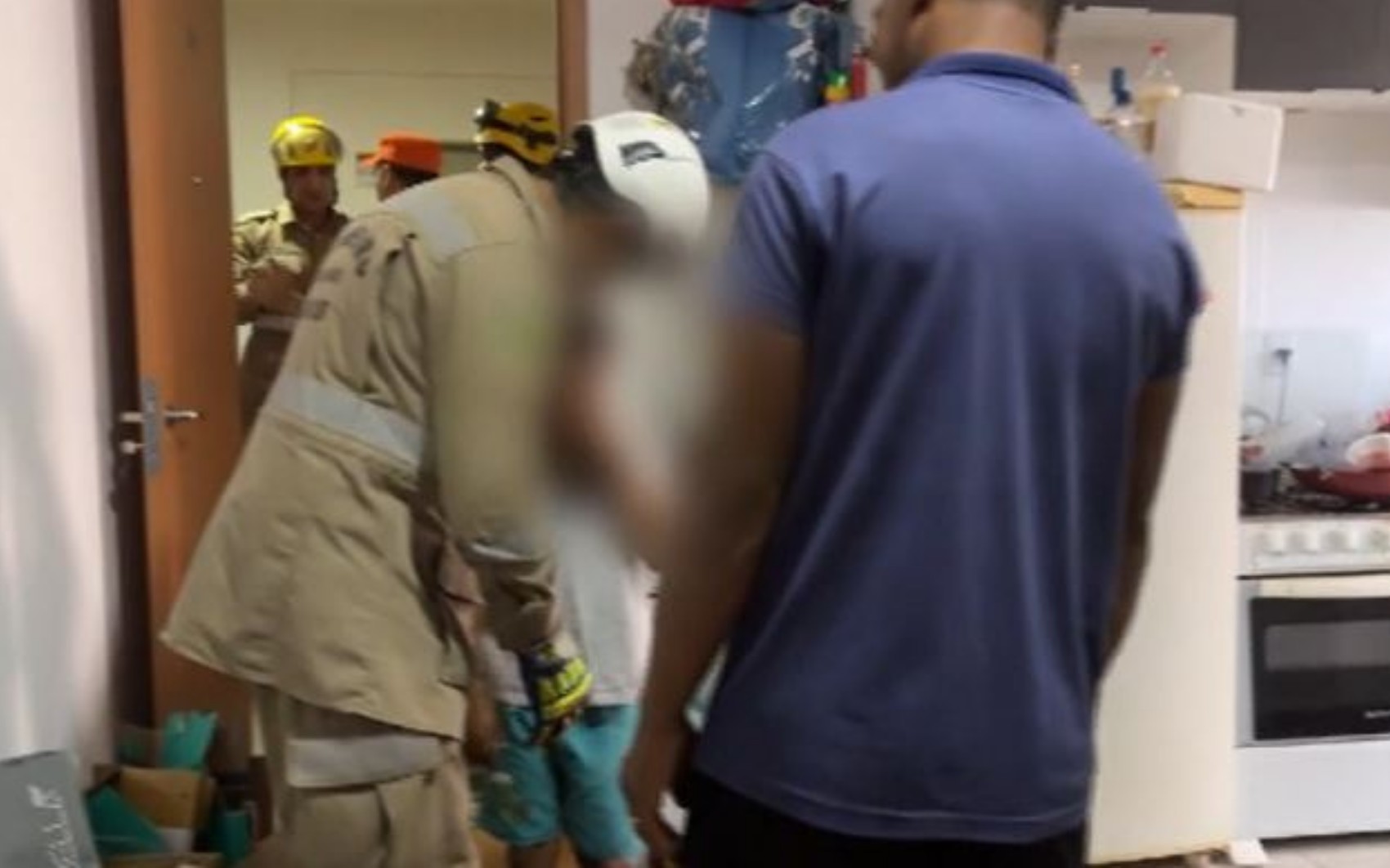
A 10-year-old boy was rescued from an apartment in Goiânia, Brazil, where he had been locked in a room without food or water. Upon rescue, the child, who suffers from diabetes, asked to retrieve his medication, highlighting his critical condition. Conselheiro Tutelar José Roberto Silva described the apartment as unsanitary, with a strong odor, scattered garbage, and bottles of urine. The child's insulin was found in the refrigerator, inaccessible to him. The mother, who was reportedly working at the time of the rescue, has been taken to the police station and is expected to face charges of abandonment of a vulnerable person. The child was found on Thursday, May 9th, in the Setor Faiçalville neighborhood. His diabetes was severely deregulated, with blood glucose levels exceeding 500, leading to his admission to the Intensive Care Unit (ICU) at the State Hospital for Children and Adolescents (Hecad). Images showed the boy communicating through the apartment window, stating he had only eaten cookies provided by a neighbor and urinated in bottles. The mother claimed she locked him in the room to prevent him from overeating due to his diabetes, but authorities found the apartment in a state of extreme disarray, with dirty clothes, rotting food, and sleeping arrangements on the floor. Firefighters and military police were involved in the rescue due to the locked doors of both the apartment and the room.
This incident highlights severe child neglect, raising questions about the adequacy of child protective services and community awareness mechanisms. The mother's actions, while ostensibly related to managing the child's diabetes, resulted in a life-threatening environment, indicating a potential breakdown in parental capacity or understanding of appropriate care. The systemic failure to detect and intervene earlier suggests a need for improved monitoring and support systems for vulnerable families. Moving forward, it is crucial to examine the effectiveness of existing protocols for identifying and addressing such extreme situations, ensuring timely intervention to prevent harm and provide necessary resources for both the child's recovery and the family's rehabilitation, while considering the long-term implications for child welfare in similar socioeconomic contexts.
AI-generated to prompt reflection — not editorial opinion, not advice, not a statement of fact. How this works.