10-Year-Old Boy Rescued on Birthday After Being Locked in Apartment
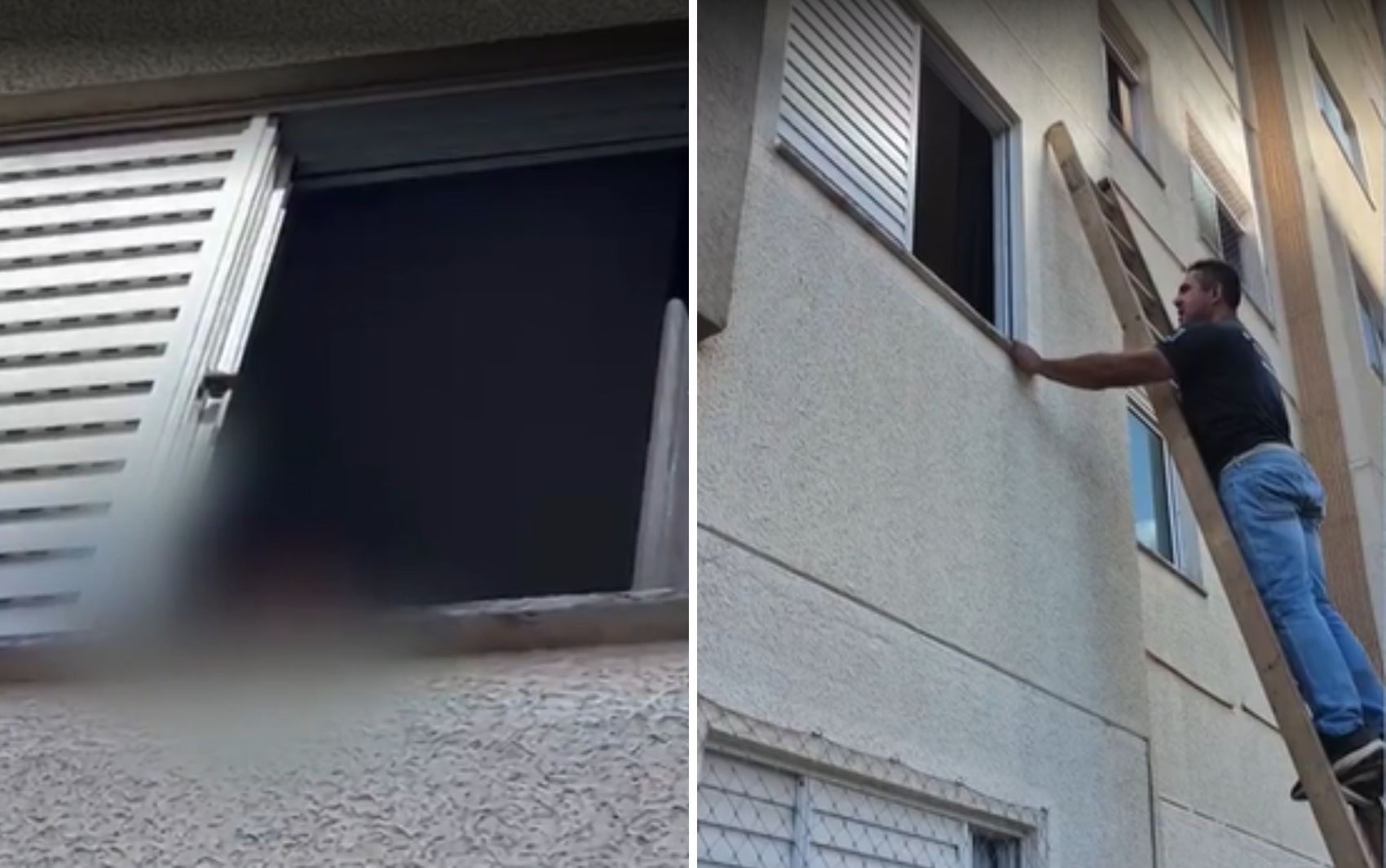
A 10-year-old boy was rescued by child welfare counselors in Goiânia, Brazil, on his birthday after being found alone and locked inside an apartment. Videos show the boy speaking to counselors through a window, stating he had only eaten cookies and was urinating into a bottle due to lack of access to a bathroom. The child welfare board, along with the Fire Department and Military Police, were called to the scene because the apartment and bedroom doors were locked. Upon entry, they found the apartment in disarray, with clothes scattered, a sink full of dishes, and food packaging. The boy, who reportedly has type 1 diabetes, was found in a state of extreme vulnerability. Counselors used a ladder to communicate with the child and provided him with water via a plastic bag tied to a towel. The boy's mother is expected to be charged by Civil Police with abandonment of a dependent. Her identity has not been released, and her defense could not be reached for comment. The incident occurred in a building in the Setor Faiçalville neighborhood.
This incident highlights critical failures in child protective oversight and parental responsibility. The boy's discovery on his birthday, confined and deprived of basic necessities like water, underscores a severe neglect situation. The legal proceedings against the mother for abandonment of a dependent are a necessary step, but the systemic implications warrant further examination. This case raises questions about the effectiveness of community reporting mechanisms and the speed of intervention by authorities when a child is in such evident distress. Future preventative measures could involve enhanced community watch programs and more robust protocols for immediate welfare checks when credible reports of neglect are received, especially concerning vulnerable children with medical conditions like diabetes. The long-term psychological impact on the child also necessitates comprehensive support services.
AI-generated to prompt reflection — not editorial opinion, not advice, not a statement of fact. How this works.