10-Year-Old Brazilian Boy Competes on 400kg Mini Bulls, Dreams of World Championship
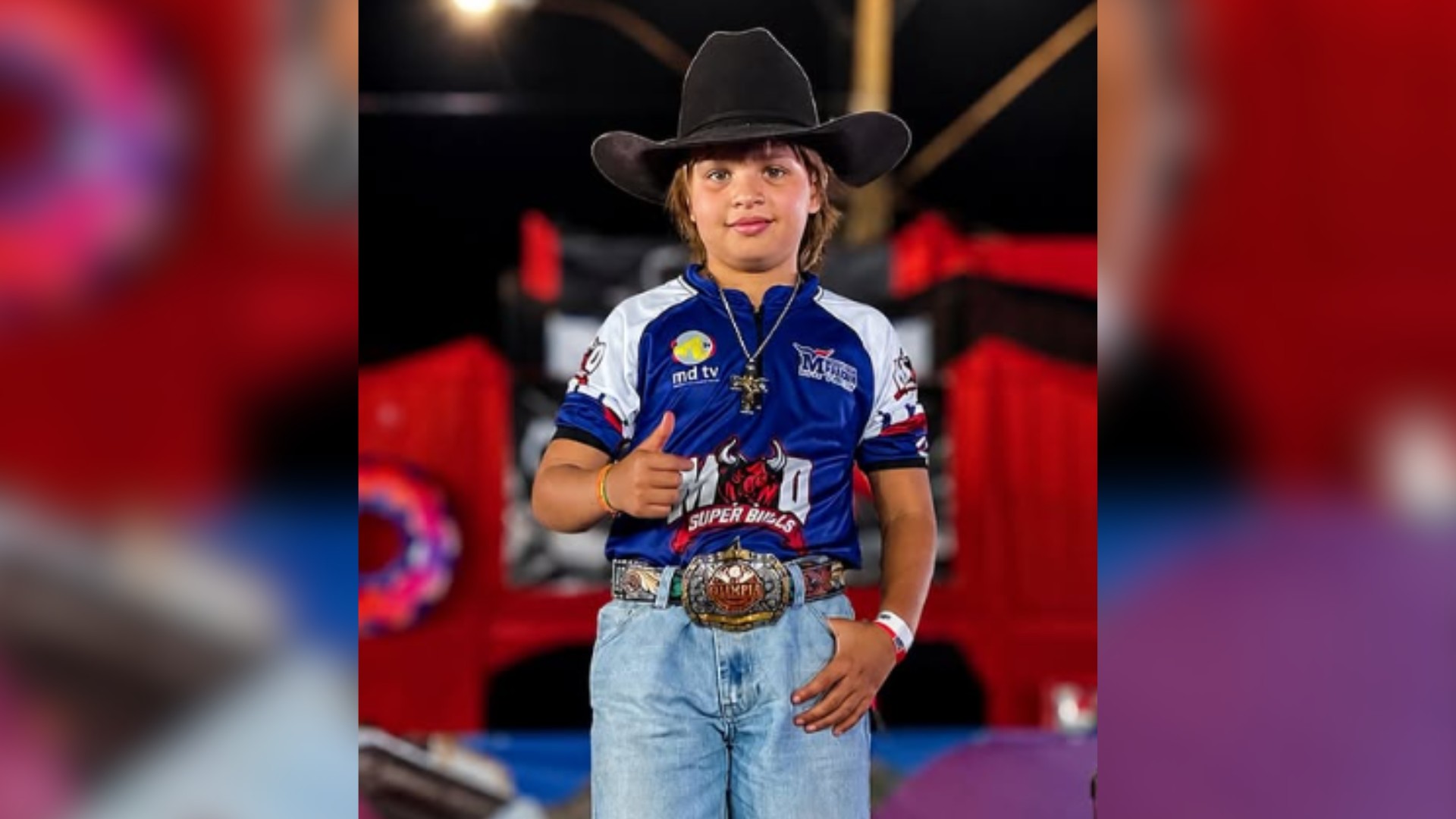
Benjamin Iago, a 10-year-old boy from Olímpia, São Paulo, is pursuing a passion for bull riding, specifically on mini bulls that can weigh up to 400 kg, more than ten times his own weight. While other children play video games, Benjamin dedicates himself to training three times a week, preparing for rodeos across Brazil. His ultimate goal is to compete in the world championship in Las Vegas, USA. Benjamin's journey in rodeo began at age two with a wooden horse, progressing to sheep at four, calves at seven, and now mini bulls. He emphasizes the importance of hard training to make riding feel easier, acknowledging the strength of these animals despite their size. His father, Iago Gouveia de Mello, noticed Benjamin's talent and courage early on, supporting his son's aspirations. Benjamin balances his schooling with rigorous training, sometimes practicing balance and posture on a makeshift 'tin bull' at home when he cannot reach the training site. Safety is paramount, with his father ensuring he rides animals appropriate for his size and uses all necessary protective gear. The family's home reflects Benjamin's dedication, with rodeo memorabilia filling his room. The article also mentions the Rio Preto Country Bulls event, where Benjamin was scheduled to compete, featuring musical performances by Leonardo and Panda, and the finals of the Professional Bull Riders (PBR) competition.
This narrative highlights the dedication and ambition of a young athlete in a high-risk sport, showcasing the early development of specialized skills and aspirations. The focus on rigorous training from a young age, coupled with family support and a clear long-term goal, presents a compelling picture of youthful determination. From a systemic perspective, the increasing professionalization and commercialization of youth sports, even in niche disciplines like mini bull riding, raise questions about long-term physical and psychological development, as well as the role of early specialization versus broader childhood experiences. The emphasis on safety protocols, while crucial, operates within a framework that inherently involves significant risk, prompting consideration of evolving safety standards and age-appropriate competition guidelines in the context of future athletic development and participant well-being.
AI-generated to prompt reflection — not editorial opinion, not advice, not a statement of fact. How this works.