10-Year-Old Diabetic Boy Found Locked in Apartment, Now in ICU
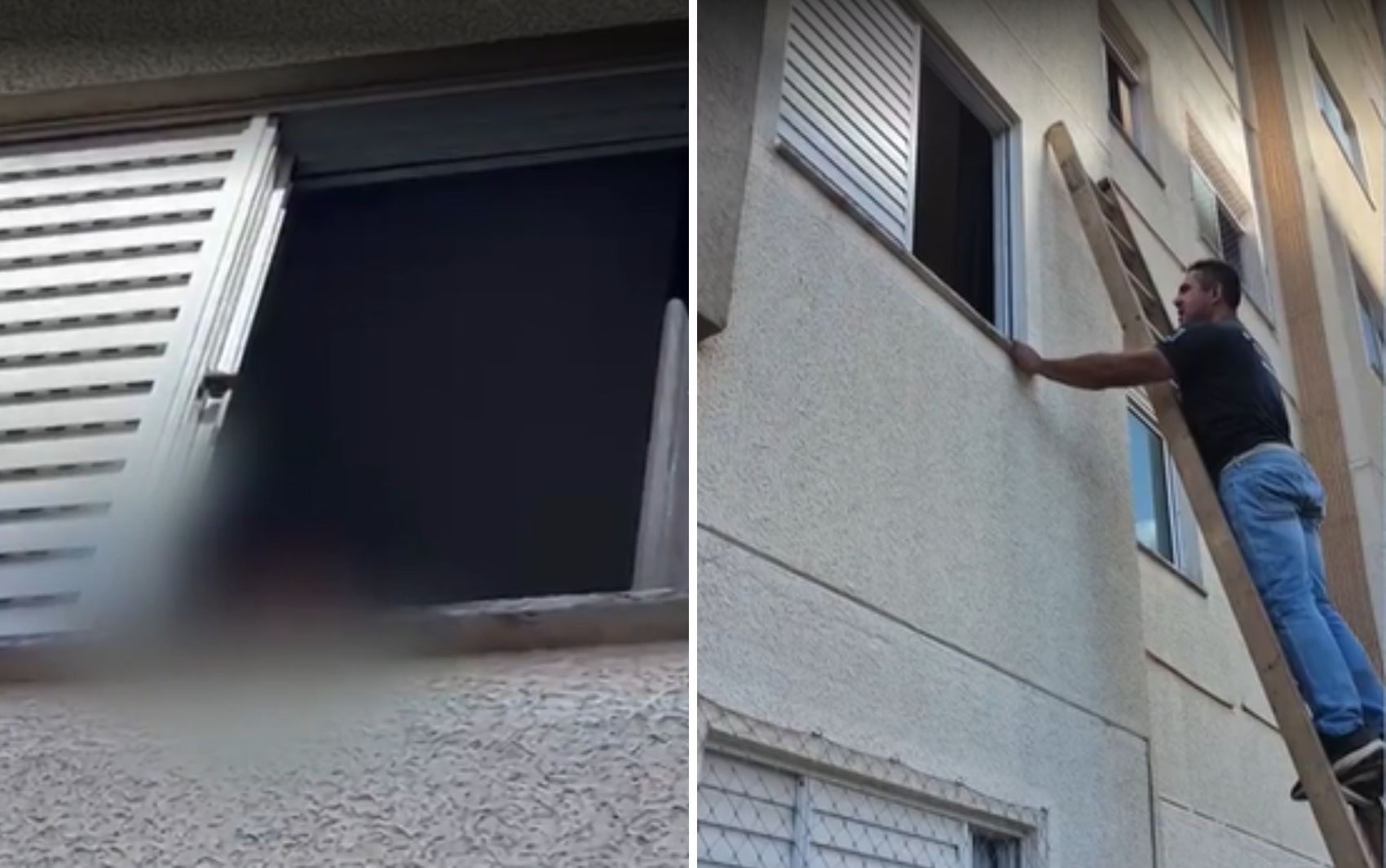
A 10-year-old boy in Goiânia, Brazil, was found locked inside an apartment without food or water and is currently in the Intensive Care Unit (ICU) at the State Hospital for Children and Adolescents (Hecad). The child, who suffers from diabetes, was reportedly debilitated with dangerously high blood sugar levels, exceeding 500. He was discovered on Thursday, May 9th, his tenth birthday, in a Setor Faiçalville apartment. According to a child welfare counselor, José Roberto Silva, the boy had only eaten crackers provided by a neighbor and resorted to urinating in a bottle. The apartment was found in disarray, with scattered dirty clothes, trash, and rotting food. Firefighters and military police were called to the scene as both the apartment and bedroom doors were locked. The boy's mother, who was at work during the rescue, has been taken to the police station and is expected to face charges of abandoning a dependent. She reportedly stated she locked her son in the room to prevent him from overeating due to his diabetes, fearing it could make him ill. The mother also mentioned the boy usually lives with his grandmother and was only temporarily at her residence, which explained the state of the apartment.
The incident highlights critical failures in child protective services and parental responsibility, particularly concerning a child with a chronic health condition like diabetes. The mother's actions, while potentially stemming from a misguided attempt to manage her son's diabetes, resulted in severe neglect and endangerment. This situation underscores the need for robust community support systems and accessible resources for parents facing challenges, especially those managing complex health needs of their children. Future interventions should focus on proactive education and support for guardians, alongside stringent oversight to prevent such extreme neglect, considering the long-term implications for the child's physical and psychological well-being in an increasingly complex societal landscape.
AI-generated to prompt reflection — not editorial opinion, not advice, not a statement of fact. How this works.