103-Year-Old Voter in Minas Gerais Remains Committed to Elections
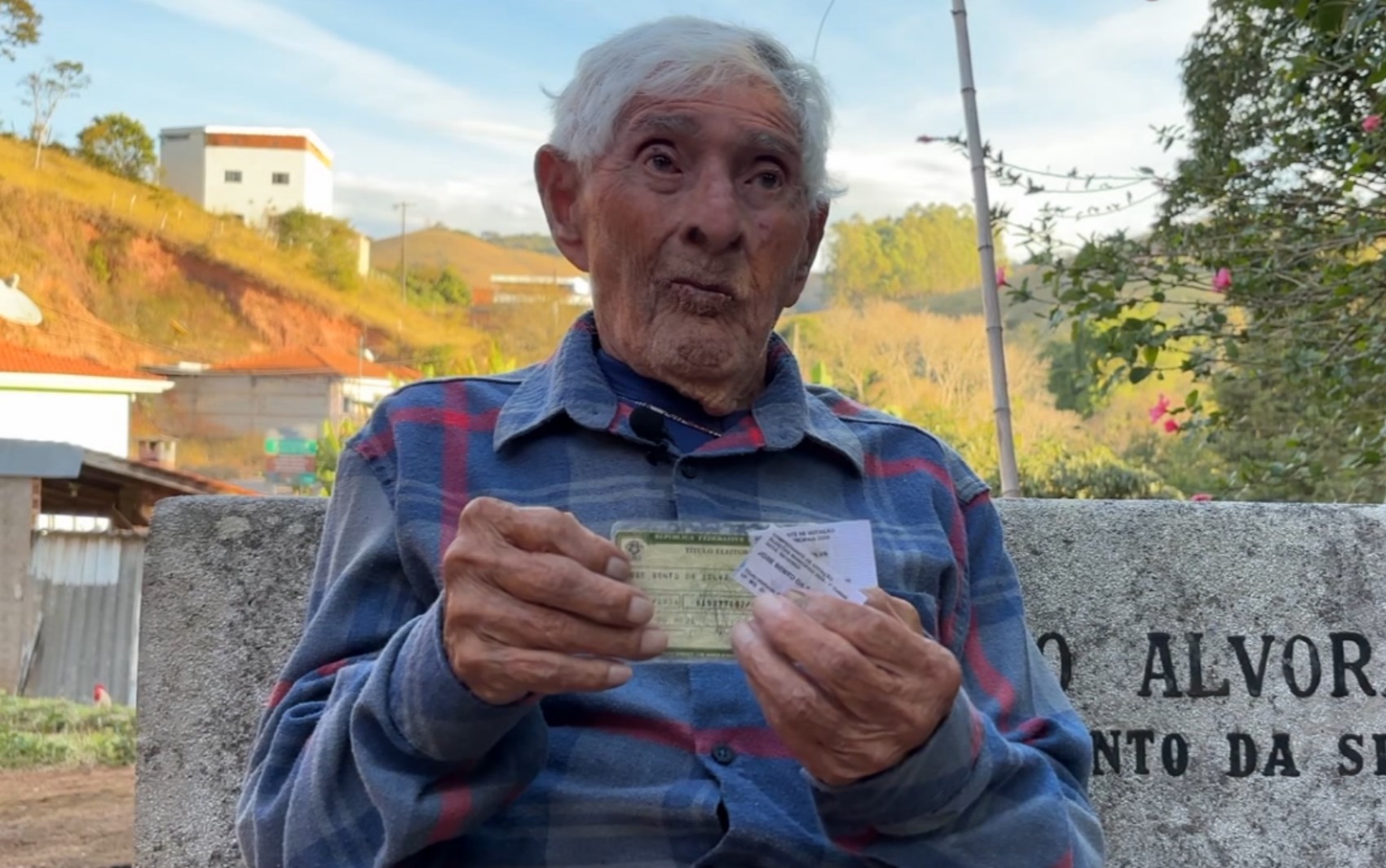
José Bento da Silva, a 103-year-old resident of Tocos do Mogi in Southern Minas Gerais, Brazil, plans to vote in the upcoming elections, emphasizing his belief that "if you are alive, you have to vote." Although voting is optional for individuals aged 70 and above, Seu José, as he is known, sees his vote as a crucial civic duty. In his youth, he was actively involved in politics in Borda da Mata and Tocos do Mogi, even serving as a councilman in both municipalities. His dedication to democracy has inspired his children, grandchildren, and other relatives to participate in civic life, either as candidates or voters. His grandson, Vitor Alves de Mira, notes that Seu José continues to follow national political debates on television and considers his grandfather a role model for his family and community, highlighting the importance of democratic participation. According to data from the Superior Electoral Court, Southern Minas Gerais has over 8,000 voters aged 100 or older. Sociologist Isaías Paschoal suggests that the strong participation of older voters stems from their perception of their vote's importance and the historical tradition of elections being a festive occasion in Brazil since the 19th century. Seu José remains determined to exercise his right to vote, expressing his hope to participate as long as he is alive.
This narrative highlights the enduring civic engagement of an elderly Brazilian voter, underscoring the personal significance of democratic participation across generations. The story implicitly contrasts this individual commitment with broader trends in voter turnout, particularly among younger demographics. From a systemic perspective, the optional voting for seniors aged 70+ and the high number of centenarians eligible to vote in Southern Minas Gerais present an interesting demographic dynamic. The sociologist's insights into older voters' perceptions of their vote's importance and the cultural framing of elections as a 'festival' offer a lens through which to understand sustained engagement. Looking ahead, as Brazil navigates technological advancements and evolving societal structures, fostering continued and meaningful participation across all age groups will be crucial for the robustness of its democratic institutions. Understanding the motivations of dedicated voters like Seu José could inform strategies to enhance civic education and engagement for future generations.
AI-generated to prompt reflection — not editorial opinion, not advice, not a statement of fact. How this works.