11-Meter Devil Statue in Ceará Joins Global Lucifer Monuments
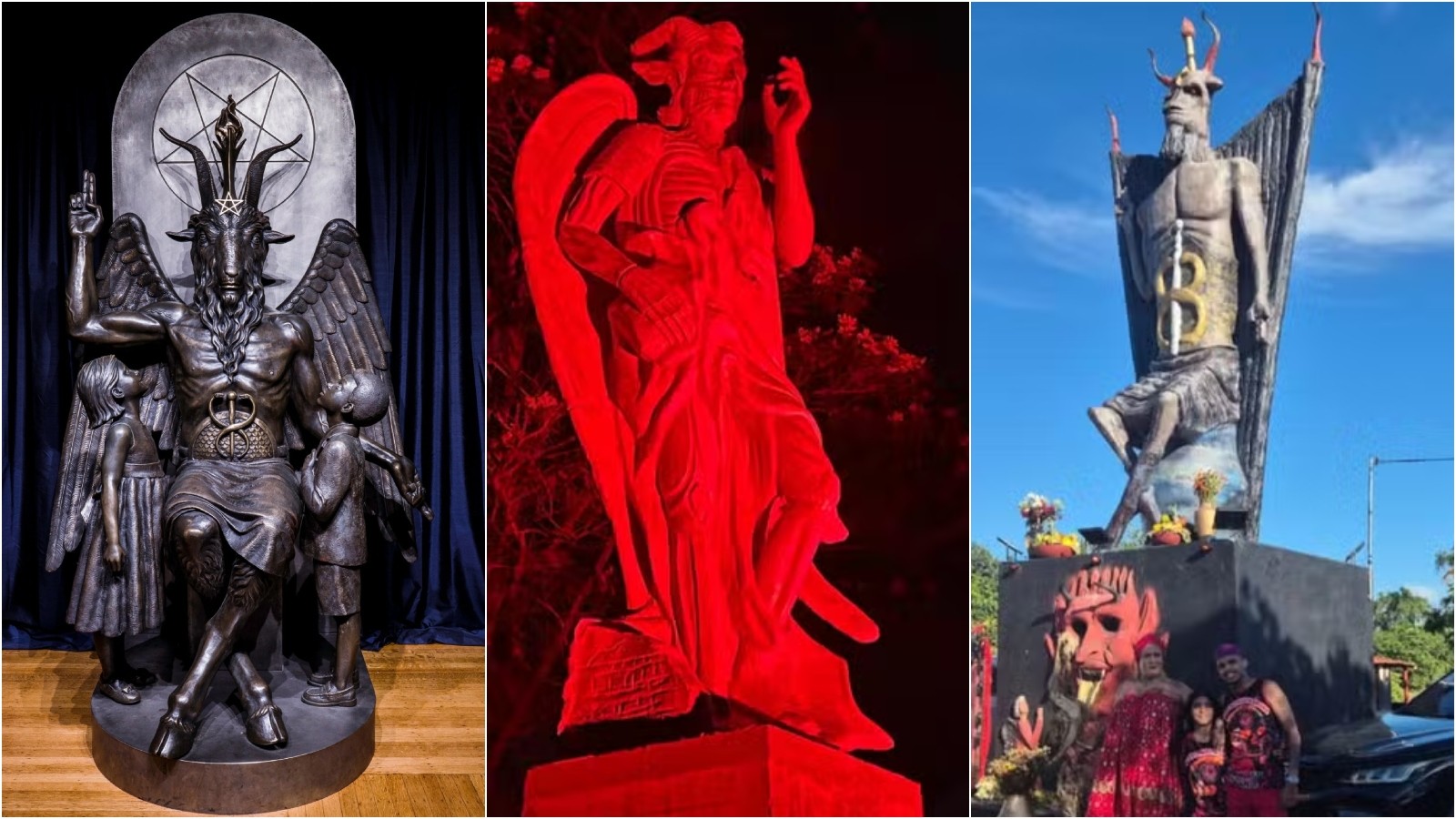
An 11-meter-tall statue honoring the Devil has been erected in Taíba, a district of São Gonçalo do Amarante in Ceará, Brazil, with an investment of R$100,000. The project was commissioned by Mãe Rainha das Trevas, the leader of a Quimbanda group, who funded it entirely from her personal resources on her private property. This new monument joins a curated list of global representations of Lucifer.
Notable among these is the Fountain of the Fallen Angel in Madrid, Spain, a 2.6-meter sculpture by Ricardo Bellver in Retiro Park, inaugurated in 1885. The United States features a 2.7-meter Baphomet statue at The Satanic Temple in Massachusetts, depicting Lucifer with two children. Brazil also has another Lucifer monument in Gravataí, Rio Grande do Sul; a 5-meter statue costing R$35,000, located within a temple of the Nova Ordem de Lúcifer na Terra (N.O.L.T.). However, recent reports indicate this latter site has been abandoned for over a year, with its leader citing religious persecution.
Spain hosts another depiction in Segovia, a more contemporary statue of a smiling Devil holding a cell phone. The Ceará statue's creator claims it is the world's largest Devil statue, though this remains unconfirmed by official records. The local municipality of São Gonçalo do Amarante confirmed that the religious temple construction complied with environmental and urbanistic legislation, and the leader secured all necessary building permits.
This event highlights the diverse expressions of religious and spiritual iconography globally, including those that challenge conventional interpretations. The construction of the Devil statue on private property, with municipal approval for zoning and environmental compliance, underscores the legal frameworks that permit varied religious practices. The narrative also touches upon themes of religious freedom and potential persecution, as suggested by the Gravataí temple's situation. From a future-oriented perspective, such monuments can serve as focal points for cultural dialogue and understanding, prompting reflection on symbolism, belief systems, and the evolving landscape of religious expression in a pluralistic society. The differing artistic styles and contexts of these statues, from classical to modern, reflect broader societal shifts in how figures of myth and religion are perceived and represented.
AI-generated to prompt reflection — not editorial opinion, not advice, not a statement of fact. How this works.
