11-Month-Old Infant Receives Bilateral Cochlear Implants for Congenital Deafness
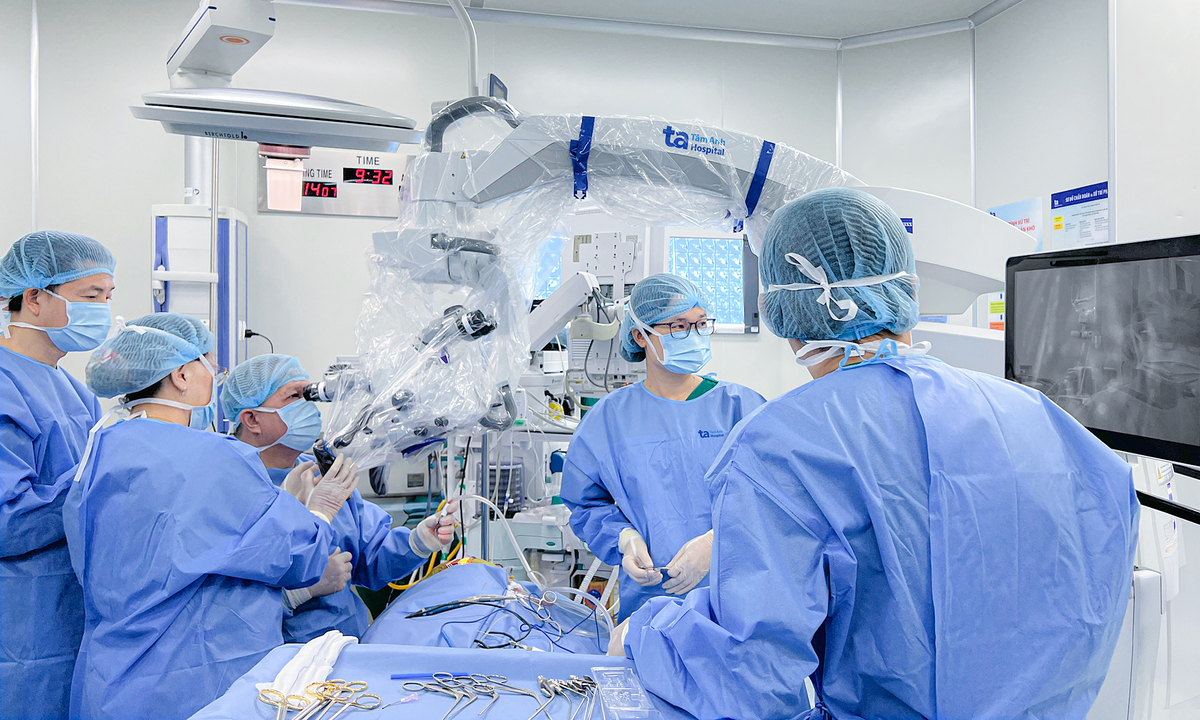
An 11-month-old baby named Linh, who was born with profound congenital deafness, has undergone surgery to receive two advanced cochlear implants simultaneously. The implants, measuring 3.9 mm in thickness, were surgically placed in both ears. This procedure offers a potential pathway for the infant to develop hearing and speech capabilities. The surgery marks a significant intervention for congenital hearing loss at a very young age. Cochlear implants are electronic devices that bypass damaged parts of the inner ear and directly stimulate the auditory nerve. This technology aims to provide a sense of sound to individuals with severe to profound hearing loss. The successful implantation of these devices in such a young child highlights advancements in pediatric audiology and neurosurgery. It offers hope for improved developmental outcomes and integration into the hearing world for Linh.
The successful bilateral cochlear implantation in an 11-month-old infant addresses a critical developmental window for auditory processing and language acquisition. This intervention, while technologically advanced, underscores the ongoing challenge of congenital hearing loss and the increasing reliance on sophisticated medical devices. The long-term efficacy will depend on post-operative rehabilitation, device performance, and the child's individual neuroplasticity. Future considerations may involve the integration of AI-powered sound processing within these implants to adapt to evolving auditory environments and optimize speech perception, potentially mitigating some of the inherent limitations of current cochlear implant technology.
AI-generated to prompt reflection — not editorial opinion, not advice, not a statement of fact. How this works.