11 of 13 DF Emergency Units Over Capacity, Some at 400%
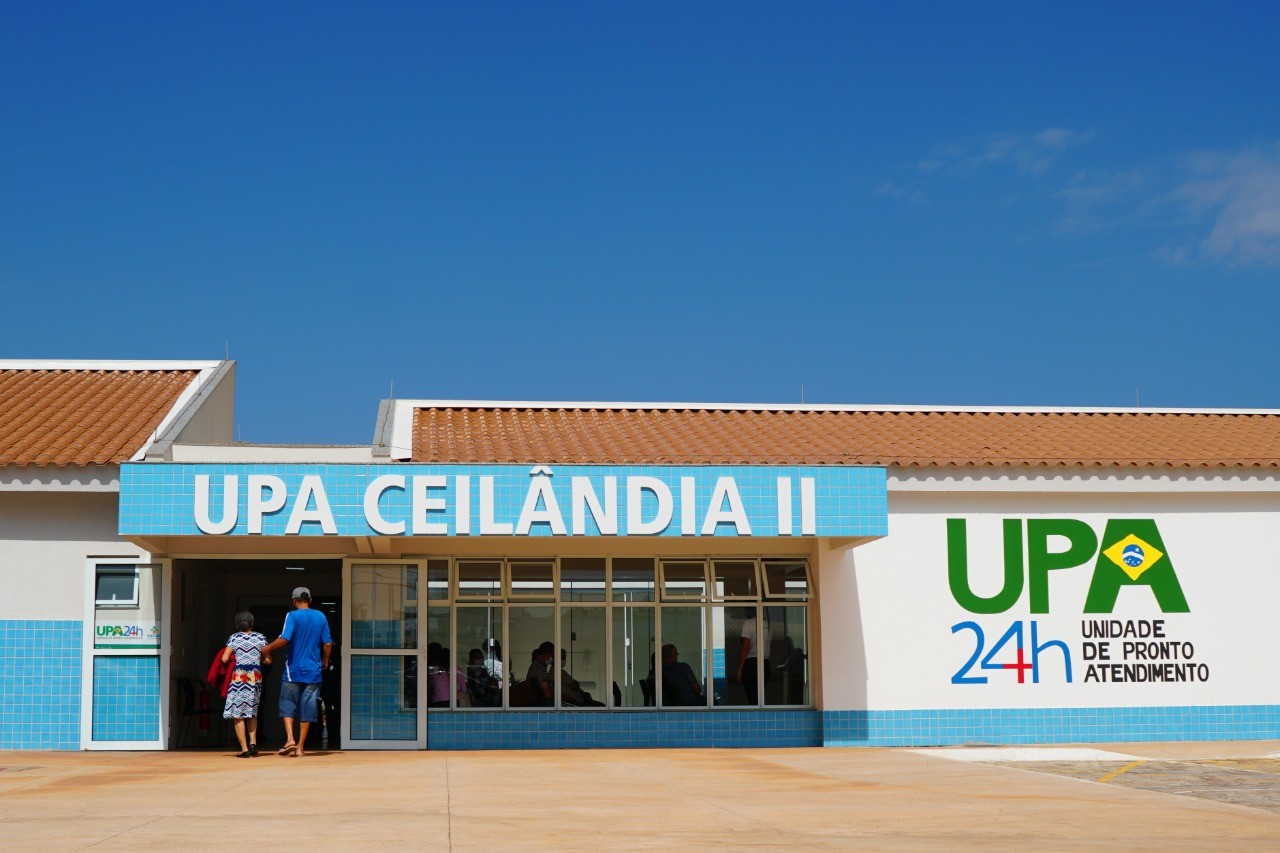
Eleven out of thirteen Emergency Care Units (UPAs) in Brazil's Federal District (DF) are currently operating beyond their maximum patient capacity, according to data from the Public Prosecutor's Office of the Federal District. The UPA Ceilândia II, in Setor O, is experiencing an extreme occupancy rate of 400%, meaning four patients are admitted for every available bed, with many occupying improvised beds and corridors. Across all 185 available beds in the UPAs, the overall occupancy rate has reached 177%. Only the UPAs in Sobradinho and São Sebastião are operating below capacity, at 90% and 71% respectively, as of last Thursday, the 9th. Other UPAs facing significant overcrowding include Gama (244%), Núcleo Bandeirante (242%), and Ceilândia (238%). The Federal Council of Medicine states that UPAs are not intended for long-term stays, with a maximum patient stay of 24 hours. However, the average stay in these DF UPAs is now 3.7 days. The Institute of Strategic Health Management (Iges-DF) acknowledges that patients awaiting hospital beds after clinical stabilization are impacting UPA occupancy. This situation follows a June incident where a man died in the waiting area of the UPA Recanto das Emas without receiving treatment, prompting an internal investigation. Iges-DF plans to implement seven new UPAs and utilize teleconsultation for less severe cases to alleviate pressure.
The current overcrowding in Brazil's Federal District emergency units highlights a systemic strain on the public healthcare infrastructure, likely exacerbated by bottlenecks in hospital bed availability. While UPAs are designed for urgent stabilization and transfer, extended patient stays indicate a disconnect between emergency care and downstream hospital capacity. This situation not only compromises the quality of emergency services but also raises concerns about patient flow and resource allocation within the broader healthcare network. The Iges-DF's proposed solutions, such as new UPA constructions and teleconsultation, aim to address demand and optimize existing resources. However, a comprehensive long-term strategy must also focus on increasing hospital bed capacity and improving inter-institutional coordination to ensure efficient patient transitions and prevent future crises.
AI-generated to prompt reflection — not editorial opinion, not advice, not a statement of fact. How this works.