11-Year-Old Girl Dies in Brazil's Federal District After Scorpion Sting
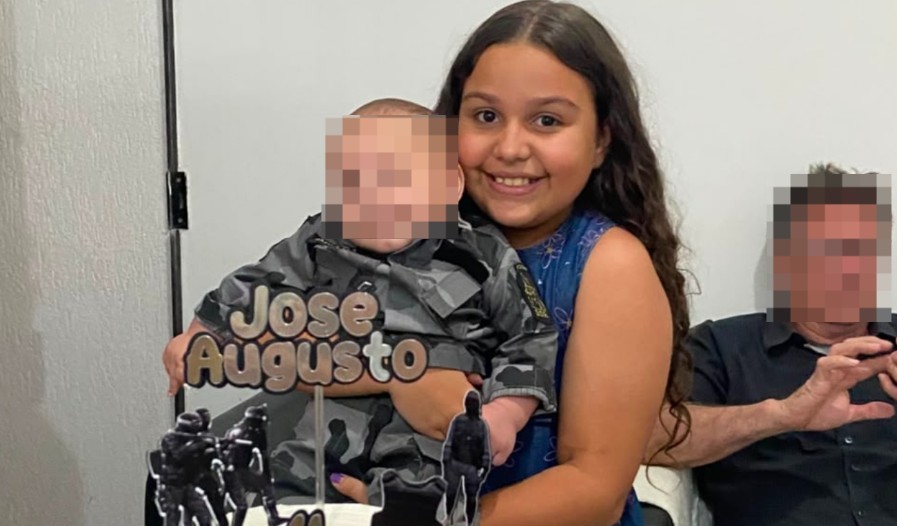
An 11-year-old girl, Valentina Nobre Lima, has died in Brazil's Federal District following a scorpion sting. She had been hospitalized since June 12th, intubated and in an induced coma in the intensive care unit of the private Santa Lúcia hospital in Brasília. The incident occurred on June 11th when Valentina was bitten by a scorpion hidden in her shoe as she was getting ready for school. She reported feeling three stings before managing to remove the footwear. Her family alleges that the severity of her condition was exacerbated by significant delays and obstacles in accessing emergency and public healthcare services. They claim to have spent nearly eight hours transferring Valentina between facilities before securing an ICU bed and an ambulance for transfer to the Santa Lúcia hospital. The Federal District's Health Secretariat reported 1,974 scorpion-related incidents this year, with 32 classified as severe, an increase of 6.4% compared to the same period last year. Health guidelines recommend washing the sting site, elevating the affected limb, seeking immediate medical attention, and identifying the animal if possible. The antivenom serum is reserved for severe cases, particularly involving children, the elderly, or debilitated individuals, and is available at several public hospitals across the Federal District.
This tragic event highlights critical issues in emergency medical response and public health infrastructure. The family's account suggests potential systemic failures in timely access to critical care, raising questions about the efficiency and coordination of emergency services, particularly during peak demand or in specific geographic areas. The reported increase in scorpion incidents underscores the need for proactive public health campaigns focused on prevention and rapid, equitable access to treatment. Future considerations should include optimizing resource allocation within the public health system, enhancing inter-agency communication for emergency transfers, and exploring environmental factors contributing to the rise in scorpion encounters to mitigate future risks.
AI-generated to prompt reflection — not editorial opinion, not advice, not a statement of fact. How this works.