12-Year-Old Brazilian Pianist Gustavo Guitte Wins Third Place at US International Competition
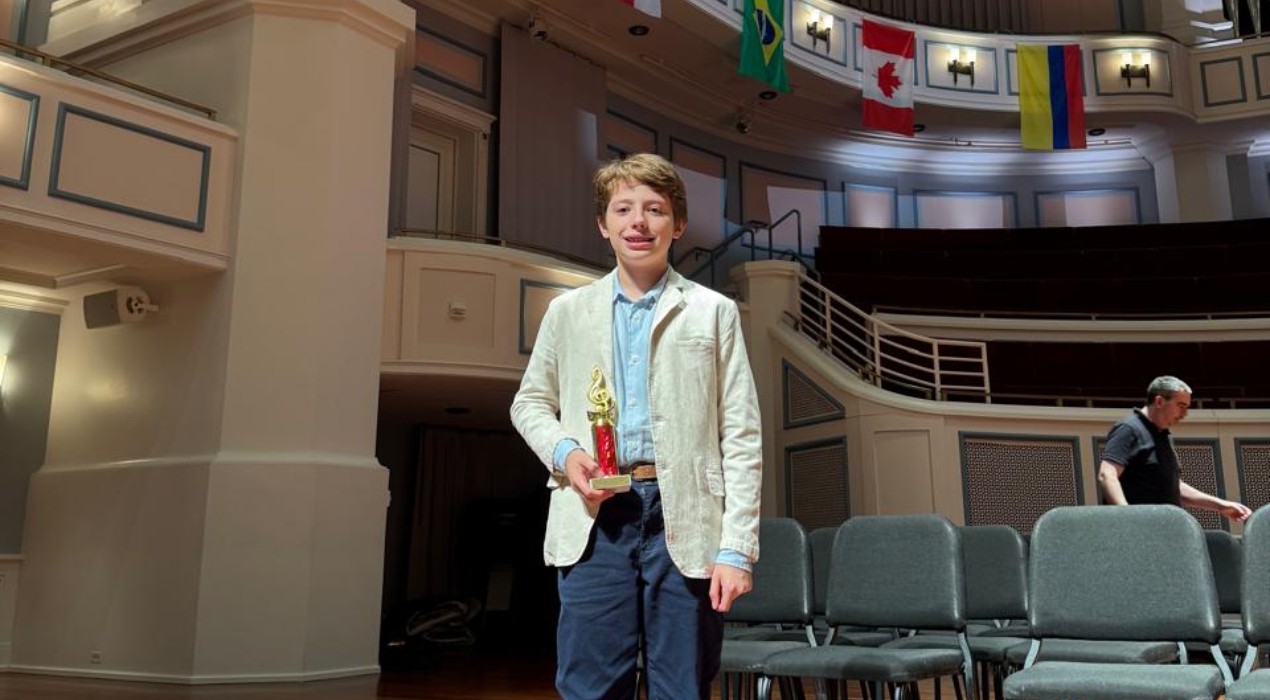
Twelve-year-old prodigy Gustavo Guitte, from Sorocaba, Brazil, has secured third place at the Carmel Klavier International Piano Competition held in the United States. Guitte was the sole Brazilian representative in this global event, competing against talented musicians from countries including China, South Korea, Ukraine, Canada, and the USA. The final auditions took place at the Studio Theater in Virginia, with the awards ceremony held at The Palladium. Guitte earned his spot in the international competition by winning a Latin American selection round in March, where he was chosen by international mentor Irina Gorin from over 300 applicants.
Having played the piano since age six, Guitte strategically chose a repertoire for the final round that honored his Brazilian roots. His performance featured two classic pieces, "Nazarethiana" by Marlos Nobre and "Paulistana nº 4" by Cláudio Santoro, blending technical complexity with national identity. This achievement adds to Guitte's growing list of accolades, including previous wins at the Ituiutaba Piano Competition, the Edna Bassetti Habith Competition, and the Gunter Bauer Competition.
Guitte's family described the experience as incredible, highlighting the opportunity to perform and compete with musicians from diverse cultures while showcasing Brazilian music on an international stage. Following this success and his demanding rehearsal schedule, Guitte and his teacher are now planning his participation in major national tournaments for the second half of the year.
This event highlights the growing global reach of young artistic talent and the increasing accessibility of international platforms for emerging musicians. Guitte's strategic choice to perform Brazilian classical music underscores a broader trend of cultural self-expression and national pride in global competitions. As AI continues to influence creative fields, such competitions serve as crucial benchmarks for human artistry, emphasizing unique cultural narratives and technical mastery. The future may see AI-powered tools assisting in practice and repertoire selection, but the core of such achievements will likely remain rooted in individual dedication, cultural heritage, and the human desire to connect through performance. This case suggests that fostering diverse cultural representation in global arenas is vital for a richer, more interconnected artistic landscape.
AI-generated to prompt reflection — not editorial opinion, not advice, not a statement of fact. How this works.