12th-Century Child's Tomb Discovered Outside Ávila City Walls
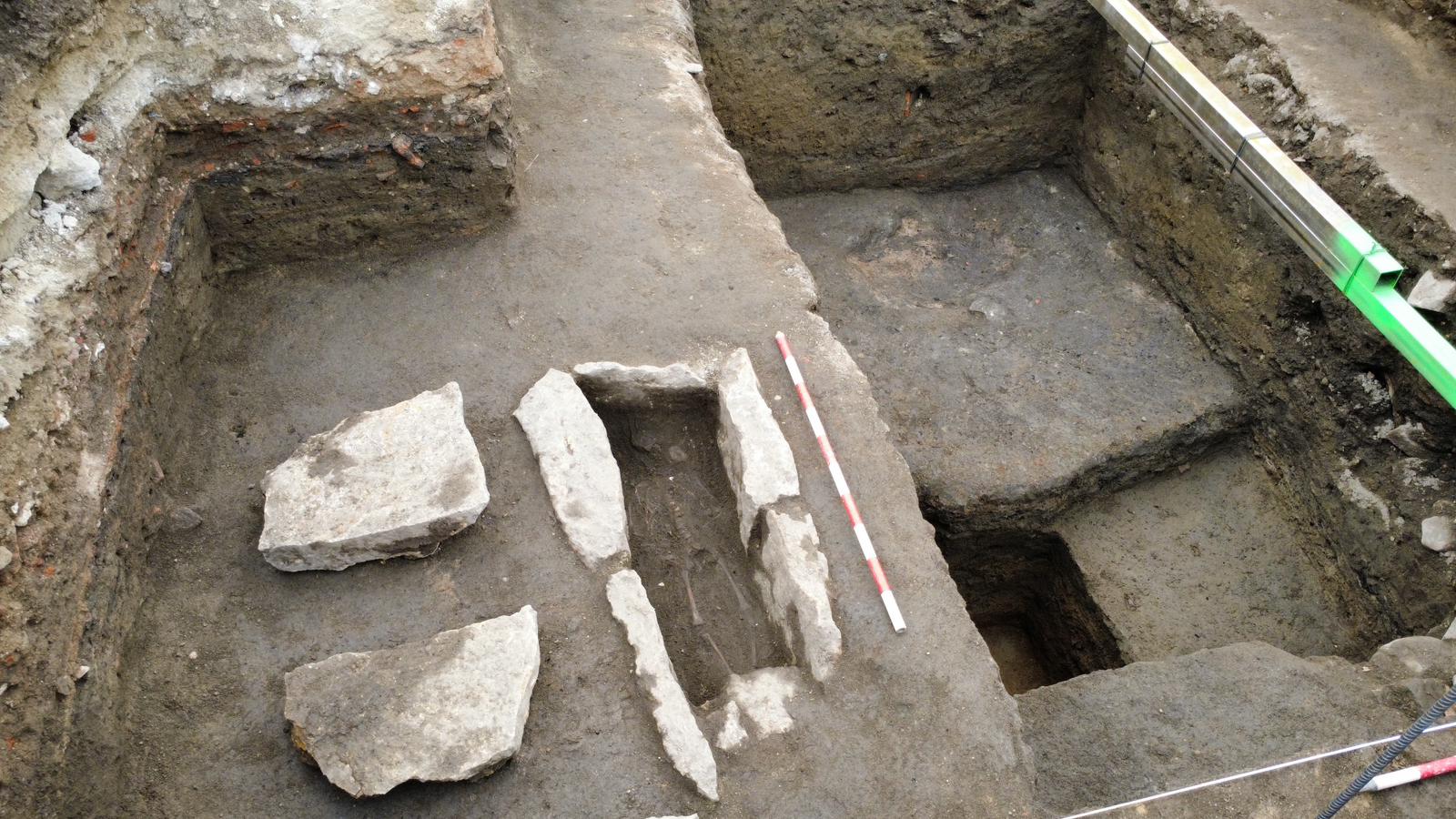
Archaeologists have unearthed the tomb of a child dating back to the 12th century, located just outside the ancient walls of Ávila, Spain. The burial site was found near the entrance to the city, a location that has sparked interest among researchers. Initial interpretations suggest the placement of the child's grave may be linked to pagan beliefs. Specifically, it is theorized that the burial was intended to serve as a protective measure for the city. This discovery offers a glimpse into the funerary practices and spiritual beliefs prevalent in the region during the High Middle Ages. Further study of the remains and the surrounding context is expected to provide more insights into this unique find. The excavation site is situated in an area historically significant for its defensive structures.
The discovery of a 12th-century child's tomb outside Ávila's walls, potentially linked to pagan protective rituals, highlights the complex interplay between belief systems and urban development in medieval Europe. This practice, if confirmed, suggests that early communities employed spiritual defenses alongside physical fortifications. Examining such traditions offers insight into societal anxieties and the evolving understanding of mortality and community well-being. Future research could explore comparative archaeological evidence from other medieval settlements to understand the prevalence and evolution of these protective burial customs, particularly in relation to urban expansion and perceived threats.
AI-generated to prompt reflection — not editorial opinion, not advice, not a statement of fact. How this works.