13-year-old arrested for impersonating police officer, stealing over €20,000 in jewelry
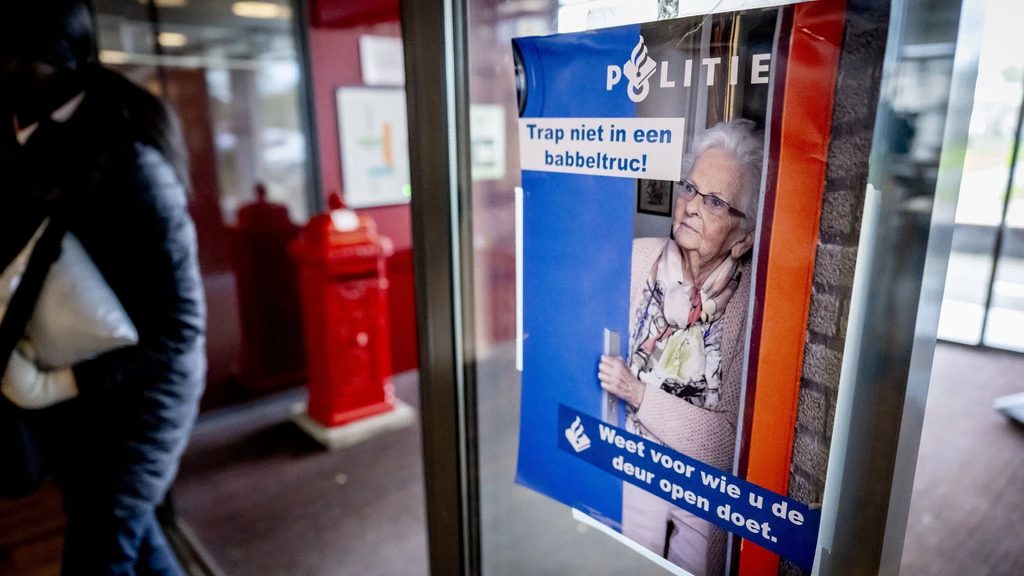
Police in Spijkenisse, Netherlands, have arrested a 13-year-old boy suspected of impersonating a police officer. The young suspect is believed to have stolen over 20,000 euros worth of jewelry and also took a victim's debit card. The arrest occurred at the boy's home during the summer holiday. Police expressed surprise at the suspect's young age, noting the significant emotional and financial impact on victims. One victim lost over 20,000 euros in jewelry, and money was also withdrawn using her debit card. The psychological distress for victims, who lose their sense of security and trust in the police, is considered more severe than the financial losses. Authorities are investigating whether the boy acted alone or was exploited by others, a common phenomenon where vulnerable youths are targeted by organizers or intermediaries for criminal activities, though some may participate voluntarily for financial gain. The police reported a notable increase in fake police incidents last year. Perpetrators typically contact elderly individuals, claiming burglaries in the area and offering to secure valuables by collecting them. They often use police names or uniforms. The police reiterate their warning: remain vigilant and never hand over or arrange for the collection of debit cards, PIN codes, jewelry, or other valuables.
This incident highlights a concerning trend of juvenile involvement in sophisticated scams, potentially driven by exploitation or a miscalculation of risk versus reward. The exploitation of trust in law enforcement by perpetrators, especially targeting vulnerable populations like the elderly, erodes public safety and confidence. The rise in such incidents suggests a need for enhanced public awareness campaigns and potentially new investigative strategies focused on identifying and disrupting the networks that recruit or enable young individuals in these criminal activities. Future efforts might explore preventative education within schools and community outreach programs that address both the demand for illicit gains and the protection of potential victims in an increasingly digital and interconnected society.
AI-generated to prompt reflection — not editorial opinion, not advice, not a statement of fact. How this works.