14 Afghan Migrants Found Dead in Nimroz Desert After Vehicle Breakdown
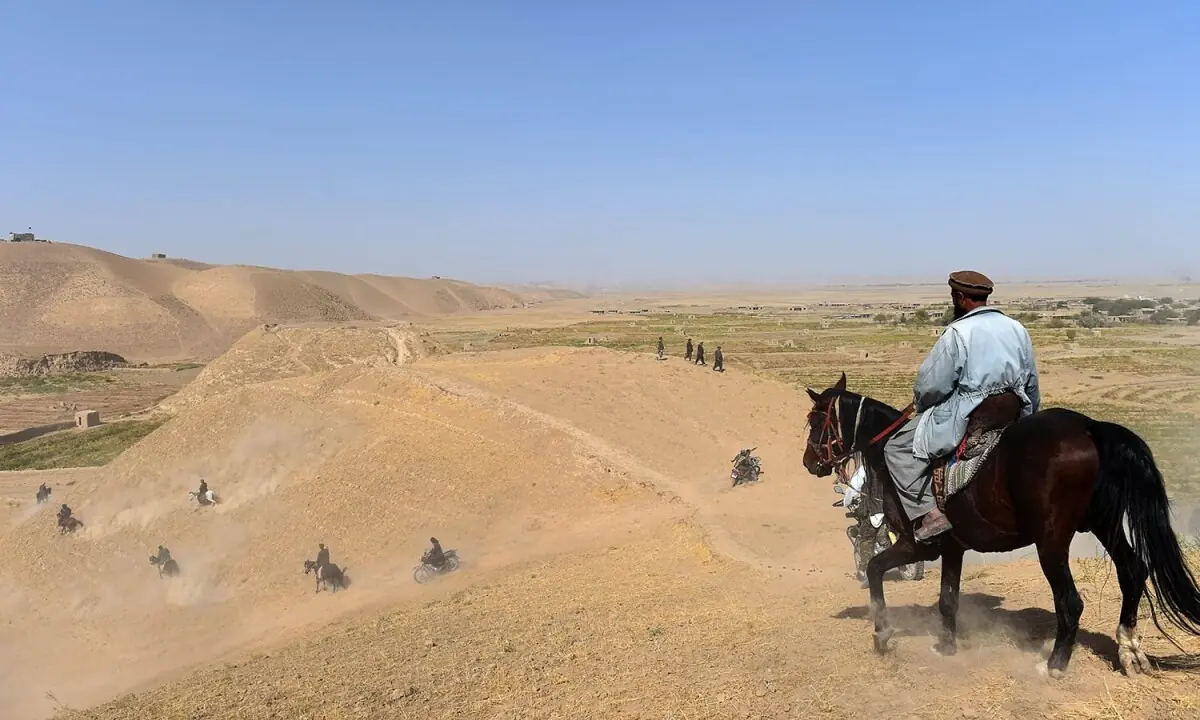
The bodies of 14 Afghan migrants attempting to reach Iran were discovered buried beneath the sand in a scorching desert in Nimroz province, southwestern Afghanistan. The group's journey began weeks ago when their vehicle broke down, compelling them to continue on foot towards Iran. Authorities initiated a search after the vehicle's driver managed to reach a village in Nimroz, seeking assistance due to extreme exhaustion and dehydration. Initially, five bodies were found, prompting a wider search for the remaining 14 individuals who had pressed onward. Nimroz province is known for its extreme arid conditions, with temperatures frequently reaching around 45 degrees Celsius during this time of year. A hospital source confirmed the discovery of the bodies on Saturday, with the provincial government spokesman also verifying the grim find on Friday. These migrants were from the eastern province of Badghis, with one resident stating they had departed 23 days prior. Iran is a common destination for Afghans seeking economic opportunities, but legal entry routes are limited, contributing to the reliance on dangerous irregular migration. The Interior Ministry reiterated its commitment to combating human trafficking. This incident follows a similar tragedy in December, when at least 18 Afghans died from cold while attempting to cross into Iran.
This tragic event highlights the desperate measures individuals undertake when facing severe economic hardship and limited legal migration pathways. The perilous journey underscores the systemic pressures driving Afghans to seek opportunities abroad, often at immense personal risk. Future policy considerations should address the root causes of such desperation, including economic development within Afghanistan and the exploration of more accessible and safe legal avenues for migration. Examining the role of human trafficking networks and the responsibilities of transit and destination countries in preventing such loss of life is also crucial. The long-term implications involve understanding how climate change may exacerbate these risks, potentially increasing the frequency of such humanitarian crises along migration routes.
AI-generated to prompt reflection — not editorial opinion, not advice, not a statement of fact. How this works.