14 Workers Rescued from Slavery-Like Conditions at Recife Construction Site
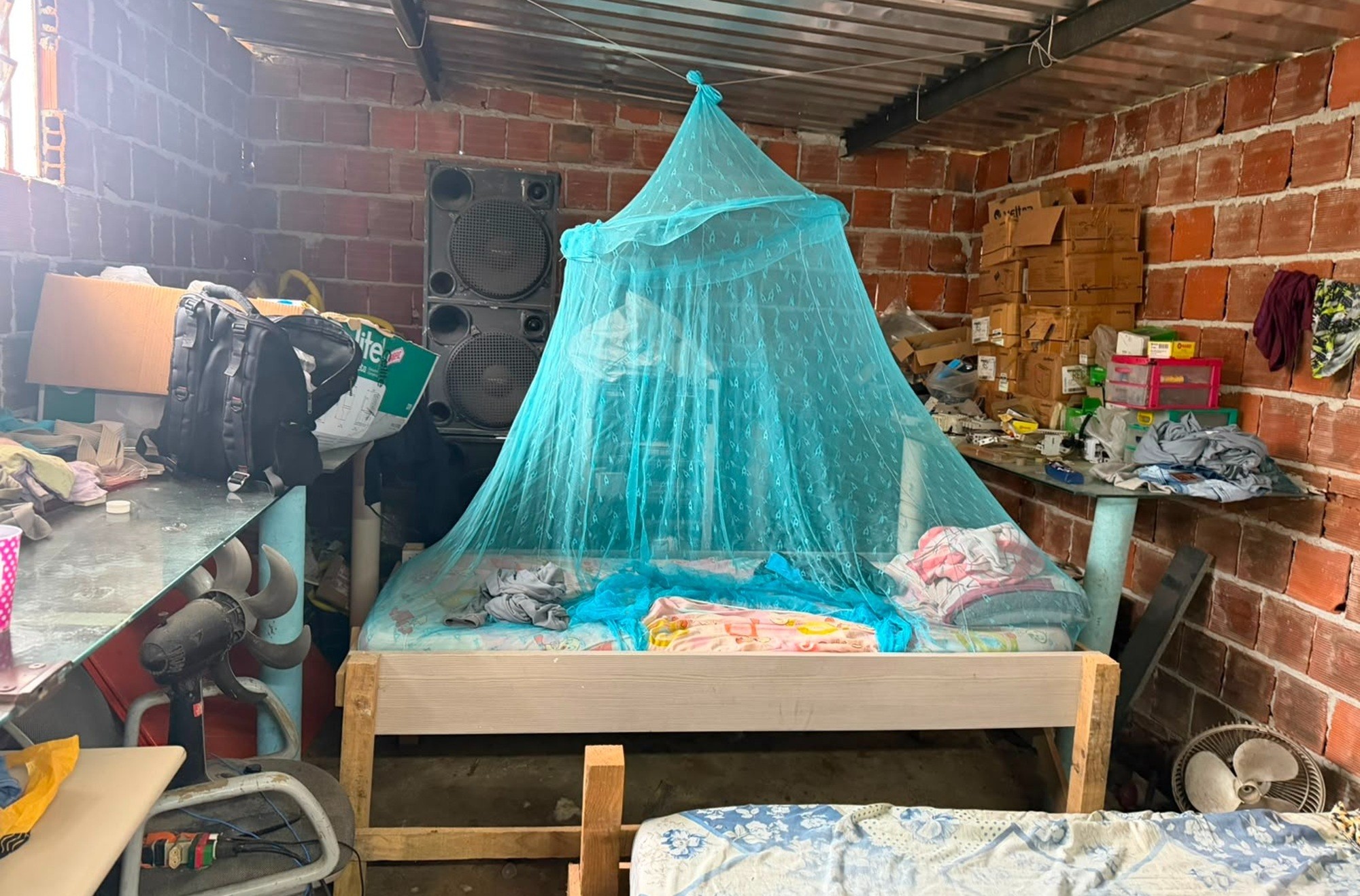
Fourteen workers have been rescued from conditions analogous to slavery during an operation by the Labor Audit Office (AFT) in Recife, Brazil. The inspection, conducted on Tuesday, April 4th, targeted a company in the civil construction sector located in the Imbiribeira neighborhood. The workers were found to be living in degrading conditions that violated minimum standards for dignity, health, safety, and comfort as stipulated by labor law. Specific issues included overcrowded dormitories with deteriorated, makeshift furniture, inadequate mattresses, leaks, and exposed electrical wiring. Many of the affected workers hail from Bom Jardim, in the Agreste region, commuting to Recife for work during the week and returning home only on weekends. They reported having to bring their own bedding and fans due to the company's failure to provide these essentials, and struggled with extreme heat and mosquitoes in their living quarters. The accommodation lacked proper storage for personal belongings, with items kept in backpacks and on makeshift surfaces. The external area of the property was neglected, with debris, overgrown vegetation, and standing water, contributing to pest infestations. Workers also faced issues with sanitation, with only two showers for collective use and a distant, uncovered bathroom facility. They were responsible for cleaning the accommodation themselves, outside of their working hours. While meals were provided, there was no adequate dining space, forcing some to eat in improvised areas. The water supply was directly from the public network without filtration, with bottled water only provided during service interruptions. These conditions were officially classified as reducing workers to a state analogous to slavery under Article 149 of the Penal Code. Following the rescue, the workers were removed from the site, and procedures were initiated for unemployment benefits. The operation involved the Public Prosecutor's Office of Labor (MPT) and the Federal Police (PF), with a report sent to the MPT for further legal action.
This incident highlights a systemic failure in oversight and enforcement within the construction industry, despite existing labor laws designed to prevent such exploitation. The degrading living conditions and lack of basic amenities suggest a significant disconnect between corporate operational costs and worker welfare, driven by incentives that prioritize profit over human dignity. The reliance on informal labor, often from economically disadvantaged regions, creates vulnerabilities that can be exploited. Moving forward, robust auditing mechanisms, transparent supply chain accountability, and stronger penalties for non-compliance are crucial. Furthermore, fostering a culture of corporate social responsibility, where ethical treatment of all workers is a core business principle, will be essential in preventing future occurrences and ensuring equitable labor practices in the evolving economic landscape.
AI-generated to prompt reflection — not editorial opinion, not advice, not a statement of fact. How this works.
