14-Year-Old Girl Found Bound and Stabbed to Death in Her Bedroom
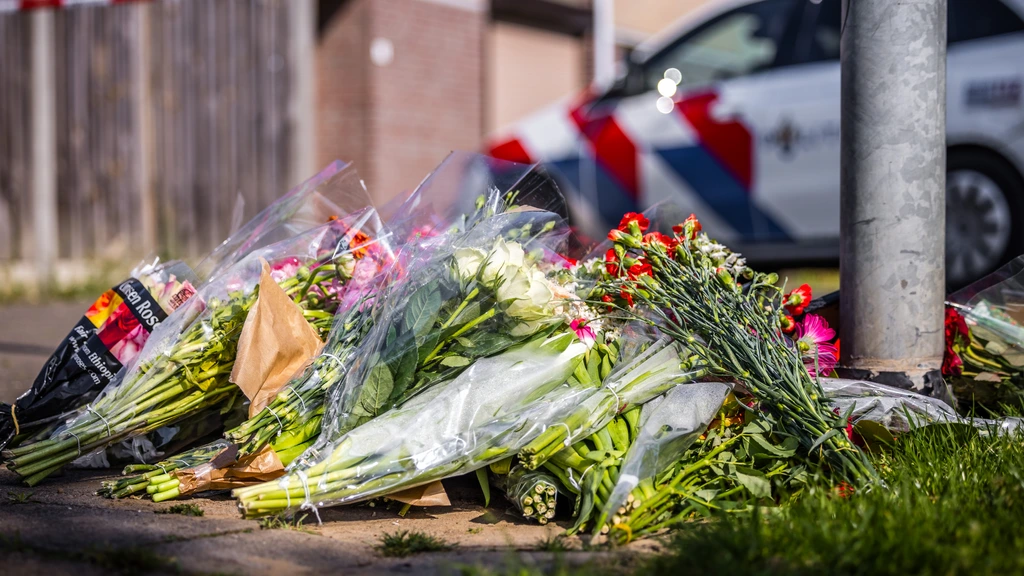
The body of 14-year-old Nour from Blerick, who was fatally stabbed in April, was discovered by police on her bed, bound at the ankles and wrists with tape. This detail emerged during the first public hearing in the case against Nour's mother, Fouzia R., 59, who is suspected of her daughter's murder. The Public Prosecution Service stated that tape was also found around Nour's neck and mouth. Fouzia R. confessed to stabbing her daughter multiple times on the morning of April 20th shortly after her arrest. Both parents were initially detained, though Nour's father has since been released while remaining a suspect. Nour's mother is currently undergoing psychiatric evaluation at the Pieter Baan Center as part of the legal proceedings. Prosecutors indicated that Fouzia R. is experiencing psychiatric issues, making her unable to be interviewed effectively, as she reportedly does not fully comprehend her daughter's death or her potential role in it, despite her confession. She has, however, attributed the events to Nour's father, though the meaning of this statement remains unclear. Investigations are ongoing to determine who bound Nour, with forensic analysis of the tape potentially providing crucial evidence. It is also being investigated whether Fouzia R. could have physically bound her daughter alone. Nour's sister was home at the time of the incident and reported waking to screaming, observing her father appearing to pull her mother away from Nour. It was revealed two days after Nour's death that the family had been known to child protective services, with Veilig Thuis, a national reporting center for domestic violence and child abuse, confirming two previous reports, the most recent being two years prior.
The tragic circumstances surrounding Nour's death highlight critical failures in child protective services and the complex interplay of domestic dynamics and mental health. The binding of the victim, if not perpetrated by the confessed assailant, introduces significant questions regarding additional actors or contributing factors, necessitating thorough forensic investigation. The mother's reported psychiatric state, while potentially explaining her actions and cognitive state post-incident, underscores the urgent need for comprehensive mental health support within families identified as at-risk. Future interventions should focus on robust early detection mechanisms for domestic distress and accessible, sustained mental healthcare, particularly for parents exhibiting concerning behaviors. The legal process must balance accountability with the realities of mental illness, ensuring both justice for the victim and appropriate care for the accused, while safeguarding vulnerable individuals within such family structures.
AI-generated to prompt reflection — not editorial opinion, not advice, not a statement of fact. How this works.