146 Municipalities in Paraíba Declare State of Emergency Due to Drought and Heavy Rains
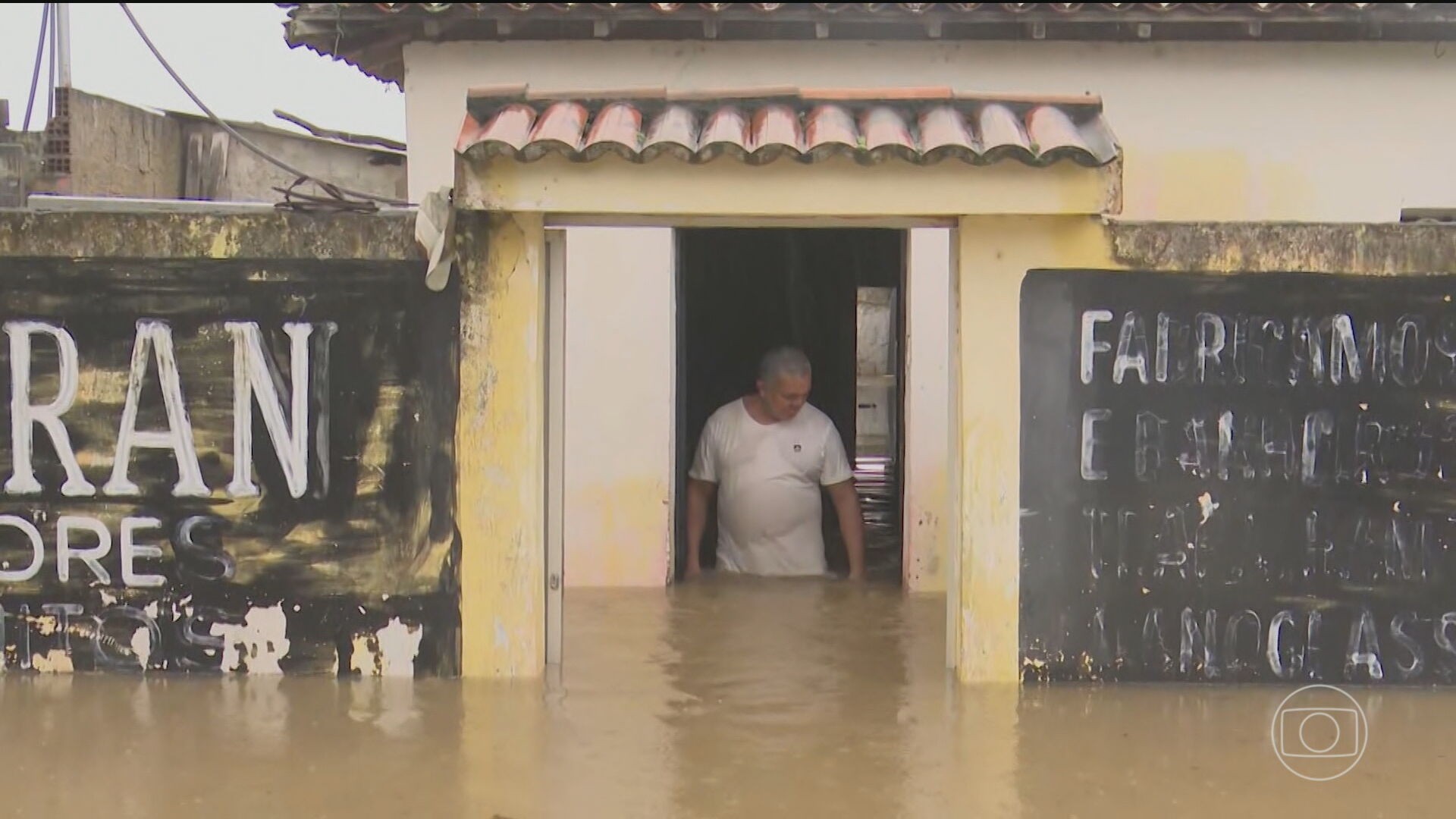
A total of 146 municipalities in the Brazilian state of Paraíba are currently under a state of emergency due to various natural disasters. These affected cities are spread across all regions of the state, from the Sertão to the Litoral. The primary causes for these declarations are severe drought and intense rainfall, with associated flooding in some areas. According to the Ministry of Integration and Regional Development's Integrated Disaster Information System (S2iD), 108 municipalities in the Sertão region are facing emergencies primarily due to lack of rain. In contrast, 37 municipalities along the Litoral are dealing with emergencies caused by heavy rains, and one municipality is affected by flooding. Of the 146 municipalities, 140 have received federal recognition of their emergency status. This recognition is crucial for them to access federal funds for disaster relief and recovery efforts. Some cities, including João Pessoa and Santa Rita, experienced significant rainfall in May, leading to widespread impacts. Municipalities can request financial aid from the federal government for civil defense actions, such as purchasing essential supplies like food baskets, mineral water, and cleaning kits, as well as hygiene items. These requests are submitted to the National Civil Defense through the S2iD system, where damage reports and work plans are detailed. Following technical review and approval, a federal decree will specify the allocated funds for each municipality.
The widespread declarations of emergency in Paraíba highlight the vulnerability of municipalities to climate extremes, particularly drought in the Sertão and heavy rainfall in coastal areas. This situation underscores the need for robust, long-term adaptation strategies that go beyond immediate disaster relief. While federal aid is essential for immediate response, it is critical to examine the underlying infrastructure and land-use planning that may exacerbate these vulnerabilities. Future planning should integrate climate resilience measures, potentially including improved water management systems, sustainable agricultural practices, and urban development guidelines that account for increased flood risks. The reliance on federal emergency funds suggests a potential gap in local and state-level preparedness and mitigation budgets, prompting a review of fiscal responsibility and resource allocation for climate adaptation.
AI-generated to prompt reflection — not editorial opinion, not advice, not a statement of fact. How this works.