15 Ships Carrying Fertilizers and Raw Materials Safely Pass Strait of Hormuz
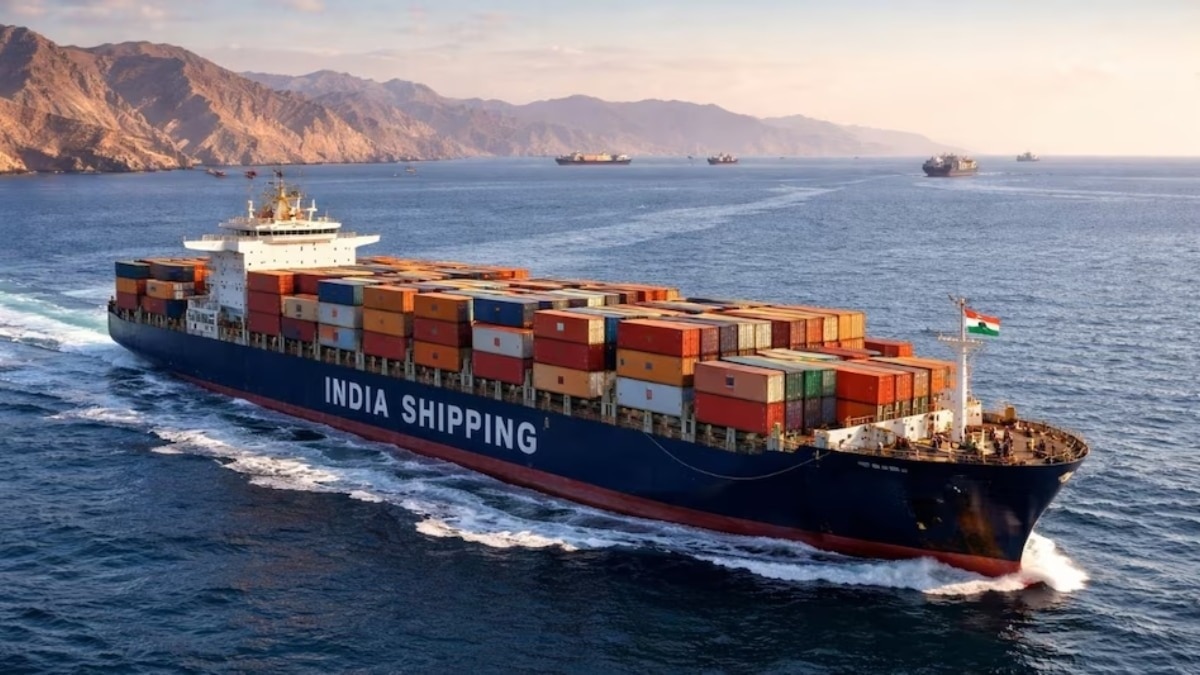
Amidst rising tensions in West Asia, a convoy of 15 ships carrying essential fertilizers and raw materials has successfully navigated the Strait of Hormuz and is now en route to India. This development brings positive news for India's agricultural sector, which relies heavily on imported fertilizers like urea and DAP. The safe passage of these vessels is a significant relief, ensuring the timely arrival of these crucial supplies. The ships are expected to dock in India soon, bolstering the nation's fertilizer reserves. This successful transit underscores the importance of maritime trade routes and the efforts to maintain their security even in volatile geopolitical regions. The arrival of these fertilizers is critical for the upcoming planting seasons and will support Indian farmers in meeting their crop production goals. The government has been closely monitoring the situation in West Asia to ensure the uninterrupted flow of vital commodities. This positive development is anticipated to stabilize fertilizer prices and availability across the country.
The successful transit of 15 ships carrying fertilizers through the Strait of Hormuz, despite regional geopolitical tensions, highlights the critical importance of global supply chains for essential commodities like agricultural inputs. This event underscores the resilience of maritime trade routes and the strategic imperative for nations to secure diversified sourcing and transit options. The reliance on specific chokepoints, such as the Strait of Hormuz, presents inherent risks that necessitate robust contingency planning and diplomatic engagement to ensure stable access. Looking ahead, the increasing demand for food production, coupled with potential climate-related disruptions, will place further pressure on fertilizer supply chains, emphasizing the need for long-term strategies focused on domestic production capacity, technological innovation in fertilizer efficiency, and sustainable agricultural practices to mitigate future vulnerabilities.
AI-generated to prompt reflection — not editorial opinion, not advice, not a statement of fact. How this works.