150 Years of Bayreuth Festival: Is It Still Acceptable to Listen to Wagner?
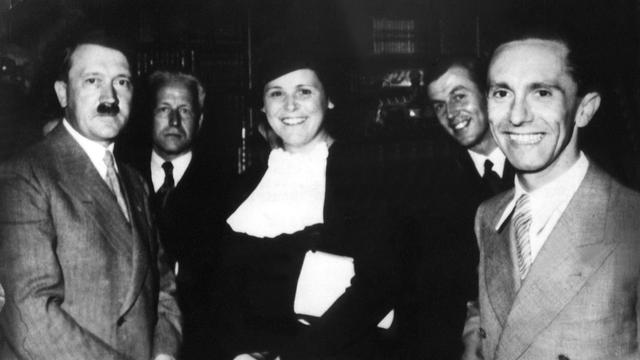
This year marks the 150th anniversary of the Bayreuth Festival, a prestigious event dedicated to the works of composer Richard Wagner. The anniversary prompts a significant question: Is it still appropriate to engage with Wagner's music, given his well-documented antisemitic views? Wagner's writings, particularly "Judaism in Music," have long been a source of controversy, casting a shadow over his artistic legacy. The festival itself, founded by Wagner in 1876, has grappled with this complex heritage. While his musical genius is undeniable, the ethical implications of celebrating his work are increasingly debated. This discussion is not new but gains renewed urgency with the festival's milestone. It forces a confrontation between artistic merit and the moral responsibility of cultural institutions and audiences. The question challenges whether art can or should be separated from the artist's personal beliefs and historical context. It invites reflection on how contemporary society should engage with problematic historical figures whose cultural contributions remain influential.
The 150th anniversary of the Bayreuth Festival presents a recurring dilemma: how to reconcile Richard Wagner's profound musical innovations with his virulent antisemitism. This tension highlights a broader challenge in the arts and humanities regarding the separation of artistic creation from the creator's ideology and historical context. As AI and digital tools increasingly enable deeper analysis of historical texts and societal impacts, audiences and institutions face pressure to critically evaluate the ethical dimensions of cultural consumption. The debate over Wagner prompts consideration of whether artistic value can transcend moral failings, and if so, under what conditions. This introspection is crucial for fostering a more nuanced understanding of cultural heritage, encouraging critical engagement rather than passive acceptance, and ensuring that future cultural celebrations are inclusive and ethically grounded.
AI-generated to prompt reflection — not editorial opinion, not advice, not a statement of fact. How this works.