150 Years of the Bayreuth Festival: Wagner's Legacy and Its Troubled Past
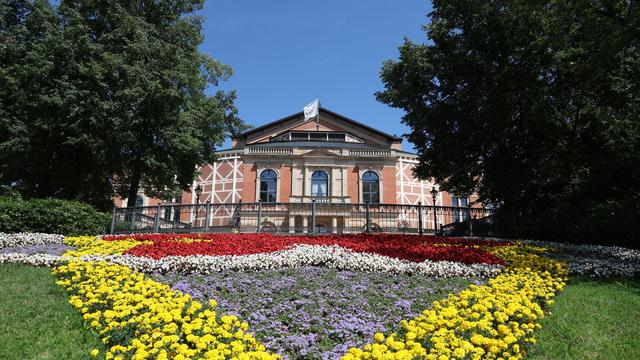
The Richard Wagner Festival in Bayreuth is celebrating its 150th anniversary, marking a significant milestone for the renowned opera event. However, this jubilee also brings to the forefront the festival's complex and often dark historical connections. Founded in 1876, the festival has been inextricably linked with the legacy of composer Richard Wagner, whose works are central to its programming. Over its long history, the festival has faced scrutiny regarding its association with antisemitism and its appropriation by the Nazi regime. Wagner himself held deeply antisemitic views, which cast a long shadow over his artistic output and the institutions that celebrate him. During the Third Reich, the Bayreuth Festival was heavily promoted as a cultural cornerstone of Nazi ideology, with Adolf Hitler himself being a frequent attendee and admirer. This historical entanglement has led to ongoing discussions and efforts to confront and contextualize the festival's past. Organizers and scholars are actively engaged in re-examining the festival's history, seeking to acknowledge the problematic aspects while continuing to celebrate Wagner's musical contributions. The anniversary serves as a critical moment for reflection on how to present this complex heritage in a modern, inclusive light, balancing artistic appreciation with historical accountability.
The 150th anniversary of the Bayreuth Festival presents a critical juncture for examining the enduring influence of Richard Wagner's work alongside the historical context of its reception. The festival's deep ties to Wagner's personal ideologies, particularly his antisemitism, and its subsequent co-option by the Nazi regime, necessitate a continuous process of critical engagement. Future programming and public discourse will likely grapple with balancing the artistic merit of Wagner's compositions against the ethical imperative to acknowledge and address the problematic historical associations. This ongoing negotiation reflects broader societal challenges in confronting legacies intertwined with oppressive ideologies, particularly as cultural institutions evolve in an era demanding greater historical consciousness and inclusivity.
AI-generated to prompt reflection — not editorial opinion, not advice, not a statement of fact. How this works.