152 Leaders Dismissed for Poor Mahalla Performance in Uzbekistan
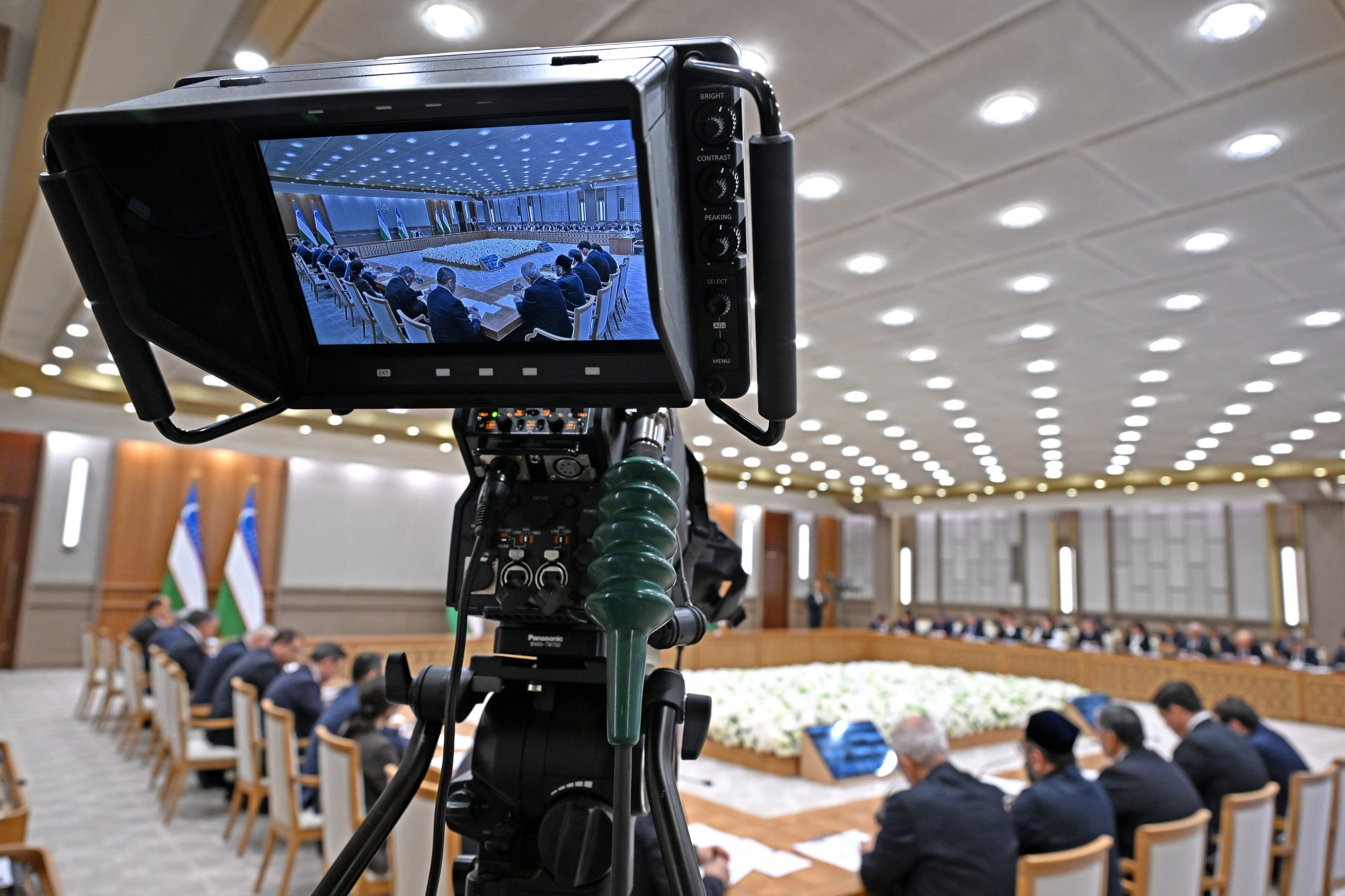
During a meeting chaired by President Shavkat Mirziyoyev, the performance of "mahallas" (neighborhoods) in Uzbekistan faced severe criticism. The president highlighted sluggishness in providing employment and implementing small-scale projects in certain regions. As a result of this review, 152 leaders have been dismissed from their positions since the beginning of the year. Additionally, 700 individuals received disciplinary actions for their inadequate performance. The meeting underscored the need for more effective organization and execution within the mahalla system to better serve the population's needs, particularly in job creation and local development initiatives.
The dismissals of 152 leaders and disciplinary actions against 700 others in Uzbekistan's mahalla system reflect a top-down administrative response to perceived inefficiencies in local governance and employment initiatives. This approach prioritizes accountability through personnel changes, suggesting a focus on immediate performance metrics. However, it raises questions about the underlying systemic issues, such as resource allocation, training, and the broader economic conditions that may hinder local project success. Future effectiveness will likely depend on whether these personnel shifts are accompanied by structural reforms that empower local leaders with adequate support and autonomy, rather than solely relying on punitive measures to drive improvement.
AI-generated to prompt reflection — not editorial opinion, not advice, not a statement of fact. How this works.