159 Recruitment Agencies Penalized for Misdirecting Migrant Workers Through India
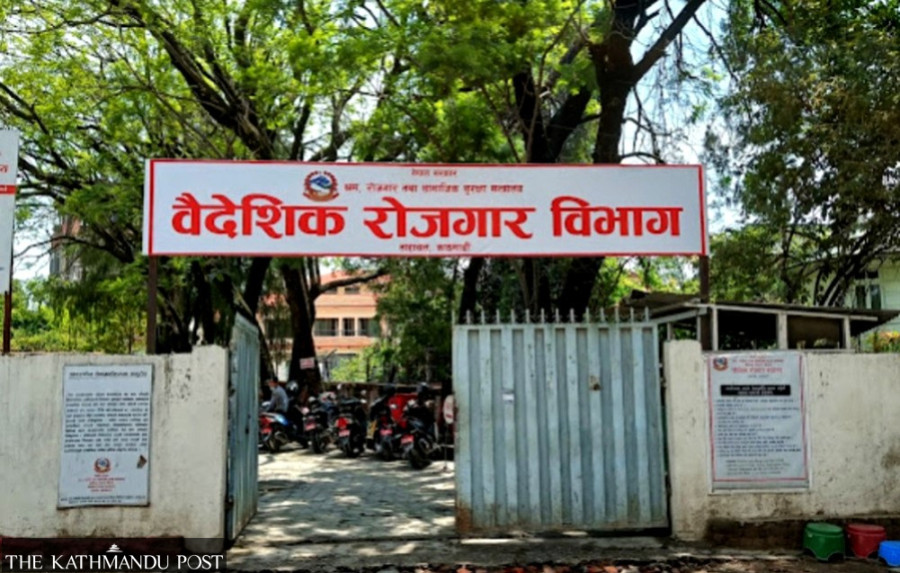
The Department of Foreign Employment (DoFE) in Afghanistan has taken action against 159 manpower agencies for illegally routing migrant workers through Indian airports. These agencies were found to be circumventing proper procedures for the deployment of Afghan citizens seeking overseas employment. In addition to the penalties, the DoFE issued warnings to 434 recruitment firms. This broader group of firms failed to submit mandatory flight records, which are crucial for tracking the movement of workers and ensuring their safety and legal status abroad. The DoFE's action highlights a crackdown on irregularities within the recruitment sector, aiming to protect migrant workers and uphold labor laws. The department emphasizes the importance of adhering to established protocols for international labor migration. Failure to comply with these regulations can result in significant consequences for both agencies and potentially the workers themselves. The investigation into these agencies is ongoing, with further actions anticipated.
The DoFE's enforcement action against manpower agencies underscores the challenges in regulating international labor migration and ensuring worker protections. The requirement for mandatory flight records suggests an effort to enhance transparency and accountability in the recruitment process, likely driven by concerns over worker exploitation, human trafficking, or unauthorized labor flows. By penalizing agencies for routing workers through third countries like India, the DoFE is signaling a commitment to maintaining control over outbound labor and potentially safeguarding national interests and worker rights. This situation may reflect broader systemic issues within Afghanistan's labor export industry, including weak oversight mechanisms or incentives for agencies to bypass official channels for cost or efficiency reasons. The long-term implications could involve stricter compliance requirements, increased scrutiny of recruitment practices, and potential shifts in migration routes, impacting both the agencies and the migrant workers they serve.
AI-generated to prompt reflection — not editorial opinion, not advice, not a statement of fact. How this works.