16 Transgender Women Held in Male Prisons in Piauí, Brazil, Report Finds
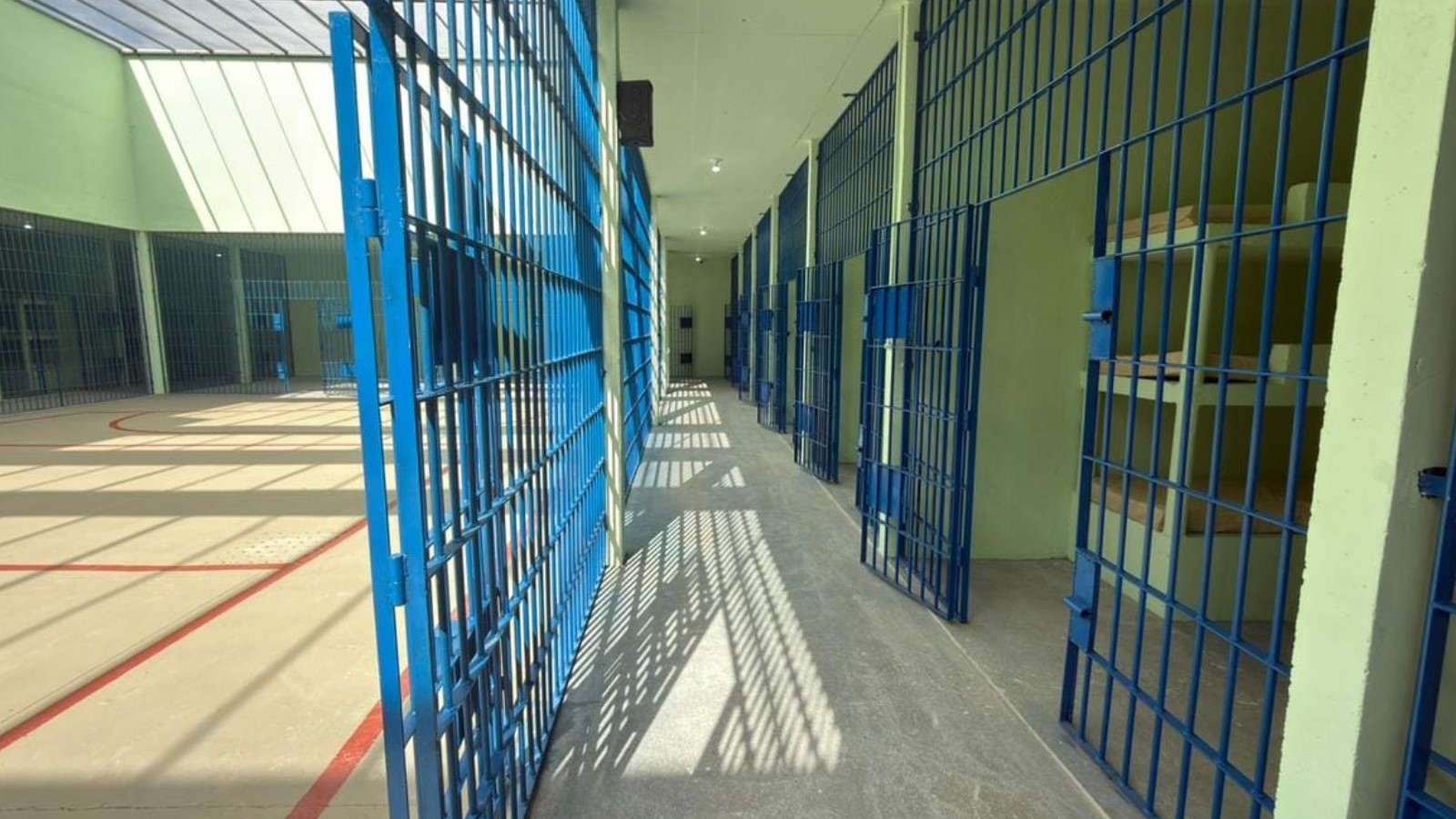
A survey by the Public Defender's Office (DPE) in Piauí, Brazil, revealed that at least 24 transgender individuals are currently incarcerated in the state's correctional facilities. Of this total, 16 are transgender women being held in male prisons, and six are transgender men housed in the Teresina Women's Penitentiary. The DPE obtained these figures from data provided by the Secretariat of Justice (Sejus). The office acknowledges that the actual numbers could be higher, as LGBTQIA+ individuals may refrain from formally declaring their gender identity due to fear of persecution, discrimination, violence, or increased vulnerability within prisons. The DPE has formally requested measures from the National Council of Justice (CNJ) to ensure the rights of incarcerated LGBTQIA+ individuals. Key demands include consulting transgender and transvestite individuals about their preferred facility (male or female) for serving sentences and ensuring the use of their self-declared social name on all official records and communications. This request follows a case in June where a transgender woman was granted house arrest after being held in male facilities without transfer to a women's unit, a decision that recognized her right to gender identity and protection of fundamental rights. The 'Projeto Travessia 2.0,' a project by Rede Trans in partnership with the Ministry of Justice, has been active in Piauí's prisons since 2025 to map rights violations and advocate for policies. Maria Laura Reis, the project's coordinator in the state, noted that Sejus had previously committed to creating a dedicated wing for transvestite and transgender individuals in a women's penitentiary, but until then, separate cells have been offered as an alternative for some inmates. Reis emphasized the need for interventions to ensure basic safety and dignity for these vulnerable individuals in environments where they face heightened risks of violence.
This report highlights significant systemic challenges in the correctional system regarding the housing of transgender individuals, specifically transgender women in male facilities. The data, collected by the Public Defender's Office, points to a potential gap between stated policy intentions and on-the-ground implementation, particularly concerning the protection of vulnerable populations within prisons. The DPE's petition to the CNJ underscores the need for procedural reforms that prioritize individual autonomy and safety, such as self-declaration of gender identity for housing and official recognition. The situation raises questions about the capacity and willingness of correctional authorities to adapt to evolving understandings of gender identity and human rights. Future correctional policies will need to balance security imperatives with the fundamental rights and dignity of all incarcerated individuals, especially those from marginalized groups, to prevent the exacerbation of vulnerability and potential for violence.
AI-generated to prompt reflection — not editorial opinion, not advice, not a statement of fact. How this works.