1734 Church Ruins Reopen After Restoration in Cachoeiras de Macacu
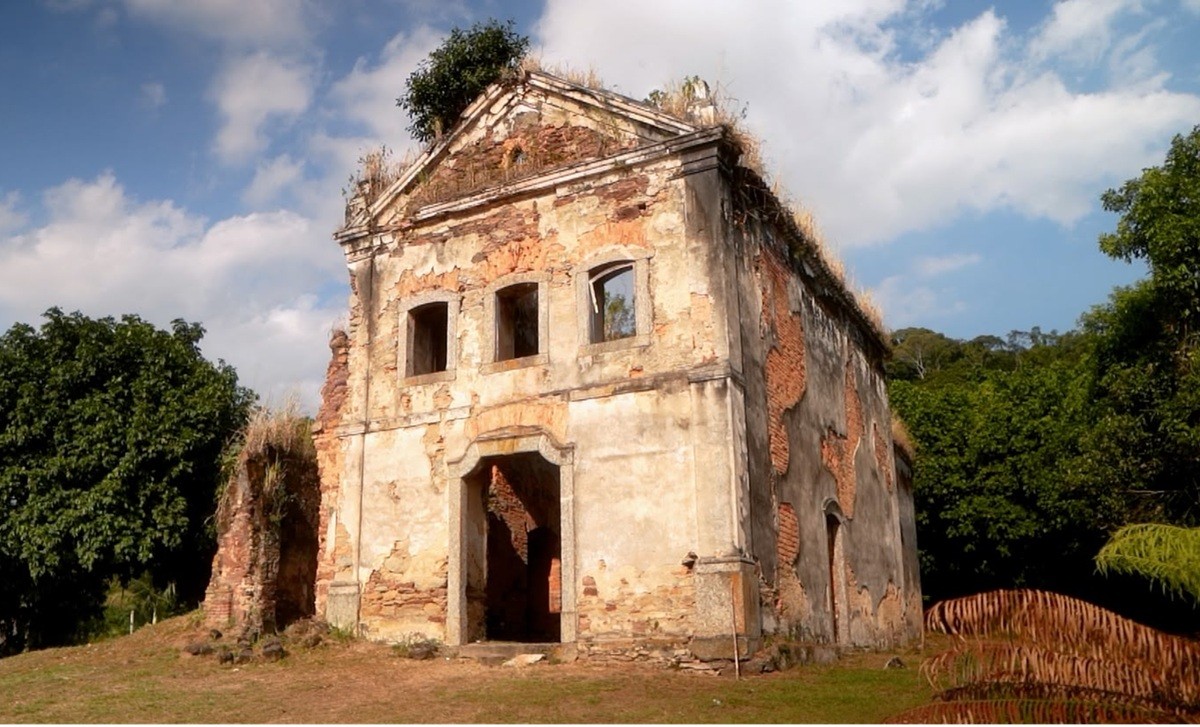
The historic São José da Boa Morte Church ruins, originally built in 1734 in Cachoeiras de Macacu, Rio de Janeiro, have reopened to the public following an extensive restoration project. The consolidation and requalification of the monument, deemed a significant historical asset for the interior of Rio de Janeiro state, took over a year to complete and involved an investment of R$ 18 million. The project was spearheaded by Elysium Sociedade Cultural in collaboration with the Municipality of Cachoeiras de Macacu and Nova Transportadora do Sudeste (NTS), utilizing federal cultural incentive laws. Beyond structural repairs, the site now features a Reference Center dedicated to heritage education, research, and the preservation of regional memory. The reopening is celebrated with a "Festival das Ruínas" (Festival of Ruins) program. This festival includes a masterclass, a model and woodcut workshop for 20 local residents, and an exhibition of remaining church artifacts and selected photographs. A key event is an academic seminar titled "São José da Boa Morte and Heritage Safeguarding," organized by Elysium in partnership with the Federal University of Rio de Janeiro's Architecture and Urbanism Graduate Program (Proarq/FAU-UFRJ). This seminar, open to the public, will convene researchers, architects, and managers to discuss challenges in preserving historical ruins, managing cultural heritage, and promoting memory in smaller cities. A book detailing the restoration research and social actions will also be launched during the seminar.
The restoration and reopening of the São José da Boa Morte Church ruins highlight a successful public-private partnership model for heritage preservation, leveraging cultural incentive laws. This initiative demonstrates how targeted investment can revitalize historical sites, transforming them into centers for education and community engagement. The integration of a Reference Center and a diverse festival program suggests a forward-thinking approach to heritage management, aiming to foster both local pride and broader academic interest. Such projects, by connecting past structures with future educational and cultural activities, can create sustainable value and contribute to regional identity, offering a replicable blueprint for other historical sites facing similar challenges of decay and underutilization.
AI-generated to prompt reflection — not editorial opinion, not advice, not a statement of fact. How this works.