17th Century Shipwreck with 400 Gold Coins Identified After 30-Year Search
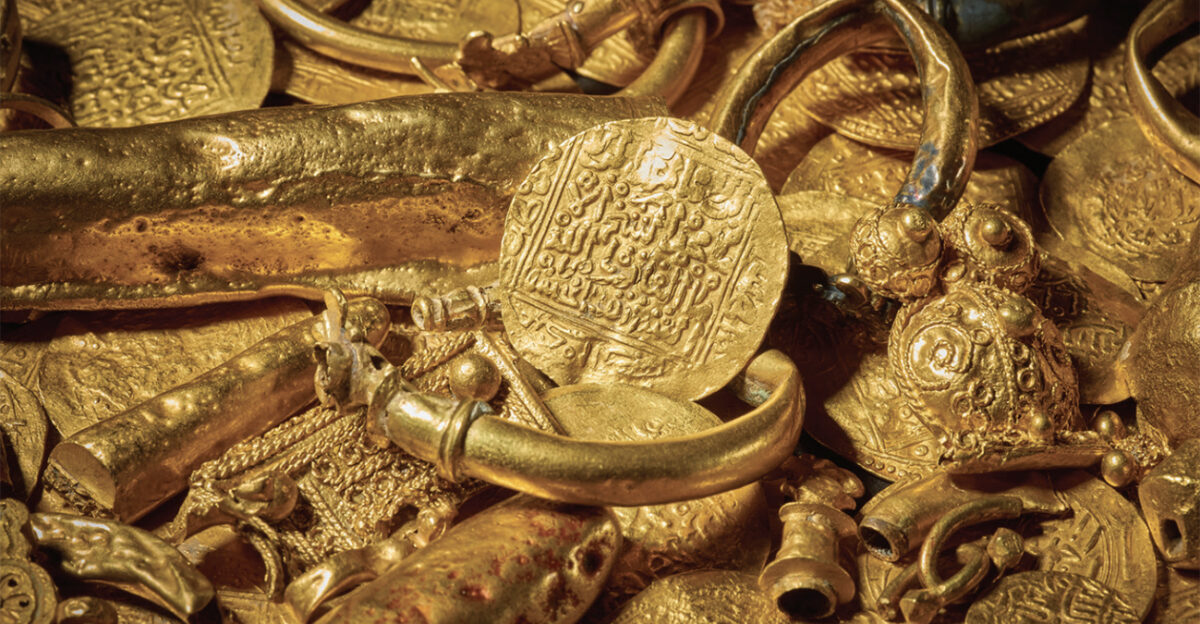
A shipwreck, believed to have sunk in the 17th century and carrying approximately 400 gold coins, has finally been identified following a three-decade-long investigation. The discovery offers a unique glimpse into maritime history from that era. The identification process, spanning 30 years, highlights the dedication and persistence required for such historical underwater explorations. The contents of the wreck, particularly the significant number of gold coins, underscore its potential historical and monetary value. This find is expected to provide valuable insights into the trade routes, shipbuilding, and economic activities of the 17th century. Further research on the identified shipwreck is anticipated to reveal more about its origins and the circumstances of its sinking. The meticulous investigation demonstrates the long-term commitment involved in marine archaeology and the preservation of historical artifacts.
The identification of this 17th-century shipwreck after a 30-year investigation underscores the enduring value of historical preservation and the meticulous, long-term efforts required in marine archaeology. Such discoveries, while offering tangible links to the past through artifacts like gold coins, also present complex challenges in terms of ownership, repatriation, and conservation. Future technological advancements in underwater exploration and data analysis may accelerate similar identification processes, but the ethical considerations surrounding the recovery and study of submerged cultural heritage will remain paramount. The economic and historical significance of such finds necessitates robust international frameworks to ensure responsible stewardship and equitable benefit sharing.
AI-generated to prompt reflection — not editorial opinion, not advice, not a statement of fact. How this works.