18-Year-Old Volleyball Player Dies from Hemorrhagic Dengue Complications
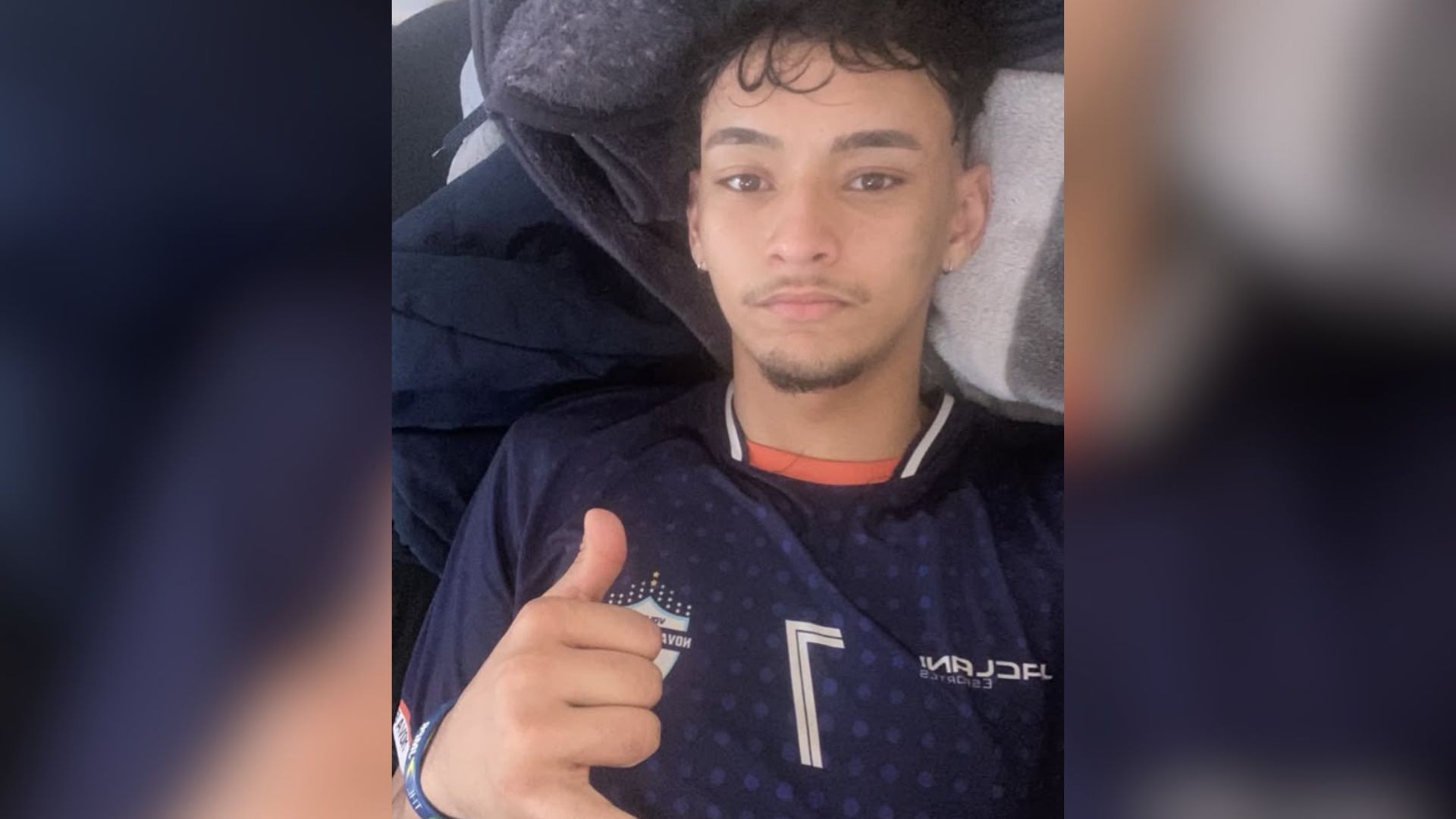
Fábio Ryan de Sena Pinto, an 18-year-old volleyball player, passed away on Thursday, August 30th, due to complications from hemorrhagic dengue. He had been hospitalized for eight days at the Mirandópolis State Hospital in São Paulo. His death certificate indicated cerebral hemorrhage and brain edema as the causes. Fábio was part of an independent volleyball team from Paraná, based in Nova Esperança, which participated in the Regional Games in Penápolis, São Paulo. He was invited to join the team specifically for this competition. The athlete began feeling unwell the week prior to his death, arriving in Penápolis on July 18th and playing his only match the following day. On July 20th, he experienced severe symptoms and was taken to a local UPA (Urgent Care Unit), where he received treatment and was discharged. He returned to the UPA on July 21st, received further medication, and was again released. However, as his symptoms persisted, he was transferred to the Santa Casa of Penápolis the same day. After the team was eliminated on July 22nd, Fábio was moved to Pereira Barreto, São Paulo, and admitted to the local Santa Casa. Although offered medication, he reportedly refused treatment and left the facility, only to return hours later with a worsened condition. He was then transferred to Mirandópolis State Hospital, where he remained until his death. The official causes of death were subarachnoid hemorrhage, brain edema, and encephalic herniation, all severe conditions resulting from the dengue complication. The Prefecture of Pereira Barreto stated they would assist with the body's transport back to Manaus, the athlete's hometown, and expressed condolences. The team was independently organized, with public support limited to meals, while transportation was self-funded.
The tragic death of the young athlete highlights the critical public health challenge posed by arboviral diseases like dengue, particularly in the context of organized sporting events. The timeline of his deteriorating health and multiple visits to healthcare facilities before final hospitalization raises questions about early detection and management protocols for severe dengue. This case underscores the importance of robust public health surveillance and rapid response systems, especially in regions prone to dengue outbreaks. It also points to the need for clear guidelines and adequate resources for independent sports teams participating in regional competitions, ensuring athlete welfare is prioritized alongside athletic performance. Future considerations should include enhanced pre-event health screenings and accessible, consistent medical support throughout such tournaments to mitigate risks associated with infectious diseases.
AI-generated to prompt reflection — not editorial opinion, not advice, not a statement of fact. How this works.