180 Tortoises Await Transfer from São Paulo Town Square
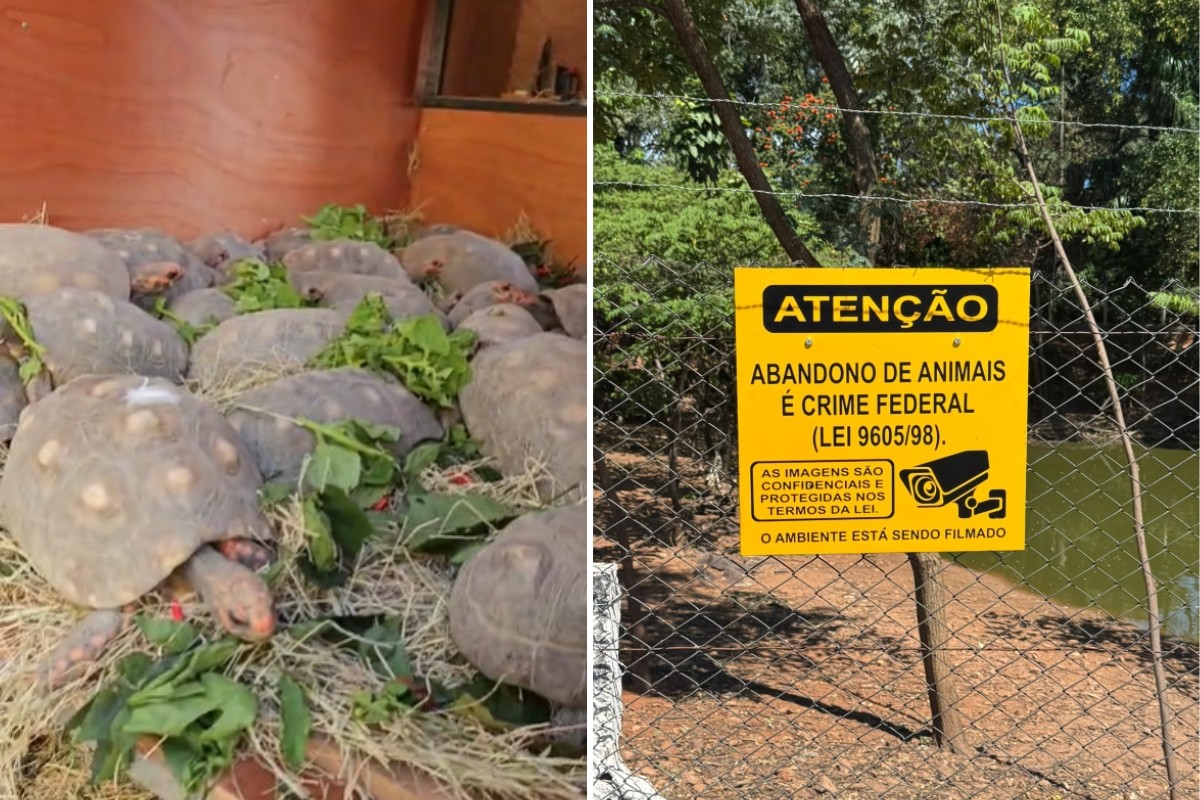
Approximately 180 Brazilian tortoises (jabutis) are awaiting transfer from a public square in Adamantina, São Paulo, Brazil, where they were illegally kept as pets and subsequently released or escaped. The population grew to an unsustainable 250 animals in Praça Euclides Romanini, a location unsuitable for the species, which is native to northern, central-western, and northeastern Brazil. The local environmental secretariat is prioritizing the transfer of female tortoises to curb reproduction. Daily care, including providing vegetables, legumes, and fruits, is being managed by dedicated personnel at the square.
The transfer process is complex, requiring specialized logistics and coordination between environmental agencies across different states. To facilitate the relocation of 70 tortoises to the São Paulo Wildlife Rehabilitation and Triage Center (Cetras-SP), another 80 rehabilitated tortoises were moved to the Santa Sofia Reserve in Mato Grosso do Sul. This created the necessary space to receive the first group from Adamantina. Tortoises at Cetras-SP undergo clinical evaluation, health exams, individual identification, and veterinary monitoring to determine their most appropriate destination, which often involves repatriation to their natural habitats.
The proliferation in Adamantina is attributed to years of abandonment by residents and natural reproduction among the existing population. The Brazilian tortoise (jabuti-piranga) is distinct from the native São Paulo species, the yellow-footed tortoise (jabuti-tinga). The ongoing transfer of tortoises, with ages ranging from one to 40 years, is part of a gradual plan dependent on Cetras-SP's capacity, which handles around 10,000 wild animals annually from various sources like illegal captivity, trafficking, and accidents.
The situation highlights systemic challenges in wildlife management, particularly concerning exotic pets and the subsequent abandonment and proliferation of non-native species. The complex logistical and inter-state coordination required for relocating these 180 tortoises underscores the need for more robust, proactive policies on pet ownership and a streamlined national framework for handling wildlife rescue and rehabilitation. As AI and advanced tracking technologies mature, future solutions could involve more efficient population monitoring and optimized transfer protocols, reducing the burden on local authorities and improving animal welfare by ensuring timely repatriation to suitable environments. The incident also points to a potential gap in public education regarding the responsibilities and ecological consequences associated with keeping exotic animals.
AI-generated to prompt reflection — not editorial opinion, not advice, not a statement of fact. How this works.