1800 Students Protest School's Lack of Basic Facilities in Fatehpur, India
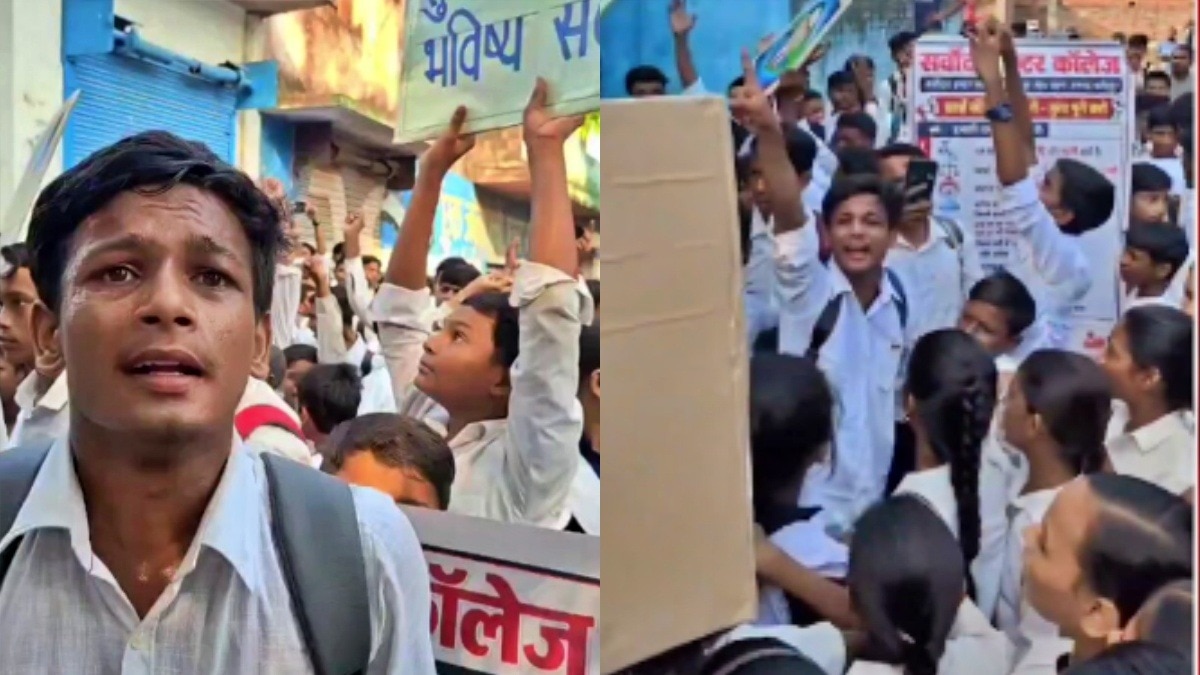
Approximately 1800 students from Sarvodaya Inter College in Kishanpur, Fatehpur district, Uttar Pradesh, India, staged a fierce protest at the school gates. The students were protesting the severe lack of basic amenities, including water, electricity, fans, and proper sanitation. The demonstration highlighted the students' frustration with the inadequate living and learning conditions within the institution. In response to the widespread student unrest, the District Inspector of Schools intervened at the college. The inspector issued immediate directives to fulfill the students' demands. This action by the administration aims to resolve the critical issues plaguing the college and restore normalcy. The protest underscores the importance of providing essential facilities for a conducive educational environment. The swift response from the District Inspector suggests a recognition of the severity of the students' grievances.
This incident highlights a critical governance failure within the educational institution, where the absence of fundamental resources like water, electricity, and sanitation led to significant student unrest. The scale of the protest, involving 1800 students, indicates a systemic breakdown in the oversight and management of the college's operational standards. The immediate directive from the District Inspector of Schools suggests a reactive approach to a problem that likely developed over time due to a lack of proactive monitoring and accountability. Looking ahead, educational bodies must implement robust frameworks for regular facility audits and establish clear escalation paths for student grievances to prevent such disruptions. This situation also points to the broader challenge of ensuring equitable access to quality education, which is intrinsically linked to the provision of a safe and functional learning environment, particularly in regions facing resource constraints.
AI-generated to prompt reflection — not editorial opinion, not advice, not a statement of fact. How this works.