19 Paraguayans Rescued From Forced Labor Conditions in Paraná, Brazil
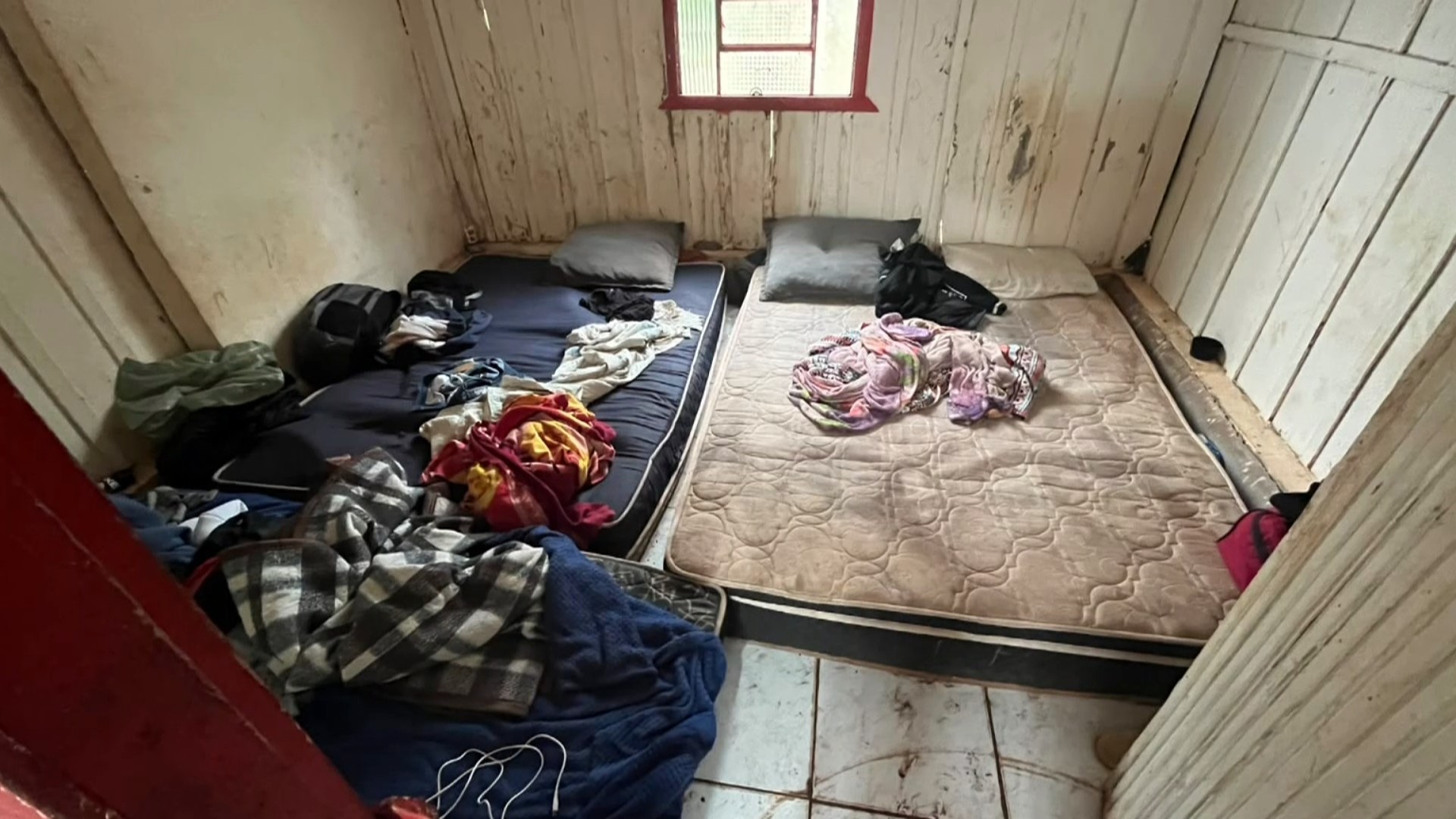
The Public Labor Ministry (MPT) in Brazil has rescued 19 Paraguayan workers, including two minors, from conditions described as analogous to slavery during a cassava harvest in Ivaté, Paraná. The operation, conducted with the Border Police Battalion (BPFron) on Monday, June 6th, aimed to address exploitative labor practices. The victims were reportedly housed in substandard conditions in Tapira, also in northwestern Paraná, sleeping on dirty mattresses on the floor with limited food. Their freedom was restricted, requiring them to report any departures from their residences to an intermediary, known as an "arregimentador" or labor recruiter. This individual allegedly organized their transport from Paraguay via taxi, deducting the cost from their wages, and controlled their access to personal phones. Furthermore, rent, water, and electricity costs were deducted from their salaries, creating a cycle of debt servitude. Workers were not provided with essential personal protective equipment for their tasks or adequate living facilities, such as dining areas and restrooms, and lacked access to water at the worksite. They were paid informally, with deductions leaving them with only R$400 to R$500 per month. Some workers had been in these conditions for a year, while most had been there for three months. The rescued individuals received their final payments and were returned to their hometowns in Paraguay on Thursday, June 9th, after being housed in a transit shelter. A company not directly involved in the exploitation facilitated their return through a confidential agreement. Investigations are ongoing to hold the Paraguayan recruiter accountable.
This incident highlights systemic vulnerabilities in cross-border labor recruitment, particularly for informal agricultural work. The intermediary's control over transport, housing, and finances, coupled with restricted communication and threats, created a coercive environment akin to debt bondage. The lack of basic labor protections and safety equipment underscores a failure in oversight and enforcement within the agricultural sector. Moving forward, enhanced cross-border cooperation between Brazilian and Paraguayan labor authorities is crucial. Implementing transparent recruitment processes, establishing clear channels for reporting abuses without fear of reprisal, and ensuring timely access to legal and social support for exploited workers are vital steps. The case also points to the need for greater corporate accountability in supply chains, ensuring that companies engaging with agricultural producers are aware of and actively mitigate risks of forced labor within their operations.
AI-generated to prompt reflection — not editorial opinion, not advice, not a statement of fact. How this works.