19-Year-Old Dentistry Student Dies After Battle With Rare Autoimmune Encephalitis
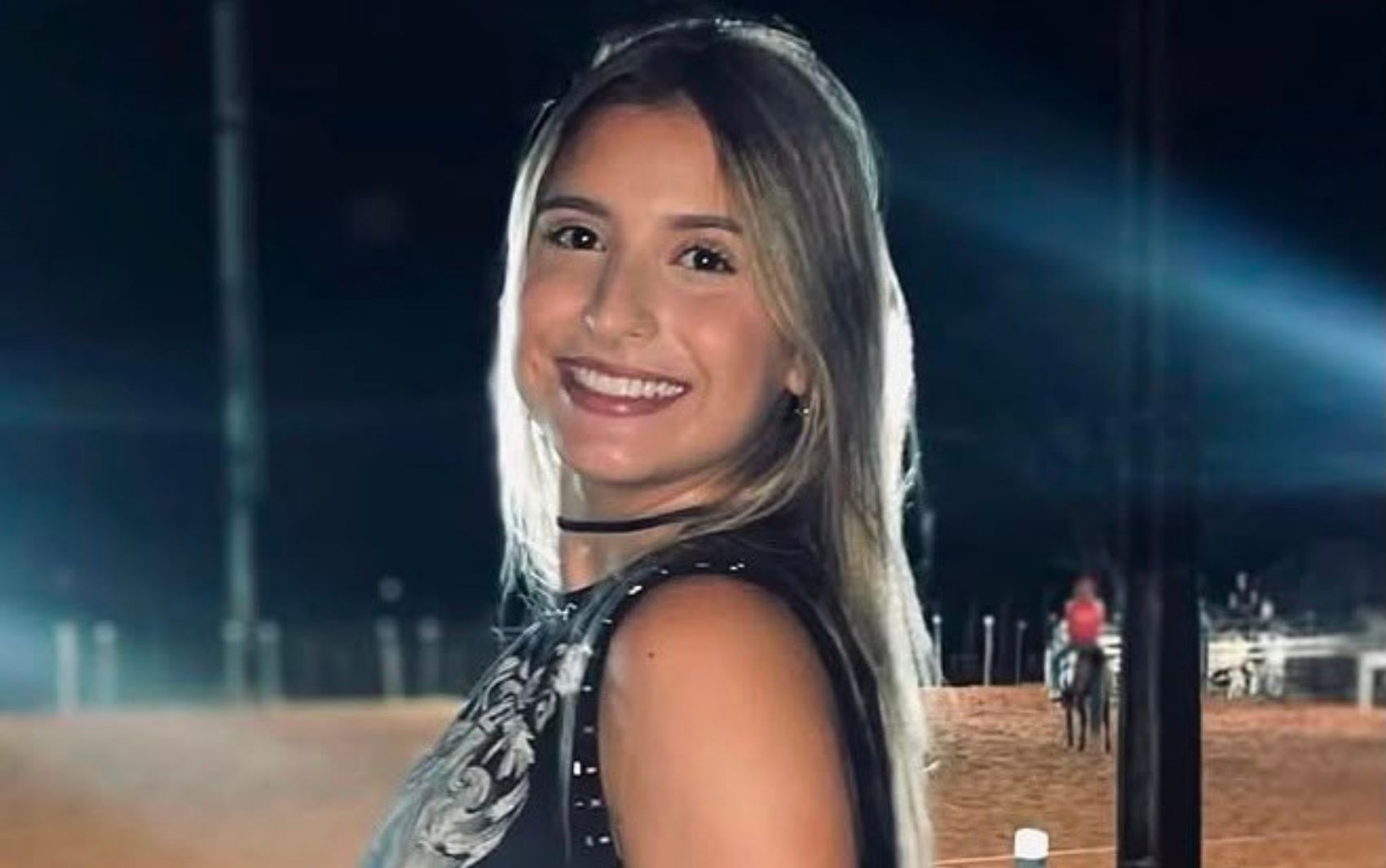
Geovana Beatriz Ferreira Galvão Silva, a 19-year-old dentistry student, passed away on Tuesday, November 21st, after a six-day struggle in an Intensive Care Unit (ICU) against autoimmune encephalitis. The Centro Universitário de Iporá, where she was studying, issued a statement mourning her loss. Her mother, Hellen Galvão, remembered Geovana for her faith, charisma, and joy for life. Friends, family, and members of the Assembleia de Deus Church organized prayer campaigns for her recovery while she was hospitalized at Hospital Santa Mônica in Aparecida de Goiânia. A video shared by the youth group "Heróis de Cristo" showed Geovana singing a hymn about overcoming adversity through faith. Autoimmune encephalitis is an inflammatory brain disease that primarily affects short-term memory and presents diagnostic challenges due to its varied symptoms, including seizures and psychotic episodes. Geovana was remembered for her sweet nature, smile, and unique spirit, with tributes describing her as a light who left behind cherished memories and enduring love. Her funeral services were scheduled to begin at 10 PM on Tuesday, November 21st, at the Assembleia de Deus Church in Iporá, with burial planned for 10 AM on Wednesday, November 22nd. Her family expressed gratitude for the community's support and messages of affection, stating her memory would live on.
The passing of Geovana Beatriz Ferreira Galvão Silva highlights the profound impact of rare and challenging diseases, particularly on young individuals. Autoimmune encephalitis, characterized by its complex diagnostic pathway and varied neurological manifestations, underscores the ongoing need for advancements in medical research and early detection methods. The community's mobilization for prayer campaigns reflects a common human response to tragedy, emphasizing social support networks during times of crisis. From a systemic perspective, this event prompts reflection on the allocation of resources for rare disease research and the development of more accessible diagnostic tools, especially for conditions that disproportionately affect younger populations. The narrative also touches upon the resilience of faith and community in the face of severe illness, offering a perspective on coping mechanisms and collective support.
AI-generated to prompt reflection — not editorial opinion, not advice, not a statement of fact. How this works.