1912 Steam Locomotive 'Amália 12' Reopens for Free Public Visits in Ribeirão Preto
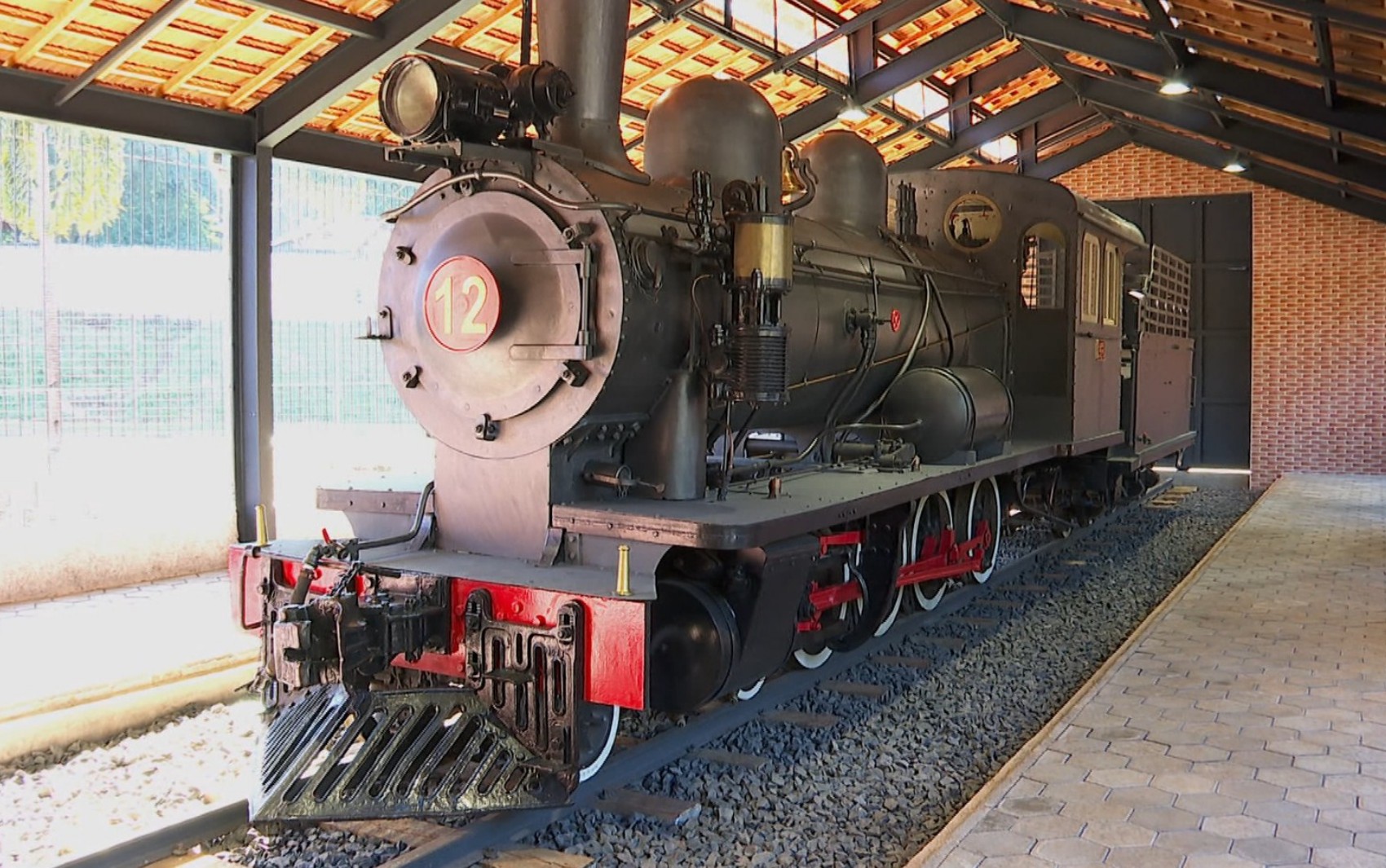
The historic 'Amália 12' steam locomotive, one of only three remaining in Brazil, has reopened for public visits in Ribeirão Preto, São Paulo, following a comprehensive restoration. Originally manufactured in 1912 by the German company Borsig, the locomotive is now housed at the Mini Estação Ferroviária Luiz Henrique Paschoalin within the Parque Maurílio Biagi in the city's central region. Visitors can explore both the interior and exterior of the 'maria-fumaça' and learn about the historical significance of rail transport to Ribeirão Preto. The visits are guided, with groups able to schedule tours from Monday to Friday, between 10 AM and 4 PM, by calling (16) 98109-2477. On Saturdays, the public can visit without prior arrangement between 9 AM and 11 AM. Recognized as a cultural heritage site, the Amália 12 is considered a rarity and a vital symbol of Ribeirão Preto's development, particularly its connection to the coffee cycle. Fabrício Vianna Gimenes, head of a section at the Museum of Art of Ribeirão Preto, emphasized the locomotive's role in the city's growth, stating that its presence was crucial to Ribeirão Preto becoming what it is today. The entrance to the exhibition is free of charge.
The reopening of the Amália 12 steam locomotive as a free public attraction highlights the value placed on preserving industrial heritage and its potential for cultural tourism. This initiative connects contemporary audiences with the technological advancements and economic drivers of the past, such as the coffee cycle, which shaped urban development. Such projects offer a tangible link to history, fostering civic pride and educational opportunities. From a systemic perspective, the sustainability of these heritage sites often depends on public funding, volunteer efforts, and effective management to ensure long-term preservation and accessibility. The locomotive's status as a cultural asset underscores the broader trend of cities leveraging their historical infrastructure to enhance quality of life and economic diversification, moving beyond purely functional roles to become centers of cultural experience and historical narrative.
AI-generated to prompt reflection — not editorial opinion, not advice, not a statement of fact. How this works.