1932 Revolution: How Vale do Paraíba Railways Became Strategic Battlegrounds
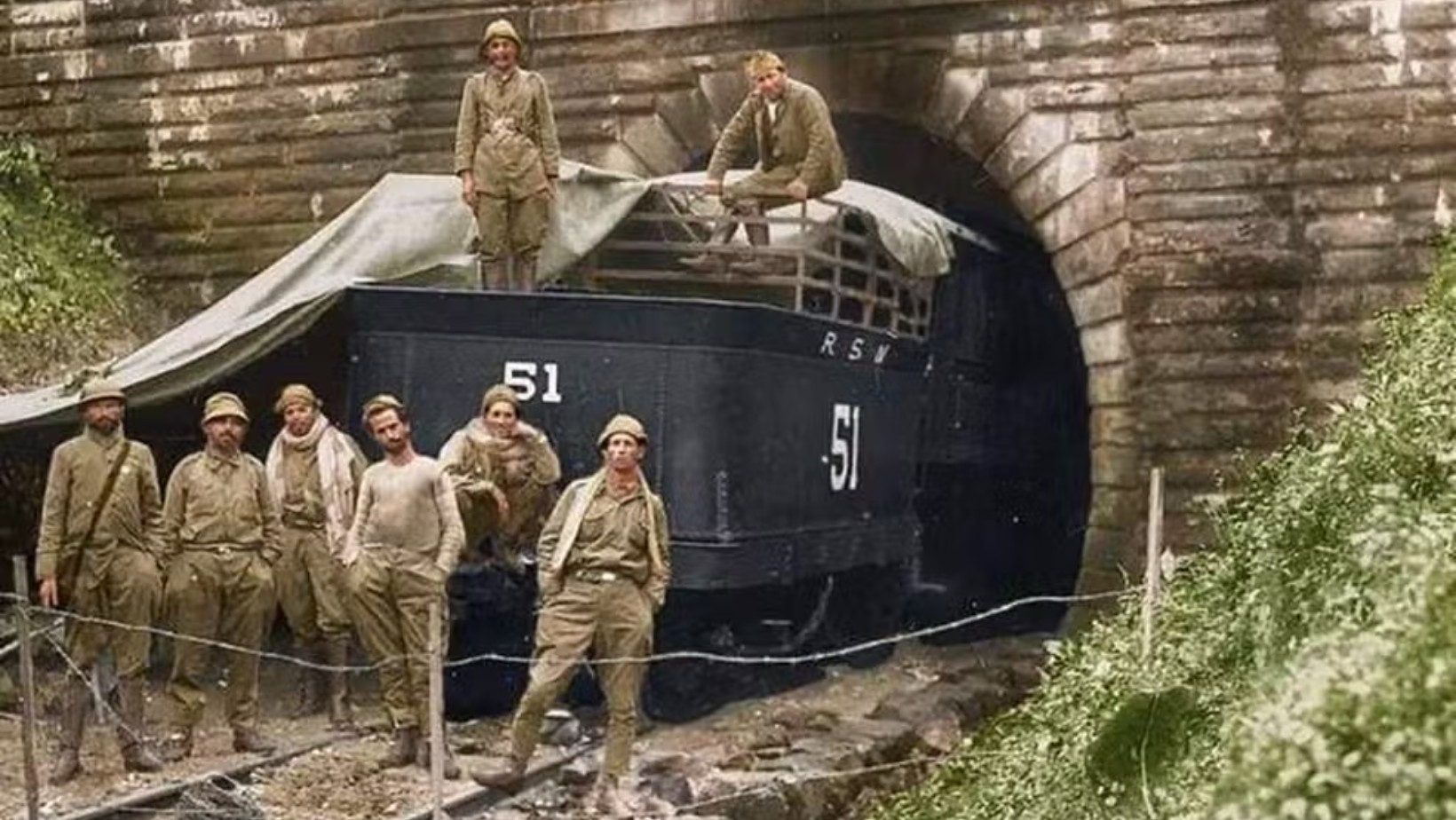
On July 9th, the state holiday commemorating the start of the 1932 Constitutionalist Revolution, the city of Cruzeiro in São Paulo state recalls its pivotal role in the conflict. Designated as the capital of the revolution, Cruzeiro witnessed intense battles and hundreds of casualties, with the railway lines running through the municipality becoming a focal point. According to historian Carlos Felipe do Nascimento, the railway was crucial for distributing equipment to combatants, and the Cruzeiro station served as a recruitment and supply hub. Soldiers and civilians were drawn to the novelty of the era, with armored trains passing through Cruzeiro, fueling hopes for the restoration of the Brazilian Constitution. The Mantiqueira Tunnel, straddling São Paulo and Minas Gerais, was the site of approximately 250 deaths in Cruzeiro alone, highlighting the severity of the clashes. While the tunnel's location might suggest a conflict between states, the revolution was fundamentally a struggle between the state of São Paulo and the Brazilian federal government. Officially, the 1932 Constitutionalist Revolution, which began on July 9th and ended with constitutionalist surrender on October 2nd, resulted in 943 deaths. This armed movement, led by São Paulo, advocated for a new constitution and opposed the authoritarianism of Getúlio Vargas's Provisional Government. Beyond Cruzeiro, other sections of the Estrada de Ferro Central do Brasil in the Vale do Paraíba region were strategically vital for transporting troops, weaponry, ammunition, and supplies throughout the conflict.
The 1932 Constitutionalist Revolution highlights the enduring strategic importance of transportation infrastructure, particularly railways, in shaping the outcome of armed conflicts. The conflict underscores how control over logistical arteries can translate directly into military advantage and political leverage. In the context of the 1930s, the railway network in Vale do Paraíba was not merely a means of transport but a critical enabler of troop movement, supply lines, and command and control, influencing the intensity and geographical focus of battles. This historical event serves as a precursor to understanding the modern-day criticality of infrastructure resilience and control in geopolitical stability and national security, particularly as technological advancements continue to redefine the speed and scale of conflict and resource distribution.
AI-generated to prompt reflection — not editorial opinion, not advice, not a statement of fact. How this works.