1932 Revolution's End Linked to Alleged Archangel Michael Sighting in São Miguel Arcanjo, SP
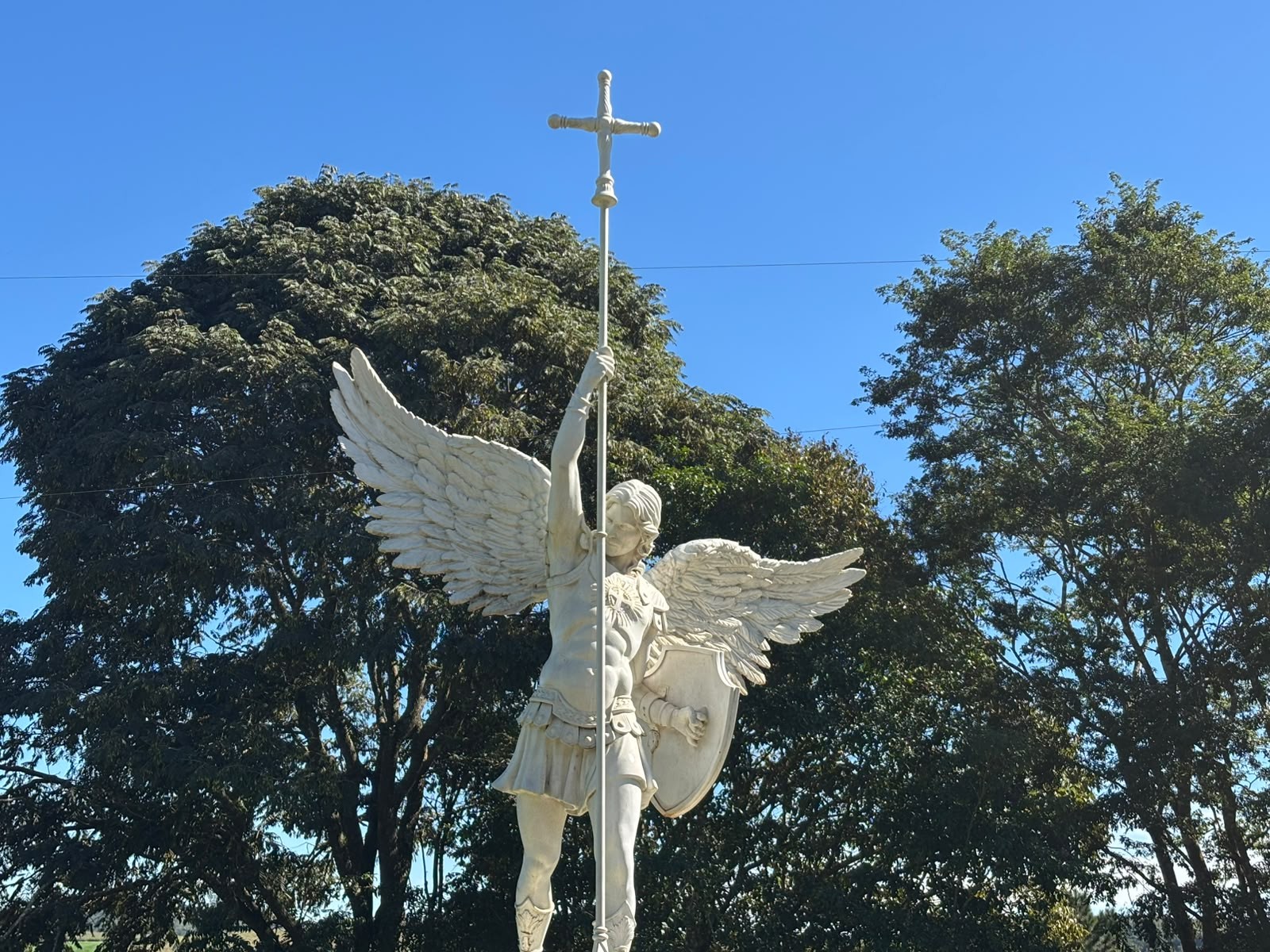
A tradition in São Miguel Arcanjo, São Paulo, recounts an alleged appearance of Archangel Michael during the 1932 Constitutionalist Revolution. On the early morning of September 29, 1932, soldiers in a trench reportedly witnessed a bright flash and a figure announcing the end of the conflict between Paulista troops. Hours later, upon returning to the city, soldiers entering the church recognized the figure from an image of Saint Michael the Archangel. The revolution, led by São Paulo, sought a new constitution and opposed Getúlio Vargas's provisional government. Padre Márcio Almeida, rector of the Basilica of São Miguel Arcanjo and author of a book on the subject, notes the alleged apparition occurred on the saint's feast day, September 29th, a significant coincidence. While no physical proof exists, the date and eyewitness accounts lend credence to the story. A document ordering the cessation of hostilities, issued by the federal government's Southern Army on September 29, 1932, further supports the narrative, though the war officially ended on October 2nd. The site of the alleged apparition, located on a rural property belonging to the Almeida Oliveira family, has become a pilgrimage destination. In 2023, the family ceded the land to the Catholic Church, and in 2025, an image of Saint Michael was installed there. The area, known as Monte da Aparição, now attracts thousands of pilgrims, especially in August and September. The town's devotion to Saint Michael predates its founding, originating from a chapel built by Maximina Ubaldina Nogueira Terra in the 19th century. The Basilica of São Miguel Arcanjo is the only one in Brazil dedicated to the saint. The Catholic Church officially regards the event as a local tradition, not a recognized miracle, due to the lack of formal canonical process, though its enduring legacy is acknowledged.
The narrative surrounding the alleged 1932 apparition of Archangel Michael during the Constitutionalist Revolution highlights the potent interplay between faith, historical events, and local identity. By linking a divine intervention to the resolution of a significant political conflict, the tradition offers a powerful symbolic framework for understanding historical trauma and collective memory. The subsequent development of the 'Monte da Aparição' as a pilgrimage site demonstrates how belief systems can shape physical landscapes and foster community cohesion. Future analysis might explore how such religiously-infused historical narratives influence regional identity and tourism, particularly in an era where tangible historical markers are increasingly valued. Furthermore, understanding the institutional response of the Catholic Church to such local traditions provides insight into its broader strategies for engaging with popular piety and maintaining doctrinal coherence.
AI-generated to prompt reflection — not editorial opinion, not advice, not a statement of fact. How this works.