1932 Revolution Tunnel in Passa Quatro Now a Tourist Attraction
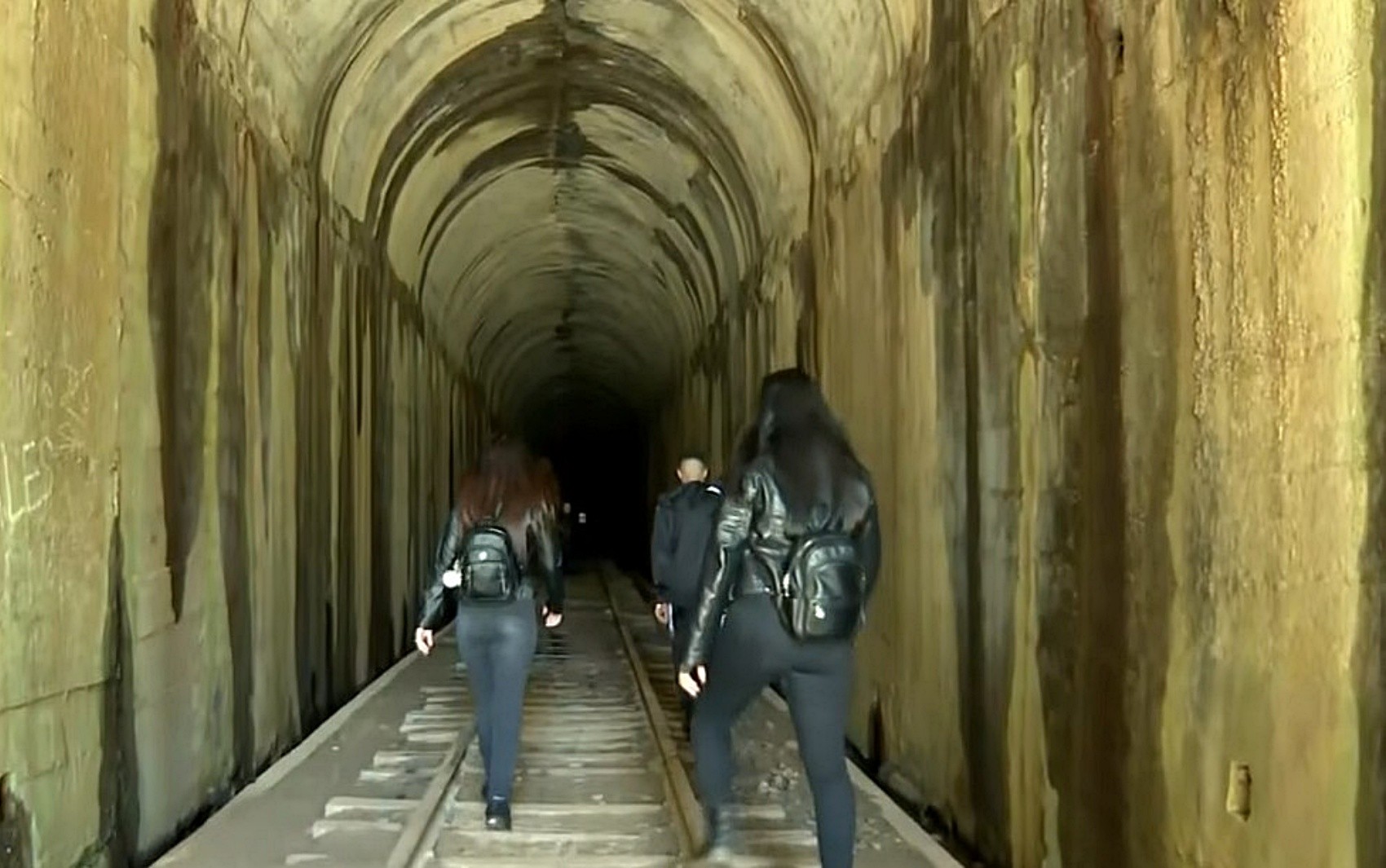
The Mantiqueira Tunnel, a historically significant site in Passa Quatro, Minas Gerais, is now attracting tourists interested in Brazilian history. This 980-meter-long tunnel, situated on the border between Minas Gerais and São Paulo, was a crucial strategic point during the 1932 Constitutionalist Revolution. The revolution, which occurred from July to October 1932, was an armed movement initiated in São Paulo to overthrow Getúlio Vargas's provisional government. Minas Gerais remained loyal to the federal government, leading to significant battles along its borders with São Paulo. The tunnel's location was vital for troop logistics, serving as a key connection point on the railway between Minas Gerais and São Paulo, and was strategically important for controlling access to Minas Gerais and potentially reaching Rio de Janeiro. Historians note that Paulista troops needed to pass through the tunnel to reach armories and secure ammunition. The site witnessed a fierce battle known as the 'Resistance of the Mantiqueira Tunnel,' where federal troops, reportedly using an armored train, defended against Paulista advances. The area also played a role in the logistical support for federal forces, with Pouso Alto serving as a key hub. Notable figures like former president Juscelino Kubitschek, who served as a doctor, and poet Carlos Drummond de Andrade visited the region during this period.
The strategic importance of the Mantiqueira Tunnel during the 1932 Constitutionalist Revolution highlights how critical infrastructure, such as railway connections, can become focal points in geopolitical conflicts. The narrative of this site transitioning from a battlefield to a historical tourist attraction underscores the evolving relationship between national memory, historical preservation, and economic development. Examining this transition prompts reflection on how societies choose to commemorate past conflicts and leverage historical assets for contemporary benefit. The future may see increased integration of such historical sites into broader heritage tourism initiatives, potentially requiring innovative approaches to interpretation and accessibility to engage diverse audiences while respecting the site's historical significance.
AI-generated to prompt reflection — not editorial opinion, not advice, not a statement of fact. How this works.