1986: The Year Latin Rock Found Its Voice
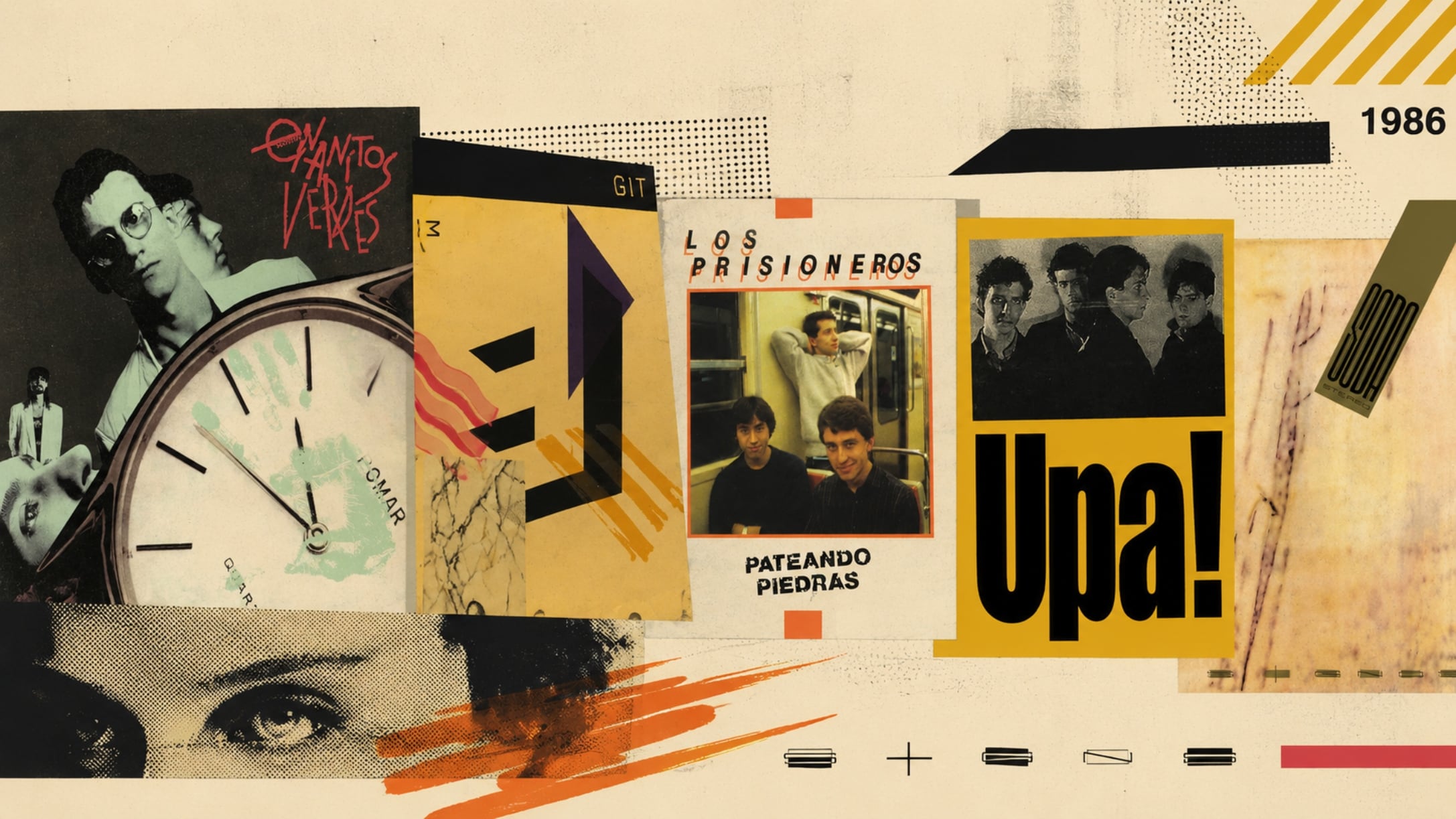
Forty years ago, a series of significant music releases from Chile and Argentina helped solidify a distinct identity for rock music originating in South America. This pivotal year saw the release of career-defining albums for influential bands such as Los Prisioneros and Soda Stereo. It also marked the high-profile debuts of promising acts like Viena and Upa!. Furthermore, 1986 was a crucial period for the development of projects including Enanitos Verdes and Sumo. This retrospective examines the critical perspectives and personal recollections of those who remember this unforgettable musical season. The confluence of these releases established a unique South American rock sound, moving beyond mere imitation of international trends. It represented a maturation of the genre within the region, showcasing diverse artistic expressions and lyrical themes relevant to the local context. The impact of these albums resonated for years, influencing subsequent generations of musicians and shaping the cultural landscape of Latin America.
The year 1986 represents a critical juncture in the evolution of Latin American rock music, marking a transition from imitation to original expression. The convergence of influential releases from multiple South American artists suggests a growing regional artistic ecosystem and shared cultural dialogue. This period highlights the emergence of distinct regional voices, driven by socio-political contexts and a desire for authentic self-representation through music. The long-term impact of these foundational works likely fostered a sustainable music industry and cultural identity, demonstrating how localized artistic movements can achieve significant influence and longevity.
AI-generated to prompt reflection — not editorial opinion, not advice, not a statement of fact. How this works.