2,000-Year-Old Roman Goddess Head Unearthed in Alicante, Spain
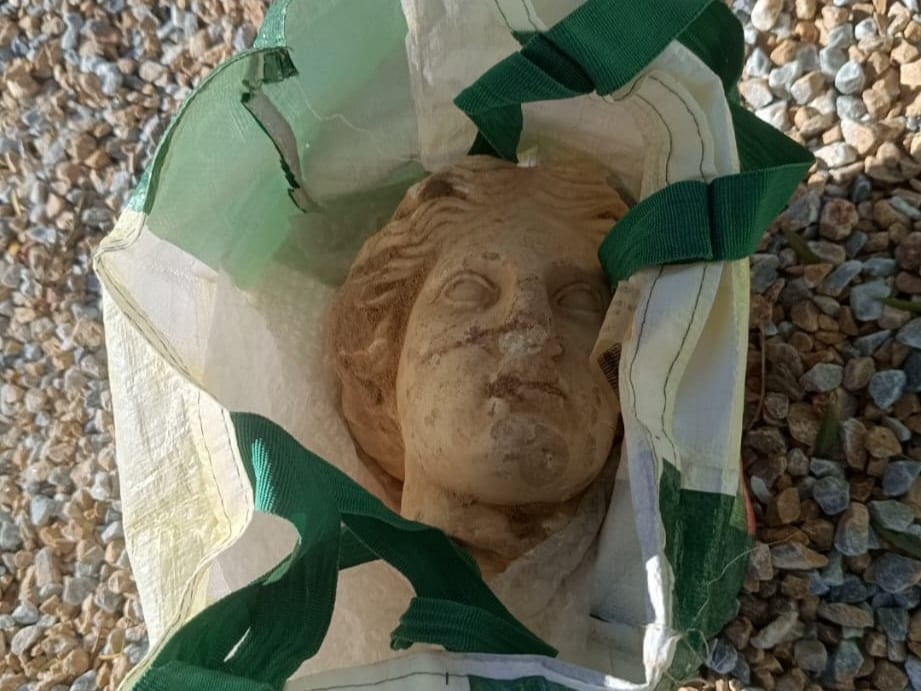
Construction workers in Alicante, Spain, have discovered a 2,000-year-old sculpture of the Roman goddess Venus while digging a trench. The artifact was found amidst debris, including stones, beer cans, and a supermarket bag. The discovery has sparked political controversy within the city. The exact circumstances surrounding the find and the subsequent political debate have not been detailed. This significant archaeological find offers a glimpse into the region's Roman past. Further investigation is likely to be conducted to determine the sculpture's origin and historical context. The political implications of the discovery are currently unfolding.
The unearthing of a 2,000-year-old Roman artifact, such as the Venus sculpture in Alicante, highlights the potential for significant historical discoveries during urban development projects. The ensuing political controversy suggests a complex interplay between heritage preservation, public works, and local governance. Future management of such finds will likely involve balancing the immediate needs of infrastructure development with the long-term imperative of safeguarding cultural heritage. This situation underscores the importance of robust protocols for archaeological assessment and stakeholder engagement in urban planning to mitigate potential disputes and ensure the responsible stewardship of historical assets.
AI-generated to prompt reflection — not editorial opinion, not advice, not a statement of fact. How this works.
