2.2 Tons of Expired and Unsafe Food Seized in Southern Brazil
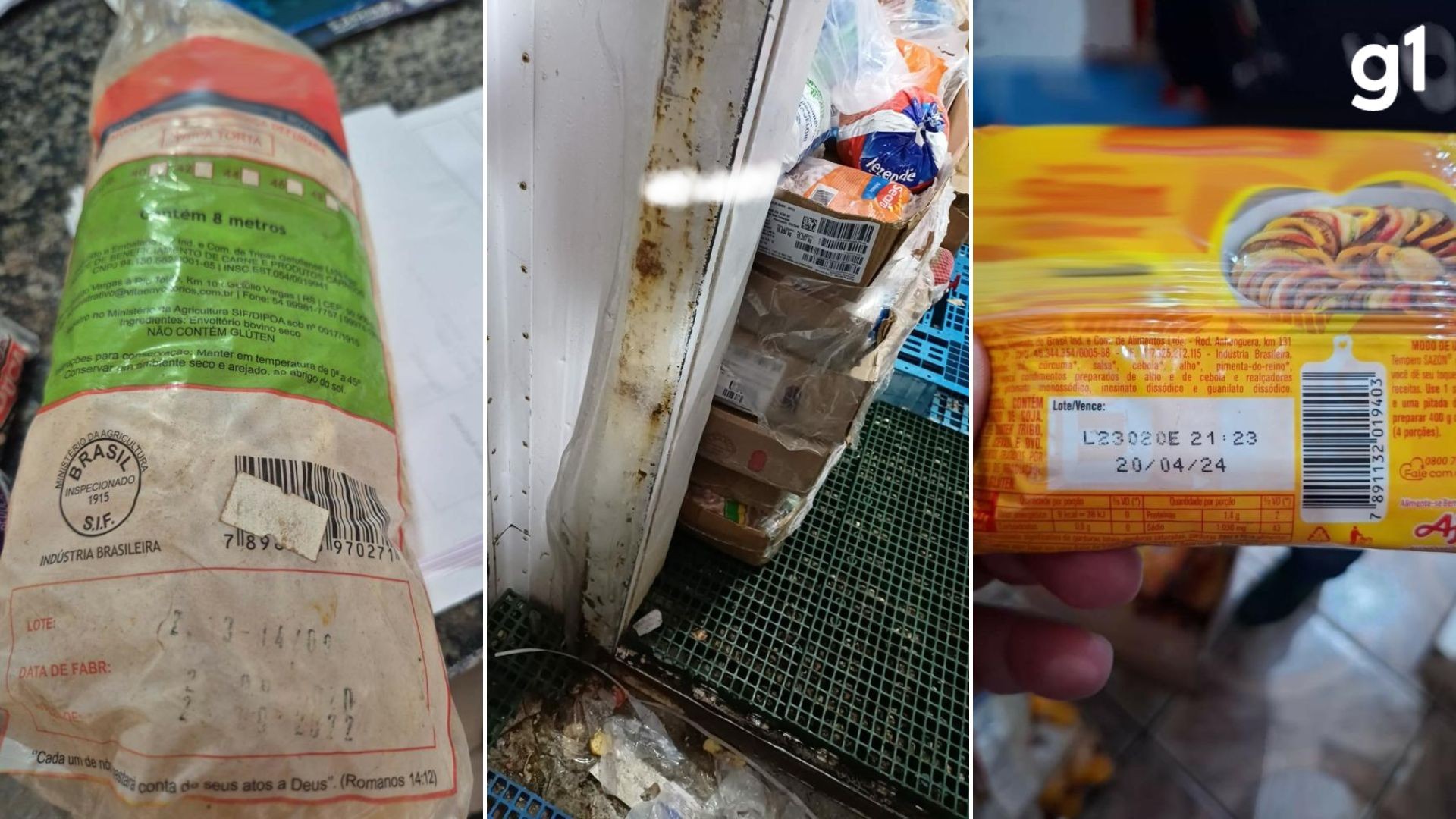
Authorities in Rio Grande do Sul, Brazil, have seized 2.2 tons of food deemed unfit for consumption. The operation, conducted by the Public Prosecutor's Office's Food Safety Program, targeted three markets and one butcher shop in the town of Constantina. All inspected establishments received official citations for various violations. During the inspection, officials discovered issues such as uncertified meat, improper storage and temperature controls, inadequate food handling, and products with expired sell-by dates. One market's cold storage unit was shut down due to severe hygiene deficiencies. Among the confiscated items were meat, fish, processed meats, eggs, dairy products, frozen foods, baked goods, and pizzas. Additionally, artisanal products like cachaça, cassava, wine, and cheese were seized, along with prohibited alcohol sales. Notably, packaging for processed meats dated four years prior and seasonings expired over two years ago were found. A portion of the seized meat was donated to the Passo Fundo Zoo after veterinary assessment. The operation involved prosecutors, specialized crime units, municipal and state health officials, the state's agriculture department, and environmental police.
This food safety operation highlights systemic challenges in regulatory oversight and enforcement within the retail food sector. The discovery of products with expired packaging dating back years suggests potential gaps in routine inspections or a failure to address persistent non-compliance. The involvement of multiple state and local agencies indicates a coordinated effort, but the scale of the seizure raises questions about the effectiveness of existing preventative measures. Moving forward, leveraging technology for real-time inventory and expiry tracking, alongside enhanced training for food handlers and more frequent, unannounced audits, could strengthen consumer protection. The long-term goal should be to foster a culture of proactive food safety compliance among businesses, rather than relying solely on reactive enforcement actions.
AI-generated to prompt reflection — not editorial opinion, not advice, not a statement of fact. How this works.