20 rescued in Bahia from slave-like conditions lacking water, sanitation, and adequate food
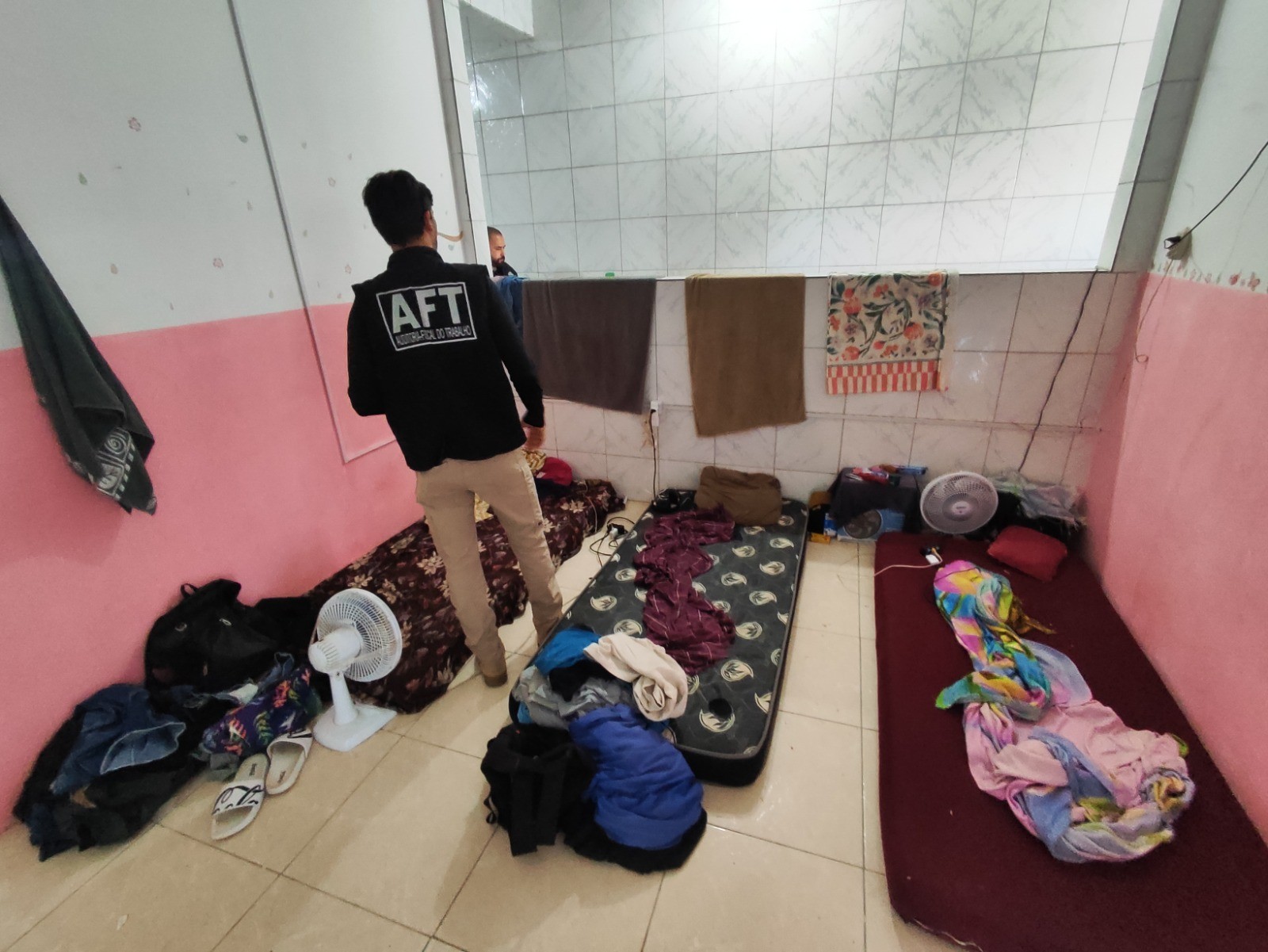
Twenty workers have been rescued from slave-like conditions in two cities in Bahia, Brazil, following inspections by the Labor Audit (AFT) of the Ministry of Labor and Employment (MTE). The rescued individuals were living and working in unsanitary environments, lacking access to potable water, proper sanitation facilities, and adequate food. In Casa Nova, 13 workers were rescued. They received only R$13.50 daily for food and worked from 7 AM to 6 PM without personal protective equipment (EPIs) or sanitation at their worksites. Their dormitories lacked beds, and 13 employees shared a single bathroom. Some were paid daily wages without guaranteed pay for illness or absence. The company involved signed a Conduct Adjustment Agreement (TAC) with the Public Prosecutor's Office (MPT), agreeing to pay R$219,600 in back pay and moral damages. In Sento Sé, seven workers were rescued from a paving and quarrying operation. Some were housed within the quarry itself in tent-like structures, with no sanitation or meal preparation areas. None of these workers had formal employment records and were paid solely based on production. The MTE has not yet specified if an agreement was reached with the company responsible for this site.
The rescue of these 20 workers highlights persistent systemic failures in labor oversight and enforcement within Brazil, particularly concerning vulnerable populations in remote or project-based work environments. The conditions described—lack of basic necessities like water, sanitation, and sufficient food, coupled with exploitative payment structures—suggest a breakdown in corporate accountability and regulatory compliance. Moving forward, a critical examination of auditing protocols and the speed of intervention is warranted to prevent such egregious exploitation. Future-proofing against such occurrences requires not only stricter penalties but also proactive technological solutions for real-time labor condition monitoring and transparent supply chain verification, especially as infrastructure projects often involve transient workforces.
AI-generated to prompt reflection — not editorial opinion, not advice, not a statement of fact. How this works.