20 Years of 'The Dream Nation': Violence Amidst Regional Democracy
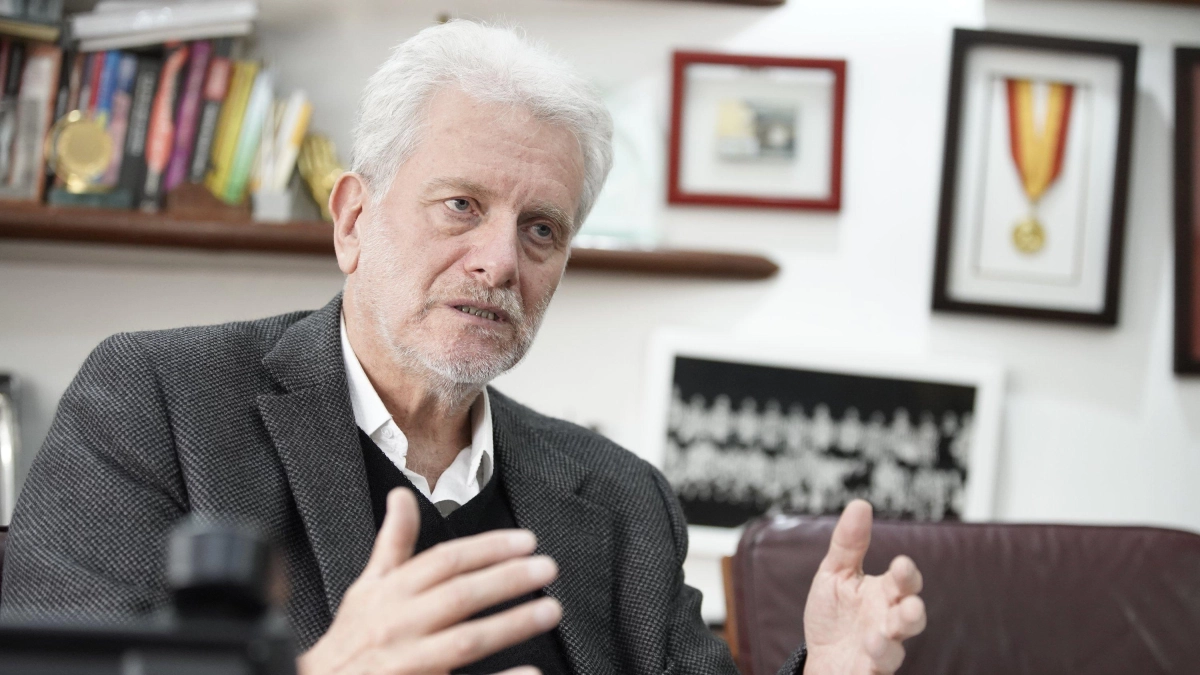
On the 20th anniversary of the publication of 'La nación soñada' (The Dream Nation) by Posada Carbó, the work prompts reflection on why one of the region's oldest democracies has coexisted with persistent violence. The book's re-examination comes as a new government takes office, suggesting a critical juncture for understanding the country's historical trajectory. Carbó's analysis delves into the complex relationship between democratic institutions and enduring conflict within the nation. The timing of this renewed focus highlights ongoing societal challenges and the need for deeper comprehension of their roots. The author's insights offer a framework for analyzing the paradox of established democracy alongside pervasive violence. This anniversary serves as an opportunity to revisit these critical questions and their implications for the future. The work encourages a critical look at the nation's past to inform present-day governance and policy. It underscores the enduring relevance of understanding historical factors that shape contemporary realities. The book's continued discussion signifies a societal desire to reconcile its democratic ideals with its lived experiences of conflict. This introspection is particularly pertinent with the advent of a new administration.
The enduring coexistence of a long-standing democracy with persistent violence in a nation presents a complex governance challenge. This situation may stem from historical institutional designs that, while establishing democratic frameworks, failed to adequately address underlying socio-economic disparities or historical grievances. The analysis of 'The Dream Nation' on its 20th anniversary, coinciding with a new government, suggests a societal imperative to re-evaluate the efficacy of existing democratic structures in mitigating conflict. Future policy considerations could focus on strengthening inclusive governance, addressing root causes of violence through targeted social and economic programs, and fostering reconciliation mechanisms. Understanding the interplay between democratic processes and conflict resolution will be crucial for long-term stability and national development in the coming decade.
AI-generated to prompt reflection — not editorial opinion, not advice, not a statement of fact. How this works.