20 Zeeland Wind Turbines Must Stop During Day After Sea Eagle Death
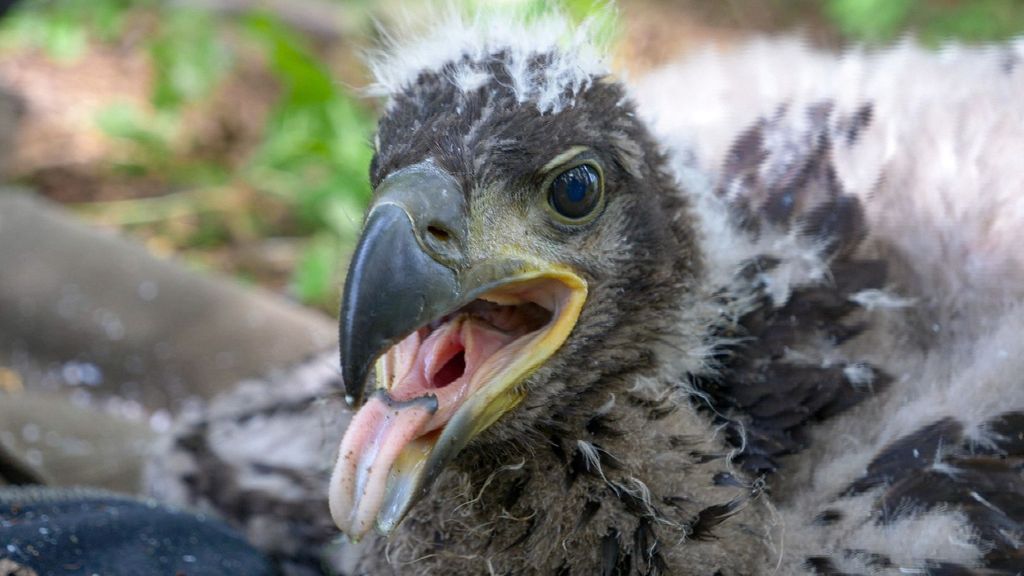
Twenty wind turbines near the Kreekraksluizen in Zeeland are prohibited from operating during daylight hours for the next few months. This provincial measure follows the death of a sea eagle in April, which collided with one of the turbine blades. This incident is not unprecedented, as a sea eagle was also killed by a wind turbine at the same location four years prior. Following the recent fatality, several nature organizations urged the province to enforce regulations. The environmental service RUD investigated and determined that the wind farm owners had failed to meet their duty of care for protected species. Consequently, twenty out of the thirty-three turbines must cease operation during the day, though they may continue running at night when the birds are not active. The wind farm owners are required to install a bird detection system within the coming months, according to BN De Stem. This system is designed to slow the blades within seconds if a sea eagle approaches. Environmental officials highlighted the risk posed to young sea eagles near Bergen op Zoom, who are about to fledge and will need to fly past the turbines to reach foraging areas. A forest ranger from Brabants Landschap expressed hope that this tragic event will lead to improved management of wind turbine operations to protect these birds. Sea eagles, absent from the Netherlands for decades, reappeared in 2006, and their population has steadily grown, with 45 breeding pairs recorded last year.
The incident highlights a recurring conflict between renewable energy infrastructure and protected wildlife, specifically the sea eagle population in the Netherlands. The provincial government's decision to halt turbine operations underscores the need for robust environmental impact assessments and mitigation strategies in wind farm development. The requirement for a bird detection system suggests a technological approach to managing this ecological risk. Future planning for wind energy projects will need to integrate advanced monitoring and adaptive management to minimize harm to vulnerable species, especially as populations like the sea eagle recover and expand their range. This situation prompts consideration of whether current regulatory frameworks adequately balance energy needs with biodiversity conservation goals, and how to incentivize proactive rather than reactive environmental stewardship from project developers.
AI-generated to prompt reflection — not editorial opinion, not advice, not a statement of fact. How this works.