200,000-Year-Old Skull Found in Spain Adds Complexity to Human Evolution
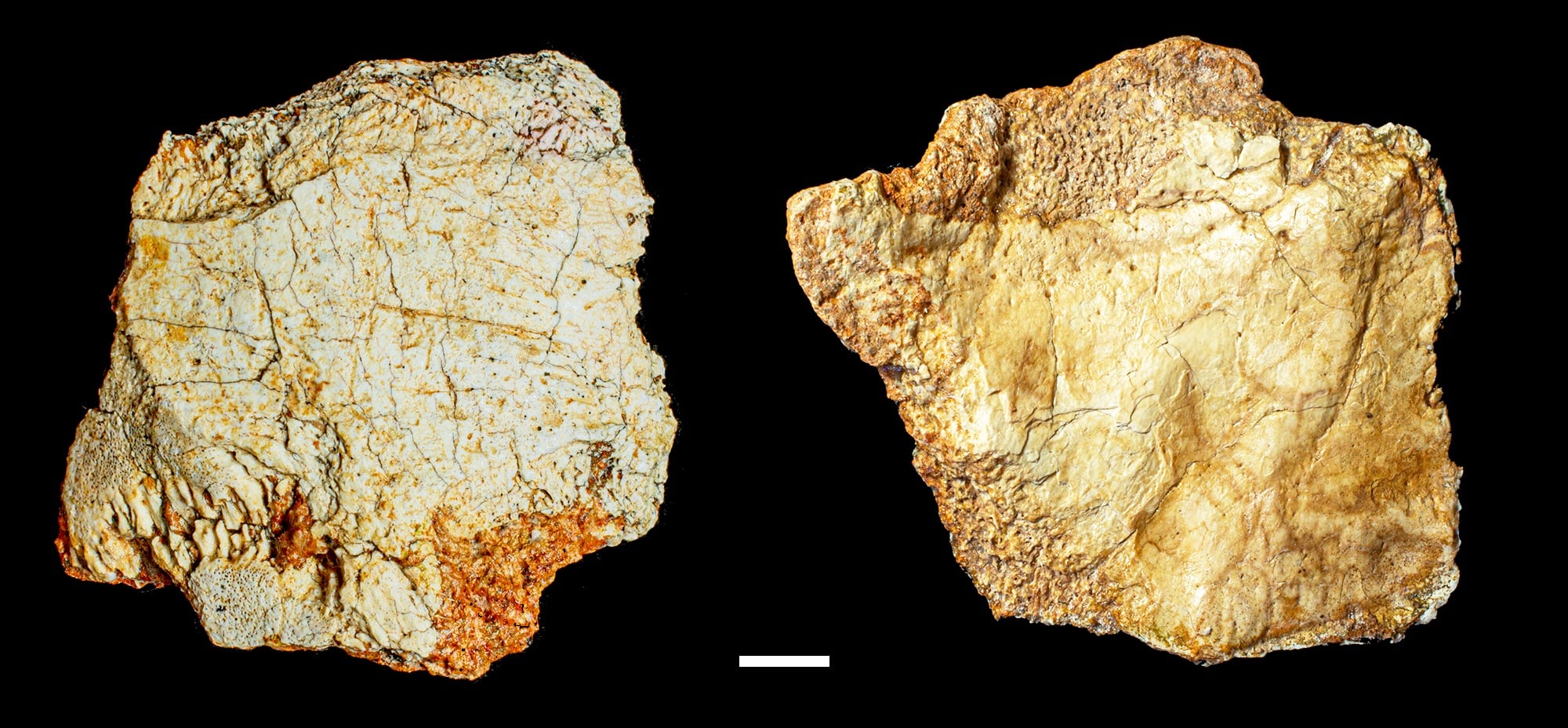
A 200,000-year-old skull discovered in Ciudad Real, Spain, is complicating the understanding of human evolution. The fossilized remains belong to an adolescent exhibiting ancestral features, adding to the already complex picture of the crucial period when Homo sapiens and Neanderthals emerged. This significant find places Ruidera among key paleontological sites, alongside the renowned Atapuerca.
The discovery of this 200,000-year-old fossil in Ruidera, Spain, underscores the ongoing challenges in reconstructing the human evolutionary timeline. Such findings highlight the mosaic nature of hominin development, where distinct traits may have appeared and disappeared across various populations. This complicates linear models of evolution and suggests a more intricate web of interbreeding and regional variations during the critical period of sapiens and Neanderthal divergence. Future research will likely focus on genetic analysis and comparative morphology to better understand the specimen's place within the broader hominin family tree and its implications for our understanding of early human dispersal and adaptation.
AI-generated to prompt reflection — not editorial opinion, not advice, not a statement of fact. How this works.