200 Illegal Interventions Against Historical Monuments Prevented in First Half of Year
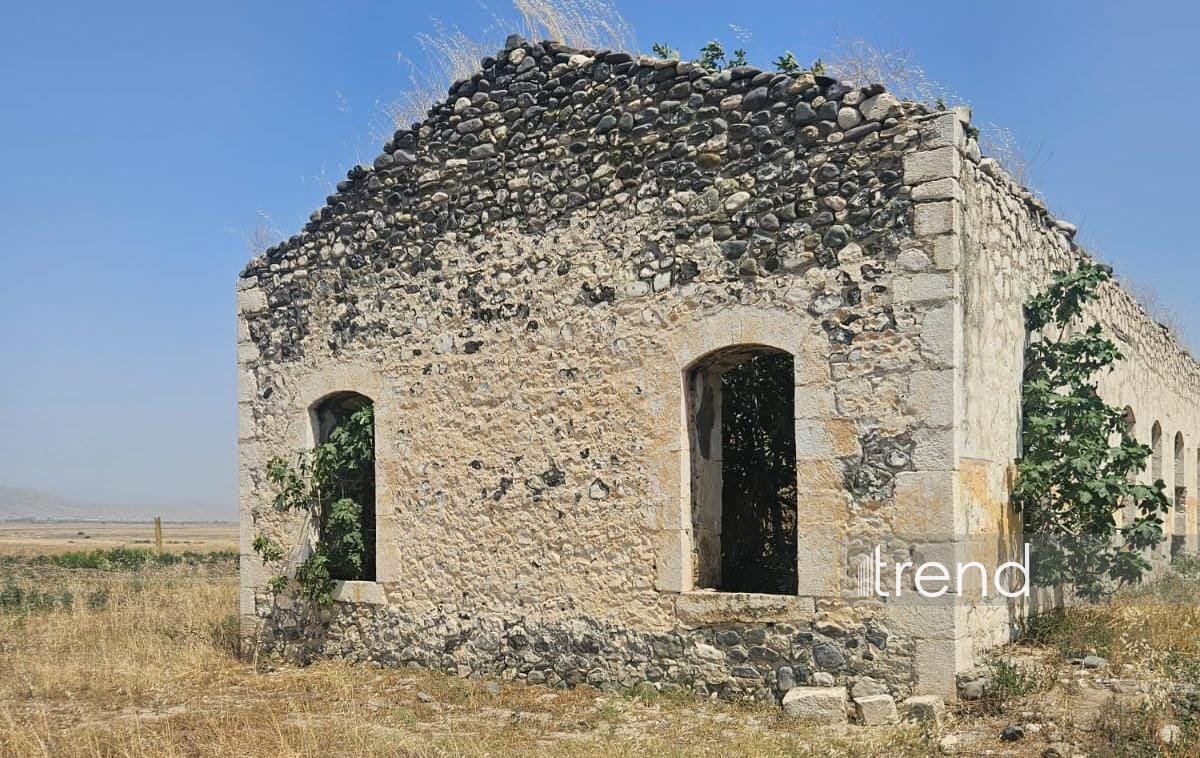
In the first half of the current year, authorities successfully prevented 200 instances of illegal interference with historical monuments. These actions represent attempts to unlawfully alter or damage sites of historical significance. The prevention of these interventions underscores efforts to preserve the nation's cultural heritage. Specific details regarding the nature of the illegal interventions or the locations targeted were not provided. However, the number indicates a consistent challenge in safeguarding these valuable sites. Further information on the enforcement measures and the types of monuments affected would offer a clearer picture of the situation. The successful intervention in these 200 cases highlights the vigilance of the responsible agencies. This proactive stance is crucial for maintaining the integrity of Afghanistan's historical landmarks for future generations. The ongoing efforts aim to deter future attempts at desecration or unauthorized modification.
The reported prevention of 200 illegal interventions against historical monuments in the first half of the year highlights a critical tension between heritage preservation and potential illicit activities. This figure suggests a persistent challenge in safeguarding cultural assets, possibly driven by factors such as economic pressures, lack of awareness, or organized efforts. The success in preventing these actions points to the operational capacity of the relevant authorities. Moving forward, understanding the specific motivations behind these interventions and the types of monuments most frequently targeted could inform more effective, long-term strategies. Future policy considerations might include enhanced public education campaigns, stricter enforcement mechanisms, and potentially leveraging technology for better surveillance and protection of these irreplaceable sites against the backdrop of evolving societal and economic landscapes.
AI-generated to prompt reflection — not editorial opinion, not advice, not a statement of fact. How this works.