200 Million Years Ago: Climate Warming Fueled Massive Fern Savannah Fires
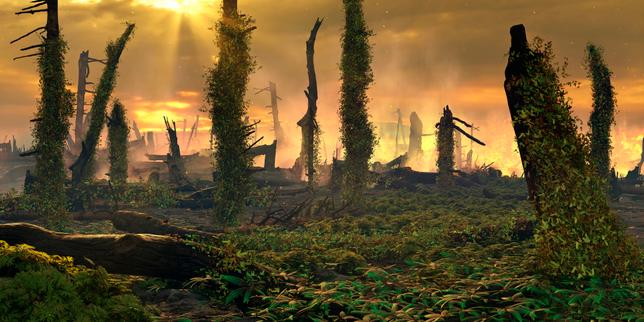
An international team of researchers has discovered evidence of enormous wildfires dating back to the late Triassic geological period. The findings are based on spores and pollen samples collected from various European countries. These ancient plant remnants indicate that significant fires occurred approximately 200 million years ago. The study suggests that a period of intense climate warming was the primary driver behind these widespread conflagrations. These fires specifically impacted fern savannas, transforming these ecosystems. The research provides a historical perspective on the devastating effects of climate change on vegetation and landscapes. It highlights the long-term relationship between elevated global temperatures and the frequency and intensity of wildfires. The discovery sheds light on the ecological conditions of the Triassic period, a critical time in Earth's history as it transitioned into the Jurassic period.
This discovery offers a historical lens on the impact of climate warming on terrestrial ecosystems, demonstrating that large-scale wildfires driven by elevated temperatures are not a recent phenomenon. The findings from the late Triassic period, approximately 200 million years ago, suggest that ancient fern savannas were highly susceptible to ignition and rapid spread of fires during periods of significant climate warming. Understanding these past ecological responses to warming can inform current climate models and predictions regarding vegetation resilience and fire risk in the Anthropocene. It prompts consideration of how current warming trends might similarly stress modern ecosystems, potentially leading to widespread environmental transformations and loss of biodiversity.
AI-generated to prompt reflection — not editorial opinion, not advice, not a statement of fact. How this works.