2024 Monsoon Uprising: An Incomplete Revolution, Not a Failure
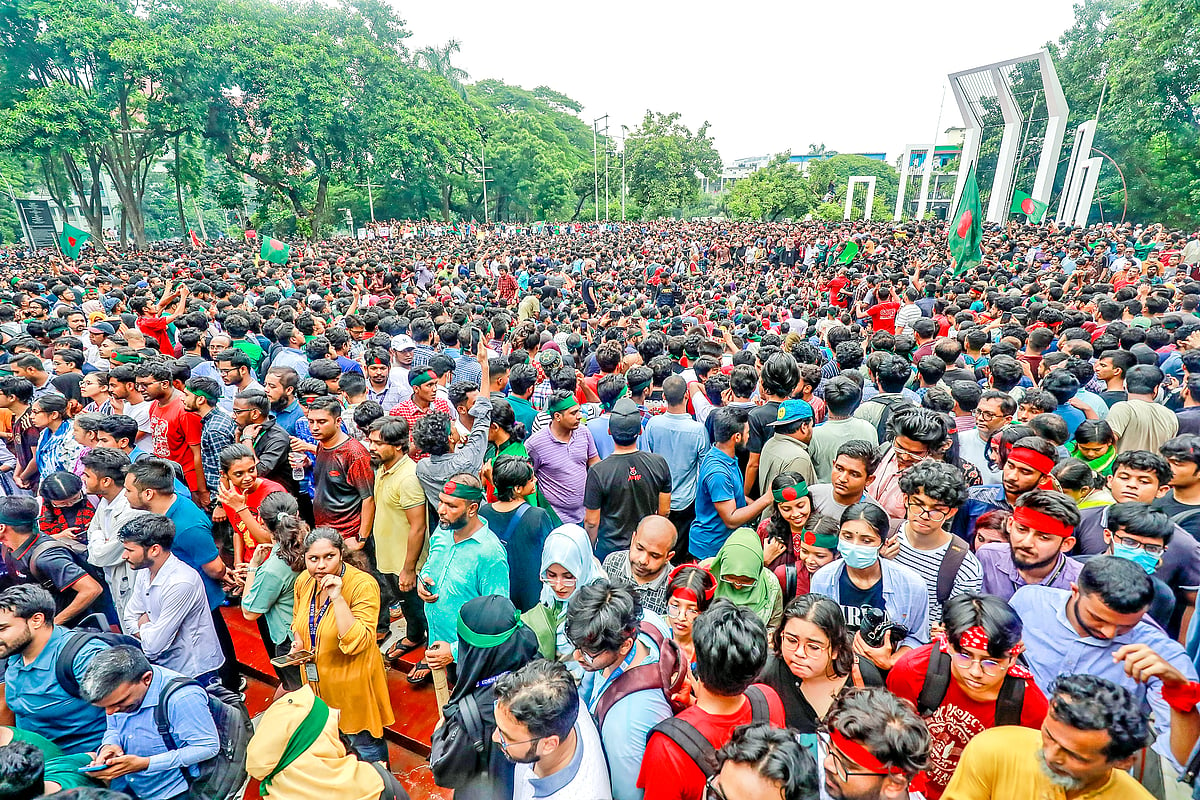
The interim government formed during the 2024 Monsoon Uprising is described as "old wine in a new bottle," failing to represent a genuine systemic change. The Gen-Z youth, who spearheaded this popular uprising, ultimately lent legitimacy to the existing system by becoming part of the interim government. This move suggests that the movement, while significant, did not achieve its revolutionary goals and remains incomplete. The participation of the youth leaders in the established government structure indicates a compromise that may have diluted the original objectives of the uprising. The core issue highlighted is the co-option of a movement for change into the very system it sought to reform. This outcome raises questions about the long-term effectiveness of such uprisings when their leaders are integrated into the existing power structures.
The 2024 Monsoon Uprising's outcome, characterized as an "incomplete revolution," warrants examination through the lens of political transition dynamics. The integration of Gen-Z leaders into an interim government, described as a continuation of the old system, presents a common challenge in post-protest governance. This scenario highlights the tension between revolutionary aspirations and the practicalities of statecraft, where established institutions can absorb and moderate nascent movements. Future political reforms may benefit from exploring alternative governance models that allow for sustained systemic change without compromising the initial impetus for reform. The long-term implications for democratic evolution in the region will depend on whether this interim arrangement fosters genuine policy shifts or merely perpetuates existing power structures under a new guise.
AI-generated to prompt reflection — not editorial opinion, not advice, not a statement of fact. How this works.