2026 Poised to Be a Landmark Year for Organ Transplants in Greece
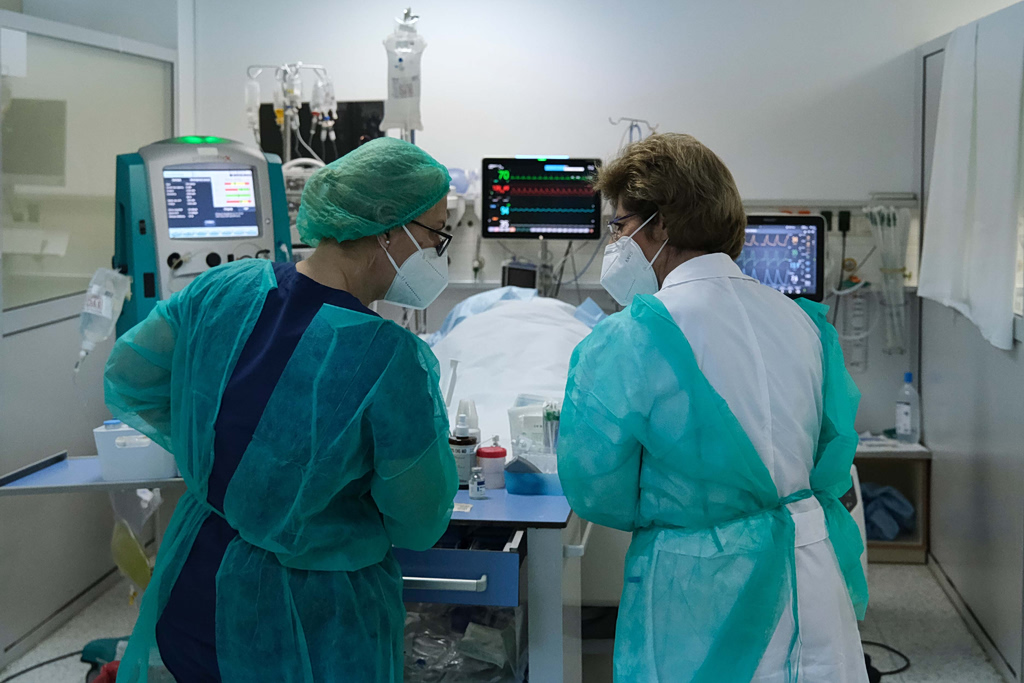
Greece is anticipating 2026 to be a significant year for organ transplants, as an increasing number of citizens are responding to calls from the state and scientific community. This growing public engagement is crucial for boosting organ donation rates. The initiative aims to increase the availability of organs for transplantation, thereby saving more lives and improving the quality of life for patients suffering from organ failure. The government and medical professionals are working collaboratively to streamline the transplant process and raise awareness about its importance. Efforts are focused on educating the public about the donation process and addressing common concerns or misconceptions. The ultimate goal is to build a robust organ donation and transplantation system that meets the needs of all patients requiring transplants within Greece. This proactive approach signifies a commitment to enhancing public health outcomes through organ donation.
The Greek government's focus on 2026 as a landmark year for organ transplants, driven by increased citizen response, highlights a critical public health objective. This initiative addresses potential systemic inefficiencies in organ procurement and allocation. By encouraging greater public participation, the state aims to leverage societal altruism to meet medical demand, potentially reducing reliance on international organ sources and improving national healthcare self-sufficiency. The success of this strategy will depend on sustained public trust, transparent allocation processes, and the continued integration of advanced medical technologies. Future challenges may include managing the ethical considerations of increased donation rates and ensuring equitable access to transplants for all eligible patients.
AI-generated to prompt reflection — not editorial opinion, not advice, not a statement of fact. How this works.