2026 World Cup: Adidas Leads in Jersey Sales, But Coffee Brand Surprises in Consumer Attention
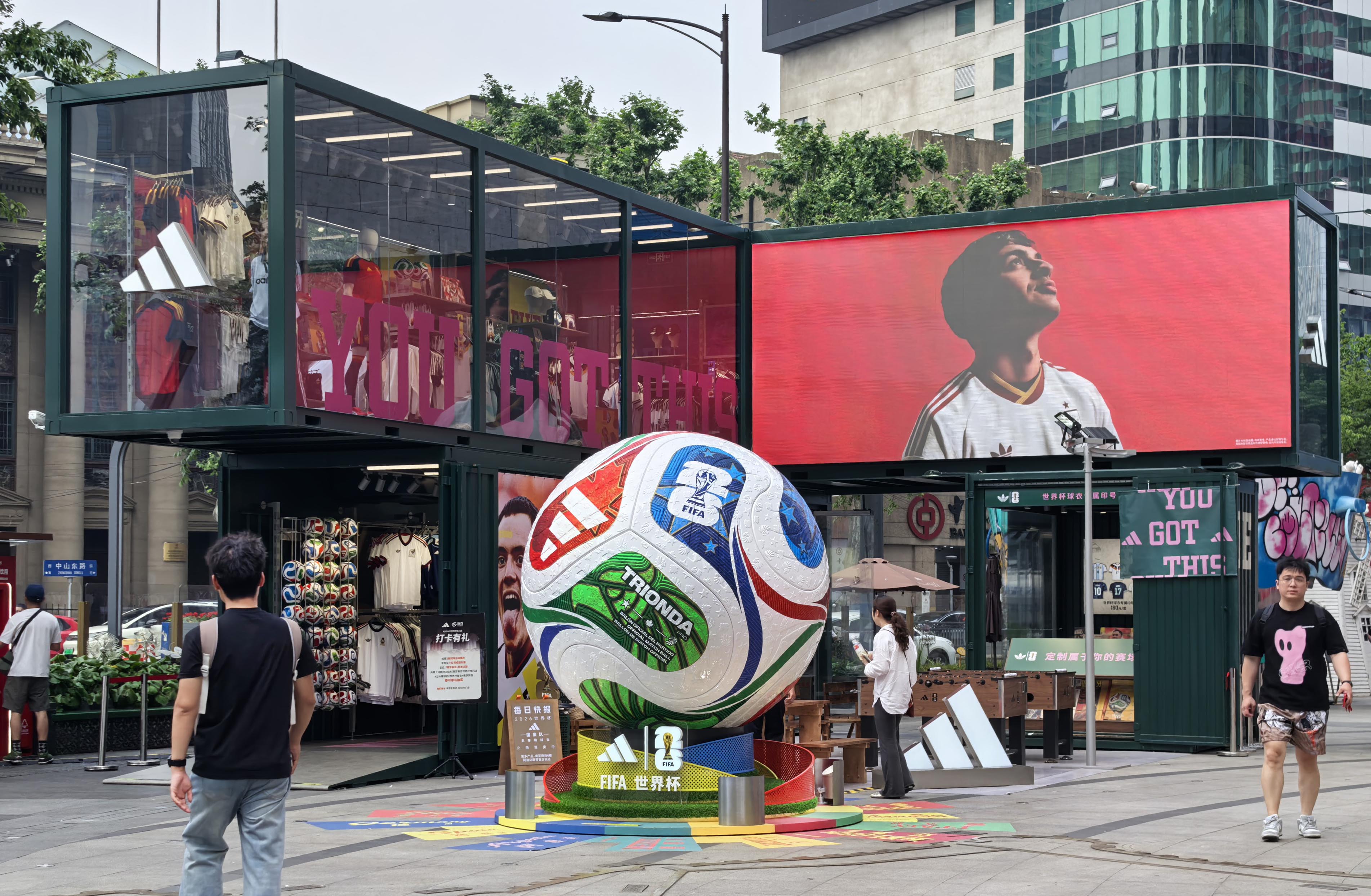
As the 2026 World Cup approaches, Adidas has taken a commercial lead, with its branding featured on the jerseys of finalists Spain and Argentina. The sportswear giant is estimated to have $5.2 billion at stake and has outperformed Nike in several key business metrics. However, despite Adidas's strong showing in sales and commercial advantage, consumer attention, purchase intent, and overall sales indicate a different set of winners.
Surprisingly, a brewing company and a coffee brand have captured significant public attention and demonstrated strong consumer preference. These brands, with Latin American roots, have managed to outshine even the major sportswear manufacturers in terms of public engagement and buying interest. This suggests that factors beyond traditional sports merchandise, such as cultural resonance and broader consumer appeal, are playing a crucial role in the tournament's commercial landscape.
The 2026 World Cup presents a dynamic commercial environment where traditional sportswear giants like Adidas and Nike compete for market share. Adidas's early lead in jersey visibility is a testament to its strategic partnerships with prominent national teams. However, the emergence of a Latin American coffee brand as a significant contender in consumer attention and purchase intent highlights a broader trend. This indicates that brand success is increasingly influenced by cultural connection and non-traditional product categories, potentially challenging the long-held dominance of sports-focused marketing. Future strategies may need to incorporate more diverse cultural touchpoints to capture evolving consumer loyalties in a globalized, digitally connected marketplace.
AI-generated to prompt reflection — not editorial opinion, not advice, not a statement of fact. How this works.