2026 World Cup Closing Ceremony: Schedule and Performers Announced
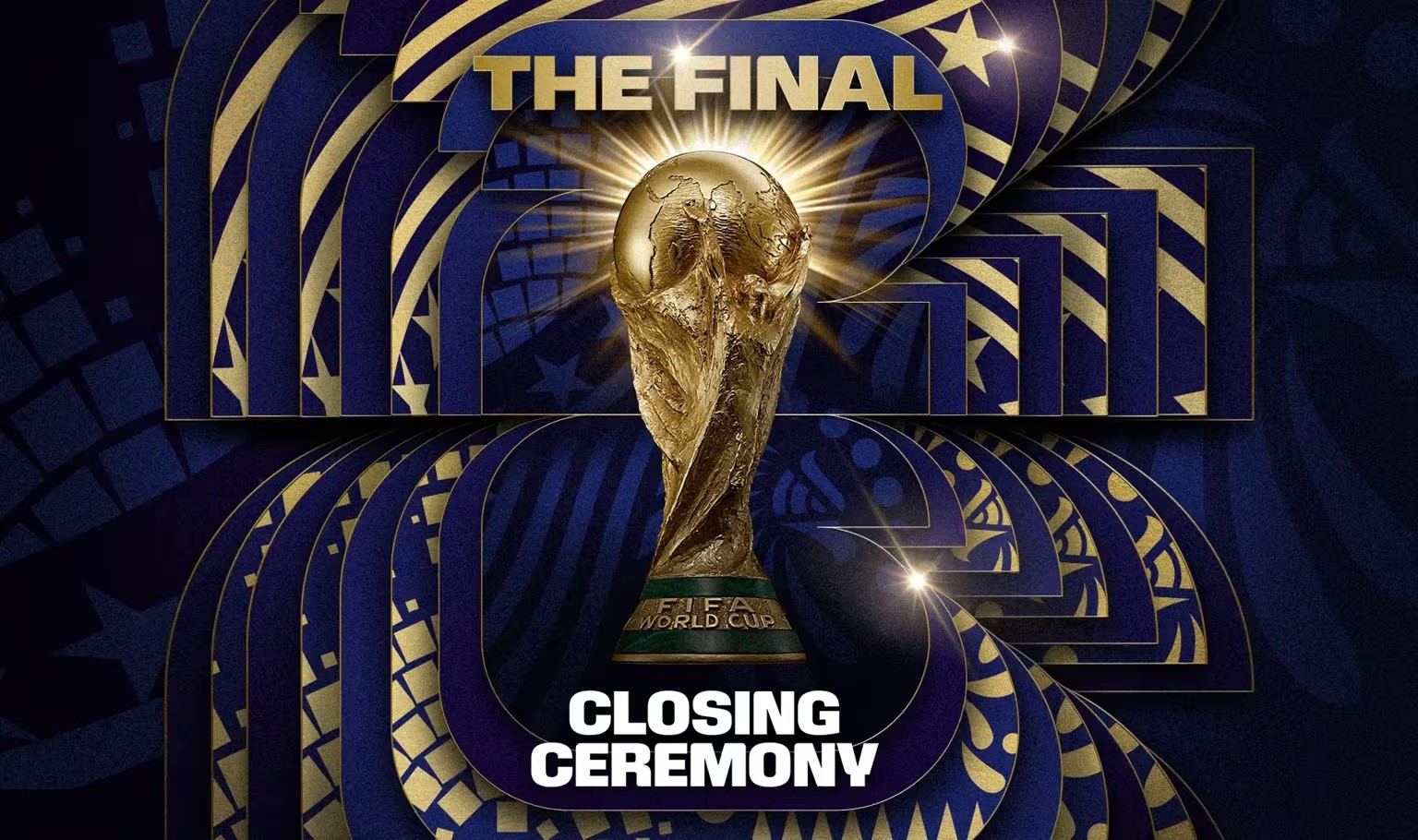
The 2026 FIFA World Cup will conclude on Sunday, July 19th, with a grand closing ceremony at the MetLife Stadium in New Jersey/New York, United States. The ceremony is scheduled to begin at 2:30 PM Brasília time, approximately one and a half hours before the final match between Spain and Argentina kicks off at 4:00 PM Brasília time. In addition to the pre-match festivities, a halftime show will also take place. The closing ceremony will feature performances by Laura Pausini, Nicole Scherzinger, Robbie Williams, and IShowSpeed, with a special appearance by Tom Cruise. The halftime show boasts a star-studded lineup including headliners Madonna, Shakira with Burna Boy, BTS, and Justin Bieber. Adding a classical touch, Venezuelan conductor Gustavo Dudamel will lead a combined orchestra of the New York Philharmonic and the Simón Bolívar Symphony Orchestra of Venezuela. The event will also include the PS22 choir with Coldplay, Ugandan dance group Ghetto Kids, and the Muppets. Viewers in Brazil can watch the ceremony and the final match live on Globo, ge tv, Sportv, SBT, NSports, and CazeTV, with real-time updates available on ge.globo.
The extensive lineup for the 2026 World Cup closing ceremony reflects a strategic effort by FIFA to maximize global viewership and engagement across diverse demographics. By blending established pop icons with emerging artists and cultural ensembles, FIFA aims to create a spectacle that resonates with a broad international audience, potentially enhancing brand value and future commercial opportunities. The inclusion of major Western and Asian music acts, alongside Latin American and African performers, underscores a globalized entertainment strategy. This approach, while aiming for inclusivity and broad appeal, also highlights the significant financial investment required to secure such talent, raising questions about resource allocation within global sports governance. The long-term impact will depend on how effectively this cultural programming translates into sustained fan loyalty and economic returns for the organization.
AI-generated to prompt reflection — not editorial opinion, not advice, not a statement of fact. How this works.