2026 World Cup: Deschamps' Legacy and Football's Short Memory
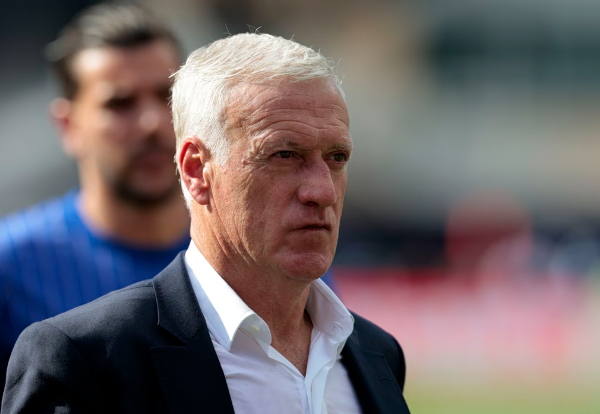
The 2026 World Cup is on the horizon, and the article reflects on the legacy of Didier Deschamps as the coach of the French national football team. It notes that football, and by extension its observers, often have short memories regarding past performances and criticisms. France had not lost a knockout match in the World Cup for 4,393 days, or 12 years, prior to July 14th. This impressive streak began after their loss on July 4th, 2014. Throughout this entire period, Didier Deschamps has been the head coach, guiding the team through significant tournaments. The upcoming World Cup will likely see continued scrutiny and expectations placed upon the team and its coach, regardless of past successes. The text implies that current performance often overshadows historical achievements in the public's perception. Deschamps' tenure has been marked by both triumphs and challenges, yet the narrative often resets with each major competition. The article suggests that the pressure and critical analysis are constant, irrespective of the long unbeaten run in knockout stages.
The narrative surrounding Didier Deschamps and the French national team highlights a common dynamic in professional sports, where immediate results often eclipse long-term achievements. This phenomenon can be attributed to the cyclical nature of major tournaments and the intense media focus on current form. While Deschamps has overseen a period of sustained success, including a World Cup victory in 2018 and a final appearance in 2022, the pressure to consistently perform at the highest level remains. The analysis suggests that the public and media's perception is frequently recalibrated by recent outcomes, creating a challenging environment for coaches and teams to maintain a consistent legacy. This dynamic underscores the inherent tension between celebrating historical performance and demanding future victories, a perpetual challenge in the high-stakes world of international football.
AI-generated to prompt reflection — not editorial opinion, not advice, not a statement of fact. How this works.