2026 World Cup: Expansion, VAR, and Politics Fuel Debate
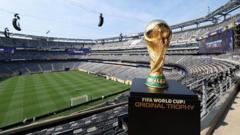
The 2026 FIFA World Cup, hosted by the United States, Canada, and Mexico, has concluded amidst significant controversy. The expanded 48-team format, coupled with issues like water breaks, VAR (Video Assistant Referee) decisions, and alleged political interference, dominated discussions throughout the tournament. Despite setting attendance records, the event received mixed reviews due to high ticket prices, inconsistencies in refereeing, and persistent concerns about political influence. These factors have led to a polarized reception of the competition.
The 2026 World Cup's expansion to 48 teams, while aiming to increase global participation and revenue, appears to have amplified existing challenges in tournament management and officiating. The introduction of water breaks, intended for player welfare in varied climates, may have disrupted game flow, while VAR's implementation continues to be a focal point for debate regarding consistency and fairness. Allegations of political interference, if substantiated, point to the complex interplay between sport, national interests, and international governance. Future FIFA events will need to rigorously address these structural issues to balance inclusivity with the integrity and quality of the competition, ensuring that commercial and political pressures do not overshadow athletic merit.
AI-generated to prompt reflection — not editorial opinion, not advice, not a statement of fact. How this works.