2026 World Cup: FIFA Decisions Undermine Already Stressed Referees
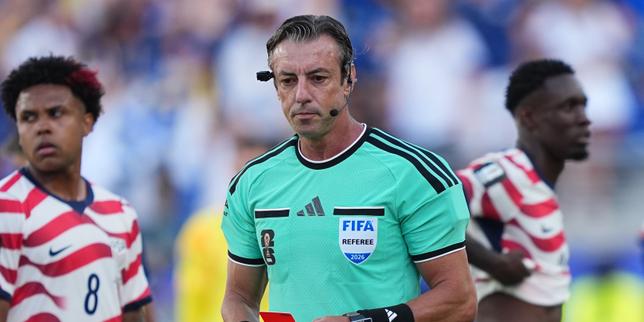
The refereeing body is facing significant challenges leading up to the 2026 World Cup, with recent decisions by FIFA reportedly undermining their authority and fueling suspicions of bias. One notable incident involved the "Balogun affair," though details are not provided in the source. Furthermore, FIFA's designation of an all-Argentinian officiating team for the France-Morocco match on Thursday has drawn criticism. These actions by FIFA are seen as destabilizing for referees who are already operating under immense pressure. The organization's choices are perceived as questioning the integrity and impartiality of the officiating process. This situation could have a detrimental impact on the morale and performance of referees as they prepare for future major tournaments.
The FIFA decisions highlighted in this report, particularly concerning referee assignments and handling of specific incidents, appear to create an environment of increased scrutiny and potential bias for officials. This can negatively impact referee performance and confidence, especially in high-stakes matches. The perception of impartiality is crucial for the legitimacy of any sporting competition. Moving forward, FIFA's governance structures should prioritize transparent and equitable decision-making processes for referee appointments and disciplinary actions to maintain trust and uphold the integrity of the game. The long-term implications of such perceived biases could affect the development and retention of referees globally, potentially impacting the quality of officiating in future tournaments.
AI-generated to prompt reflection — not editorial opinion, not advice, not a statement of fact. How this works.